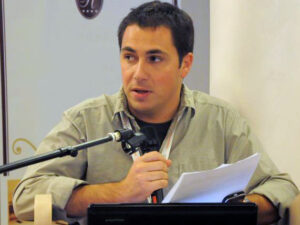
Mislav Kotarac, Zagreb, Croatia (June 2020)

Mislav Kotarac, Zagreb, Croatia (June 2020)

June 17, 2020 • • disabled comments

Mislav Kotarac, 41 years old, from Zagreb, studied law and went public in 2019 with allegations of widespread corruption and misconduct within Croatia’s Energy Efficiency and Environmental Protection Fund, a public agency that finances renewable energy and conservation projects. The Fund’s director retaliated against Kotarac by issuing a threat. Kotarac missed more than a year of work due to persistent threats. He is back at work at the Fund.
1 Molim Vas ako mozete predstaviti Vas slucaj.
Kao diplomirani pravnik profesionalno sam u skladu sa zakonima i pravilima struke godinama radio svoj posao u državnom fondu, koji rasplaže sa gotovo 2 milijarde kuna javnih novaca, namijenjenih ulaganjima u projekte zaštite okoliša, energetske učinkovitosti i gospodarenja otpadom. Tamo gdje se posluje sa energentima i otpadom (smećem) ogroman je novac u igri, a onda i velike mogućnosti korupcije, koje sam i sam bio svjedok, a kojoj cjelokupna hrvatska javnost, prvenstveno zahvaljujući zviždačima i istraživačkom novinarstvu i ovih dana svjedoči u Hrvatskoj.
Prepoznajući moj dotadašnji profesionalni rad, kao i zalaganje za pravdu, protivnu korupciji i nezakonitostima radnici Fonda, moje kolege predložile su me za nositelja liste skupine radnika na nadolazečim izborima za novo radničko vijeće. Kao nitko do tada, a Fond posluje od 2003. godine s velikom većinom radnici Fonda dali su krajem 2016. godine svoj glas za moju listu, a članovi radničkog vijeća jednoglasno su me imenovali za predsjednika tog istog vijeća.
Posao vijeća bio je na pozicijama uzajamnog poštivanja i uvažavanja u komunikaciji sa direktorom Fonda kao predstavnikom poslodavca raditi na zaštiti i unaprjeđenju radničkih prava i interesa, tada 300, a sada već skoro 400 radnika, koliko ih trenutno ima zaposlenih u Fondu. Kada je krajem 2017. godine za novog direktora fonda imenovan Dubravko Ponoš (stranka HNS), kao legalni i legitimni predstavnik radnika Fonda u nekoliko navrata pozivao sam istoga na sastanak kako bi se upoznao sa predstavnicima radnika i problemima koji tište nas radnike Fonda. Niti jednom u tih godinu dana direktor Ponoš nije našao za potrebitim upoznati se sa predstavnicima radnika Fonda. Tek kada sam ga što pismeno, što usmeno upoznao sa sumnjama u ozbiljne nepravilnosti koje su dovele fond u financijsku nelikvidnost (a što su dokazale i brojne revizije), koja je nelikvidnost pak dovela do narušavanja ugleda samog Fonda u javnosti, a što se reflektiralo i na položaj samih radnika Fonda, uvidio sam kako novi direktor neće poduzeti ništa po pitanju suočavanja sa nalogodavcima/izvršiteljima tih istih nepravilnosti. Ovdje govorimo o osnovanim sumnjama u malverzacije i nezakonitosti u raspolaganju javnim novcima koje se mjere štetom po porezne obveznike od nekoliko stotina milijuna kuna, a sa čijim je izvršiteljima i nalogodavcima direktor Ponoš nastavio tijesno i dalje surađivati, a u samom Fondu čak ih i nagrađivati višim funkcijama i raznim beneficijama. U prvom razgovoru odnosno kako se kasnije uspostavilo svom monologu direktor Ponoš dao je do znanja meni i mojim kolegama pravnicima kako će se za njegovog mandata odvijati situacija u Fondu.
Kada sam sukladno Zakonu o radu svim kolegama-radnicima koje predstavljam u Fondu e-mailom dostavio na uvid Izvješče o radu radničkog vijeća krajem kolovoza 2018. godine, a iz kojeg Izvješća se jasno moglo razaznati što Radničko vijeće poduzima u cilju zaštite njihovih prava i interesa, za same radnike Fonda, a što s druge strane direktor Fonda u praksi radi, ne samo na štetu financija i ugleda same institucije Fonda, nego i na štetu ugleda i časti svih nas radnika, koji i predstavljamo svojim radom isti taj Fond pozvan sam od strane direktora na razgovor u njegov ured.
Nevezano za činjenicu što sam predstavljao radnike fonda uz svekoliku njihovu podršku pred poslodavcem/direktorom, te što sam kao pravnik imao neupitnu podršku čelništva pravne struke u Fondu, ali i samog Fonda, kojega sam svo to vijeme zastupao na radionicama diljem Hrvatske pred gospodarstvenicima, a koje su radionice za gotovo 100 miljuna kuna povečale prihode Fonda, sama činjenica što sam iznašao sumnje u političku korupciju i kriminal dovele su do svakodnevnih pritisaka, diskriminacije, prijetnji, ne samo prema meni nego i prema drugim kolegama-profesionalcima u Fondu koji sa stanovišta struke nisu pristajali biti suizvršitelji sumnjivih milijunskih poslova s javnim novcima. Svi ti pritisci kulminirali su krajem kolivoza 2018. godine u uredu direktora gdje mi je isti zaprijetio da će mi doslovno odšarafiti glavu ako i dalje budem propitivao njegove postupke, da će me kao metak najuriti iz fonda, da mogu potražiti zaštitu unutar granica R.H. i i preko granice te da ću vidjeti kako ću završiti ako se ne pokorim njegovim traženjima. U izljevu bijesa, prijeteći mi, vulgarno me vrijeđajući, rekao ja posprdno da se za pomoć mogu slobodno obratiti i državom odvjetništvu, ustavnom sudu i premijeru, što sam i učinio.
No kada je direktor Fonda osobno izašao u javnost sa dokazima prijetnji prema meni kao zastupniku radnika Fonda, a koji su dokazi bili tajno dani organima pravne države na postupanje uz kaznene prijave, izvrčući klevetama i konstrukcijama činjenice, proglasivši mene i moje kolege, koji smo ukazivali na koruptivne postupke neradnicima i ucjenjivačima, više nije bilo prostora ministru koji ga je svo vrijeme štitio da zatraži njegovu smjenu budući je stvar postala javna, a čak ga je direktor javno i prozvao da je tajnu snimku prijetnji dobio iz ureda ministra, gdje ista nikako nije mogla niti smjela biti.
Sa događanjima u Fondu bili su na vrijeme upoznati kako inozemni tako i domaći mediji, policija, nadležni ministar, premijer, predsjednica države, pučka pravobraniteljica, antikorupcijsko vijeće hrvatskog sabora, povjerenstvo za sprječavanje sukoba interesa, udruge za mobbing, no sve se nažalost predugo zataškavalo od strane vlasti dok stvar nije postala javna putem medijskih konferencija nasilnog i osnovano se sumnja korumpiranog direktora Fonda.

2. Bilo Vam je jako tesko – dugo vreme niste ni radili. Koje ste se probleme doziveli u tom periodu?
Uslijed svih tih pritisaka i prijetnji po ugrozu mi života čovjeku se kao pojedincu nije lako nositi, naročito kada si gotovo sam u borbi protiv korumpirane moćne političke oligarhije. Gotovo sve kolege počinju ’’skrivati’’ se od tebe kao od gubavca jer se razumljivo mi boje za sebe i svoje obitelji, za svoju djecu, opterečeni kreditima, da ne daj bože izgube posao o kojemu ovisi njihova egzistencija. Daju ti podršku plašljivo sa strane, znaju da si u pravu, ali istovremeno znaju da ih ista sudbina javnog linča lažima i klevetama, prijetnji, progona može zadesiti, ako otvoreno pred korumpiranim nasilnicima koji odlučuju o tvojoj egzistenciji pokažu da si na strani onoga koji se bori za pravedno i moralno postupanje te poštivanje zakona, a što prokazani, koji odlučuju o tvojoj sudbini svakodnevno krše. Zbog učestalih napada panike u strahu od ozbiljnih prijetnji iskazanih mi od ljudu najbližih vrhu vlasti, gdje isti direktno i/ili indirektno podižu lažne kaznene prijave protiv Vas, šalju u nekoliko navrata policiju na vrata ne Vašeg doma, nego domova Vaših najbližih kako bi nas zastrašili, ušutkali nas, završio sam na bolovanju gotovo 15 mjeseci gdje sam sa drugim žrtvama nasilja i stresa (među inima i mnogim tzv. zviždačima) sudjelovao uz profesionalnu pomoć zdravstvenih stručnjaka na grupnim i individualnim psihološkim terapijama.
Trajna posljedica po moje zdravlje koja je uslijed stresa uzrokovanih konstantnim pritiscima i prijetnjama bila je ta što sam završio na tabletama/terapiji za visoki tlak, a s vremena na vrijeme bilo je potrebno korisitit i sredstva za smirenje i spavanje.

3. Doziveli ste i pretnje smrcu. Kako su reagirali policija i sudstvo? Koja Vam je zastita pruzena?
Najveću podršku uslijed svog tog pakla imao sam od najbližih u familiji i da nije bilo njih ne bi izdržao sam proći kroz sva zla koja su mi servisirali vlastodršci na čiji kriminal, korupciju i nasilje sam u kontinuitet ukazivao kako nadležnima unutar poslodavca, tako i nadležnim organima u državi. Nažalost moje iskustvo mi govori, kao i iskustvo ogromne večine, gotovo svih zviždača u Hrvatskoj da unatoč na papiru proklamirane zaštite zviždača i sankcioniranja političke korupcije ista stvar je potpuno supratna, što se istoga tiče u praksi. Institucije države koje bi trebale štititi nas zviždače, koji zviždimo o korupciji i nasilju, što cijeloj naciji donosi samo dobro, da se nadležni pozabave sa onima za koje se sumnja da su nositelji tog raka društva – korupcije, umjesto da nas zaštite od korumpiranih i nasilnika, njih nagrađuju, a nas progone i prepuste ‘’sudbini’’. Svi koji su bili suradnici direktora Fonda i njegovi nalogodavci ne samo da su i dalje na visokim pozicijama negó su u međuvremenu još više i napredovali u sustavu. Povodom mojih iskaza da mi se prijeti smrću od strane direktora Fonda, danih kako odgovornima unutar Fonda, tako i novinarima u medijima nitko od državnih organa, kojima sam se kasnije i direktno javio nije reagirao po službenoj dužnosti u smislu postupanja protiv nasilnog direktora, no vrlo su brzo postupali protiv mene povodom neosnovanih kaznenih prijava, koje je taj isti nasilnik sam ili posredstvom svojih podobnika u sustavu podnosio istim tim organima, koji bi trebali biti od pomoći zviždačima/žrtvama nasilja-prijetnji, a ne njihovim progoniteljima i to ni manje ni više negó na inicijativu osnovano se sumnja korumpiranog nasilnika, kojemu je podršku osnovano se sumnja davao sam vrh državne politike, pod ćijim su političkim utjecajem sasvim je očito i ti isti organi represivnog aparata države.

4. Sada ponovo radite. Kako Vas vide kolege? Ima li nekih reakcija?
Sada kada sam se vratio na posao na istom radnom mjestu nastavljam sa profesionalnim obavljanjem zadataka svog pravničkog posla sukladno zakonu i pravilima struke uz podršku vrha pravne struke koja je svo vrijeme bila do sada neupitna, kao i mnogih mojih kolega. Postoje 3 vrste ljudi-kolega, oni koji vam otvoreno iskazuju podršku i svakodnevno sa Vama surađuju, zatim oni koji u strahu poskrivečki to čine te oni koji su dio koruptivne hobotnice i koji Vam nemaju hrabrosti se niti obratiti, negó prođu pored Vas kao pored turskog groblja ne mogavši Vas uopće pogledati u oči od srama jer znaju da ste u pravu, da su činjenice i dokazi na Vašoj strani. Nažalost takvih je politika podosta uhljebila u javne službe, a sve kako bi poslušno služili njihovim interesima, a ne javnom interesu svih građana, štiteći svoje radno mjesto i beneficije do kojih su došli nemoralnim, nepotističkim putem. Kako je u međuvremenu oformljeno novo radničko vijeće u Fondu, skrpano od predstavnika politike, a ne predstavnika radnika Fonda, kupljenih raznim beneficijama, nisam više u poziciji direktnog kontakta prema novom direktoru Fonda, što i nije loše obzirom da je svima jasno kako završe oni koji ukazuju na kriminal i korupciju te stanu u zaštitu radnika, a ne te iste politike. Uz obavljanje tekućih poslova radnog mjesta mentoriram nove kolege pravnike, a oni koji su za direktora Ponoša diskriminirali i zlostavljali me premiješteni su u nove službe.

5. Koje je trenutno stanje sa Vasim slucajem?
Postupci su u tijeku pred nadležnim organima države. Nažalost u Hrvatskoj ništa kako nam desetljeća u nazad dokazuju neće se doticati onih kojih se sumnja u nasilje i korupciju dok god su dio vrha vlasti, budući je u Hrvatskoj po mišljenju struke i niza aktera društvene scene vladajuća politika ta koja diktira tempo istražnih i sudskih postupaka. Po posljednjem istraživanju rađenom na razini EU-a 97 % građana Hrvatske smatra da je u Hrvatskoj korupcija iznimno raširena, a posljedica toga je i činjenica da smo po službenim podacima konkurentnosti za investicije na samom dnu ljestvice svih ispitivanih zemalja u svijetu. Odlazak stotina tisuća mladih iz Hrvatske u inozemstvo ne toliko zbog visine primanja, nego upravo zbog raširenosti političke korupcije i nepotizma od dna do vrha u svim porama društva glavni je pokazatelj krivog smjera kojim nas vladajući vode u ponor u svakom pogledu te rijeći, a ne u bolju budućnost, kako nas ovim dana u predizbornoj kampanji obmanjuju.

6. Koliko su mediji pomogli u Vasem slucaju? Istrazivacki novinari?
Nažalost u Hrvatskoj po kazivanju inozemnih novinara s kojima sam bio u kontaktu, a neke od njih i Vi znate u Hrvatskoj nema po njihovom mišljenju osobe od povjerenja među novinarima i pravnim stručnjacima, na koje bi Vas oni uputili kao žrtvu nasilja/zviždača za pomoć. To Vam sve govori u kakvom iskvarenom društvu iskrivljenih vrijednosti živimo. Naravno ima i časnih primjera u novinarstvu, naročito među istraživačkim novinarima, koji objektivno iznose priče u javnost, no tragedija je da državna tijela ne propituju ili jako sporo propituju tj. istražuju sumnje koje zviždači iznose o korupciji novinarima. Toliko je kriminala i korupcije tako da jedna novinarska priča vrlo često bez reakcije organa države već sutradan padne u zaborav objavom nove koruptivne priče i tako iz dana u dan iz godine u godinu bez većih i bržih pomaka prema boljemu. Zviždači i novinari su u Hrvatskoj preuzeli ulogu države u prokazivanju korupcije i to sve govori o stanju u nas.
Kakvo nepovjerenje vlada već godinama u Hrvatskoj u vlast i politiku govori činjenica da zviždači i žrtve nasilja prije svega odluče se iznositi svoja saznanja o korupciji i nasilju novinarima, a ne organima države koji bi im tobože trebali biti od pomoći, kao žrtvama nasilja/zviždačima, a praksa je i meni dokazala da tome nije tako, budući je cjelokupni sutav pod debelim utjecajem politike-nositelja korupcije i nasilja, na koje žrtve nasilja/zviždači ukazuju preko novinara javnosti. Vrlo često se dogodi da su neki od novinara, pa i odvjetnici i liječnici kojima se na početku svoje kalvarije obratite za pomoć zapravo od strane tih istih korumpiranih nasilnika iz politike i postavljeni na te pozicije, kako bi preko njih iz prve ruke i saznali kojim informacijama i dokazima raspolažete protiv njih samih. Na taj način već u prvom koraku Vas unište u korjenu. Najviši politički funkcioneri prijete javnim službenicima da ne izlaze s informacijama o korupciji kojoj su svjedočili u javnost jer će ih zateči najgore što ni sami ne mogu zamisliti. Osobno sam tim prijetnjama, kao i moje kolege bio u više navarat svjedok što izravno što neizravno upućenih.

7. Koliko je politika uticala na Vas slucaj? Da li je postajala politicka volja i podrska u resavanju Vaseg slucaja?
Samo par političkih aktera iz sabora, točnije antikorupcijskog vijeća sabora gdje opozicija ima večinu nad vladajučima postavilo je javno pitanje premijeru i ministru što poduzimaju po pitanju korupcije i nasilja na koje se ukazuje već poduže vrijeme u Fondu. Nažalost do dana današnjega, a prošlo je i više od godine dana politika koja je uhvačena sa prstima u pekmezu nije dala odgovor na zastupničko pitanje, na koje je obvezna odgovoriti u roku od 30 dana. Nažalost politika je utjecala na to da se liječnika, doktora psihijatrije Ante Leskura koji je u gradu Zagrebu, ali i i šire u Hrvatskoj bio glavna pomoć sa psiho-zdravstvenog aspekta žrtvama nasilja/mobbinga (među kojima su u pravilu i tzv. Zviždači) pošalje u mirovinu i time ga se onemogući u daljnjem pružanju pomoći potrebitima. Koliko daleko politika ide dokaz je i činjenica da su upravo preko odvjetnika osuđenog za korupciju bivšeg premijera Sanadera podigli tužbu protiv doktora, kako bi ga javno difamirali jer je pazite isti okaljao čast, ugled i dostojanstvo čelnih ljudi iz jedne javne ustanove, kojima se obratio nakon što je značajan broj zaposlenika te iste ustanove – žrtava nasilja/mobbinga obratilo mu se za stručnu pomoć.

8. Kako vidite generalno polozaj zvizdaca u Hrvatskoj, a na osnovu Vaseg slucaja?
Položaj zviždača u Hrvatskoj je katastrofalan, u 99 % slučajeva osuđeni su na propast- daju im se nezakoniti otkazi, prijeti im se, ucjenjuje, progoni, zastrašuje, pokreću se dugotrajni lažni postupci protiv njih pred policijom i sudovima, a sve kako bi ih se financijski, moralno i psihički uništilo, što ne tako rijetko dovodi i do raspada obitelji, socijalnog života, ali i samoubojstava. Iz svega prethodno iznesenoga, sasvim Vam jasno može biti zašto je tome tako. Zakon o zaštiti prijavitelja nepravilnosti donesen je 01.07.219. godine no u praksi on je mrtvo slovo na papiru. Kada se za osobe za prijavu im nepravilnosti u radnim jedinicama imenuje upravo one ljude (kao i u mome slučaju) koji su direktno i/ili indirektno povezani sa korupcijom i nasiljem prema zviždačima te kada na razini države tijela kojima bi se zviždači trebali obratiti za pomoć, ne samo da im ne pomažu negó se postupci okrenu pod utjecajem sveprisutne politike u cilju progona žrtava nasilja/zviždača protiv njih samih, a korupcija o kojoj mi zviždimo se zataška i ne sankcionira jasno Vam je u kakvom su položaju zviždači u Hrvatskoj.

All information and reference, which are contained in this webpage, were compiled after best knowledge and examined with greatest possible care. This disclaimer informs readers / users of the web and information that the views, thoughts, and opinions expressed in an interview by the interview partner or in a statement by the author belong solely to the interview partner / author and do not necessarily reflect the official policy or position of the South East Europe Media Organisation (SEEMO) Assumptions made within an interview-analysis are not reflective of the position of SEEMO. The visitors / users of the SEEMO webpage should take all steps necessary to ascertain that information you receive from SEEMO is correct. We ask every user to check references, double-check information from additional independent sources. SEEMO assumes no responsibility or liability for any errors or omissions, or for the results obtained from the use of information published on the SEEMO website / SEEMO partners website.
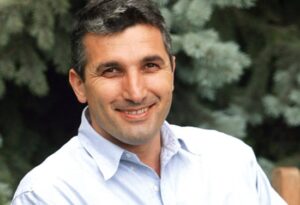
SEEMO INTERVIEW WITH NEDIM ŞENER

June 12, 2020 • • disabled comments

Nedim Şener is a journalist for dailies Milliyet and Posta. In 2009 he published a book on the 2007 murder of journalist Hrant Dink. In The Dink Murder and Intelligence Lies, he alleged that the police officers responsible for the Ergenekon investigation were behind the murder. In 2011, he was arrested and charged with collaboration with Ergenekon network. The Ergenekon network is, according to officials, a secularist ultra-nationalist organization with possible ties to members of Turkey’s military-security groups. Nearly 300 persons have been formally charged with membership of what prosecutors described ‘the Ergenekon terrorist organization’. Şener was released in March 2012 pending trial.


SEEMO: How you see the press freedom situation in Turkey in the year 2015?
Nedim Şener:
While speaking at the Ambassadors’ Conference on Jan. 6, President Erdoğan said ‘I’m talking assertively: Neither in Europe nor in other countries is the media as free as the Turkish press’. Moments afterward, we learned that Diyarbakır-based Dutch journalist Frederike Geerding was detained by police at her home with allegations that she was ‘engaging in propaganda for a terrorist organization’. This is the clearest picture for freedom of the press in Turkey. The rough practice of the Anti-Terror Law turns the press freedom issue in Turkey into an ever-deeper problem of free speech at all levels for the society. Before the rise of new media, we were talking about press freedom issues. As more members of the society become able to participate in the practice of free speech through Twitter, Facebook and other social media platforms, now we see more examples of legal pressure. A tweet can send you in front of a prosecutor, and it is now seen as normal to be put on trial due to such causes. These are manifestations of a society of fear, which is created by the ruling Justice and Development Party that received a strong electoral backing.

SEEMO: How important is for you the support SEEMO and other international human rights and press freedom organisations gave you?
Nedim Şener:
The book that I wrote in prison was titled The Truth Cannot Be Jailed. I resisted all the injustice and difficulties by the power of writing. It made me stronger toward myself. Meanwhile, the support of my colleagues in Turkey and international organizations kept my hope alive. The prison taught me the importance of telling the truth to the public at all costs, as well as the honour of resistance and solidarity.

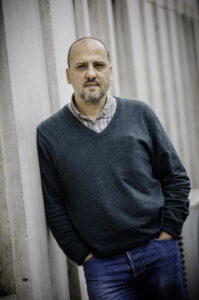
SEEMO INTERVIEW WITH AHMET ŞIK

June 12, 2020 • • disabled comments

Ahmet Şık is a Turkish investigative journalist and the author of several books. He wrote The Imam’s Army on the life, work, and political movement of Fethullah Gülen. Şık was detained in March 2011, and the draft book was banned in Turkey as an ‘illegal organizational document’ of the secret organization. The text of the book was posted online in response to Şık’s arrest on 1 April 2011. A version of the book was released in November 2011 under the name 000Kitap, edited by 125 journalists, activists and academics, and published by Postacı Publishing House. In 2011 Şık was charged with support of an armed organization. On 12 March 2012 the Istanbul High Criminal Court ordered his release pending trial.


SEEMO:How you see the press freedom situation in Turkey at the beginning of 2015?
Ahmet Şık:
We cannot talk about an improvement in Turkey’s press freedom situation right now. If there is any ‘improvement,’ it is in the number of jailed journalists. However, I believe that they released these journalists, whose number once exceeded 100, to avoid increasing international pressure. This is not an improvement for press freedom at all. Scores of legal cases recently filed against journalists in Turkey show that the government has no intention to improve the press freedom situation. This is the legal aspect of the issue.

There is another side, which is the pressure that political authorities exerted on media. The culprit of this pressure is not only the government, but particularly the media owners. Media outlets that the government direct control on one side, those mainstream ones that are relatively ‘independent’ have a government representative in their newsroom for each. This brings about censorship and self-censorship. Debate programs aired live on television are a good example of this phenomenon at work, as these shows over-represent pro-government pundits while under-representing critical voices. This is the worst era in the history of the Turkish media and I believe that it will further worsen, as the government has already taken steps to have a tighter control of both the media and the judiciary though new laws. Those include a law about Turkey’s Supreme Board of Judges and Prosecutors (HSYK), as well as the Internet law, while using its fight against the Gülen community as a pretext. When you think about the issue in a holistic way, it is not possible to be optimistic about the future of the press freedom in Turkey.

SEEMO:You have been arrested and spent a time in jail. Did this experience change your life?
Ahmet Şık:
Neither my arrest nor the recent wave of arrests of journalists changed my mind. I am where I was in the past. I still oppose it if anyone is prosecuted for his or her journalist activities. Even when journalism is abused by some circles, it should not be a reason to be jailed. People have the right to report, and also the right to object to what is reported. Unfortunately, one fact does not change in Turkish media, which has a history of almost 200 years. When the Ottoman daily Takvim-i Vekayi was established in the 19th century, its owners could get an official permission only conditionally, by vowing to not challenge the ‘great interests of the state’. Similarly, today’s media organizations in Turkey do not challenge the great interests of power groups. Those who dared to challenge them were killed in the 1990s. Now they stopped killing them, but instead, they either arrest them or convict them to unemployment and hunger.

SEEMO INTERVIEW WITH ANUŠKA DELIČ

June 12, 2020 • • disabled comments

SEEMO:Can you please tell us about your case?
Anuška Delič:
In the summer of 2012, the Slovenian Intelligence and Security Agency filed charges against me and an unknown employee of the Agency. The charges alleged that I published classified information in articles about the connections between the political party SDS and the Slovenian division of the international active right extremist organization Blood and Honour. The articles were published in the daily Delo in the beginning of December 2011. According to the Slovenian Criminal Code (Article 260) the publication of classified information is punishable by up to three years in prison.

In March 2013 I was questioned about these charges by the Criminal Police, and in April of the same year the state prosecution filed an indictment against me and Sebastjan Selan, the ex-director of the intelligence agency. According to the Prosecution, Selan was indicted for not filing charges against me and an unknown employee of the agency. In September 2014 a judge of the district court in Ljubljana decided the indictment should be put on trial. The pre-trial hearing started on 15 October 2014 and the main trial started on 5 January 2015.

SEEMO:Does this case have influence on your work as journalist?
Anuška Delič:
In terms of my work regarding the activities of Blood and Honour Slovenia (B&H), yes. B&H wrote on its webpage back in July 2012 that my information could have only come from the Slovenian Intelligence and Security Agency. As soon as I became aware of the possibility being charged, especially after being asked to appear for questioning by the police, I ceased to actively investigate B&H. I was afraid that the police (or later the prosecution) could compromise the identities of my sources. And by this I mean any sources, not just those whom I spoke to in this particular case.

Slovenia is a tiny country where everyone knows each other. The political party I ‘outed’ in my articles is the largest right-wing party. It has a somewhat volatile rhetoric and methods of dealing with those who disagree with it, or are perceived to be against it. Therefore, there is a tendency here to stay out of its way, especially when it comes the party’s president, Janez Janša.

When I read in the indictment that one of a judges had denied the state prosecution’s request to access my phone records, I was able to start working on this topic again. The other consequence of this case is that it takes a lot of my time and energy and prevents me from focusing on my work as much as I would like to.

SEEMO:After everything that has happened, do you ever consider self-censorship, or think about finding more relaxing work?
Anuška Delič:
Not really. I don’t see any reason to censor myself in any way. I might be a little more careful with my words in public, but that is it.

SEEMO:How did this case affect your private life?
Anuška Delič:
This case has a similar effect on my life as it has on my ability to work in peace. It takes time, energy and sleep. Also, the other side had started a campaign to discredit me. That takes its toll. Especially since reacting in any way just brings more paranoid insinuations, but not reacting makes me feel like I am not standing up for myself like I should. It’s a double-edged sword. Both sides of it have an effect on me personally, whether I like it or not.

SEEMO:Have you received any public support?
Anuška Delič:
I feel that I have a lot of support in a large part of the public, at least the part that isn’t siding with those who started the prosecution against me. By that I mean the informal actors.

SEEMO:How did other media in Slovenia report on your case? Did they offer solidarity or not?
Anuška Delič:
At first, when it became known that there was an indictment filed against me, the reaction was a little bland. The information was published by a weekly which is sympathetic to the party that I had written about. However, when it became known that I was going to stand trial, I received full support from the majority of the main Slovenian media outlets. Besides that, the support of foreign media has been quite amazing.

What I felt was even more significant than the question of solidarity is the fact that the Slovene Association of Journalists decided to formally request a change to the articles of the Criminal Code pertaining to the publication of classified information and defamation. It should be added that the Criminal Code allowed the publication of classified information, when it was in the public’s interest and not harmful to the state, until November 2008. Then this possibility was struck off. This case is the first one which is based on the ‘new’ article of the Criminal Code. However, there is now another case developing which involves two journalists from the daily Dnevnik.

SEEMO:How important was the support SEEMO gave to you?
Anuška Delič:
I can’t overstate the importance of such support. Visibility – domestic and international – of a case like mine is really very important. Not only because it is an expression of solidarity and support, but also because it shows state powers that such a court case will not go over well with organizations and institutions that aim to safeguard freedom of expression and the press. Moreover, it gives a clear message that prosecution of journalists simply for doing their job will not be tolerated. No government likes to look bad in the eyes of the international community.

SEEMO INTERVIEW WITH BRANKICA STANKOVIĆ

June 12, 2020 • • disabled comments

SEEMO: As a journalist, you’ve experienced threats many times. Please tell us about the ones you consider to be the most extreme, and what were you investigating at the time?
Brankica Stanković:
After the serial I did on hooligans in 2009 and 2010, I experienced a culmination of threats that were public, via social networks, on stadiums, by mail… I was put under 24-hour police protection by the Ministry of Interior Affairs, based on the assessment of my security. I was told that my security was endangered not only by hooligans, but also by many others that I investigated in previous years. This came as a shock to me, because I never thought that something like this could happen just because I was doing my job in the fairest way possible.

SEEMO: What is it like living with threats? Did it affect your life, both publically and privately?
Brankica Stanković:
The threats had no effect on me because they’re a part of the job. Of course, the people whose misdeeds you report about are bothered, but the problem was that living under police protection affected my private and professional life. That year, I decided I wouldn’t do the show, in the sense of going to meetings and interviewing people. But I was aware that in those circumstances, the best answer would be to continue. That’s why we expanded our team of journalists. I became the editor, and Insajder kept playing on air.

SEEMO: Have you ever thought about not covering certain topics, or not publishing something because it could lead to potential threats?
Brankica Stanković:
Never. That couldn’t happen at any cost.

SEEMO: You’re often seen as a very courageous woman. What is it besides courage that you need to do your profession?
Brankica Stanković:
I don’t like being told that I’m brave because I think it diminishes the importance of everything we’ve done. You don’t need courage for that, you need to abide to the rules of the journalistic profession, to be committed. I think I’m doing my job the best I can, not that I’m brave.

SEEMO: You are very professional in your work. What are, in general, your sources for information that you present to the audience?
Brankica Stanković:
The rule is that for every piece of information we publish, we have to have evidence. When you put things that way, sources are important in the sense of hearing about something, and then investigating and proving that by yourself. We always have official confirmation for our information, we don’t just rely on sources.

SEEMO: Is it always possible to verify a source’s information?
Brankica Stanković:
In cases when it is not possible, we don’t publish the story.

SEEMO: Please give advice to your younger colleagues who may experience threats.
Brankica Stanković:
My advice is to never give up. Journalism is not a profession, it’s a lifestyle and there is no room for fear.

SEEMO: You’ve received two SEEMO Awards, the SEEMO Busek and the SEEMO CEI in previous years. How much does this SEEMO support mean to you?
Brankica Stanković:
Of course the awards mean a lot because they are a confirmation that we’ve done our job in a professional and responsible way. They are confirmation that we’re doing the right thing.

SEEMO: Does SEEMO support generally mean anything, more particularly, in cases of threats and SEEMO reactions?
Brankica Stanković:
There is commonly no solidarity among journalists, and this is exactly why the support of journalistic associations, international organizations and others is relevant. As for SEEMO, I can only say that it is always active in supporting journalists.

SEEMO: Lately you’ve stepped back from the public eye, perhaps because of the birth of your daughter. What are your future plans? Do you intend to continue the same profession in the future?
Brankica Stanković:
Well, I have withdrawn in the sense that I don’t go to meet my sources and record them anymore, because I could reveal them by showing up with police escort. But I haven’t pulled back from my job, because Insajder is still airing. In the meantime, I decided to say everything I was quiet about in a book, because I was sure that would finally change this situation in which I am, still living under police protection. I was sure someone would solve my problem…

SEEMO: Does this mean Insajder will keep on existing?
Brankica Stanković:
Of course.

SEEMO INTERVIEW WITH DRAGANA SOTIROVSKI

June 12, 2020 • • disabled comments

SEEMO:Please tell us how the threats you experienced have affected your life? Tell us about what happened.
Dragana Sotirovski:
The only thing that has changed is that I’ve become more persistent about the research I’m doing. In November last year, after a cover story about the Special hospital on the public broadcaster RTS, the director of the hospital called me and offended me repeatedly. She told me I would “remember her”. She was displeased by the facts and parts of the statement she gave me.

SEEMO:What you did after this call?
Dragana Sotirovski:
When the hospital director called me, I contacted the police and filed a complaint for the threats I received. The police forwarded the case to the Prosecutor’s office in Nis. For unknown reasons, the case went missing, but later appeared at the Public Court in Aleksinac. The prosecutor rejected my case as being unfounded, which I filed a complaint against, and the initial decision was confirmed by the Higher Public Court in Nis.

After that I had no right for another complaint. I continued my research while the management of the hospital continued with threats and pressures. I was then contacted by numerous hospital employees who had previously helped me with my research. They asked me to stop my investigation and not publish any more information. They justified this sudden change with personal interests. Some were promised jobs for their children, others were afraid for their own employment and potential consequences. I continued publishing the irregularities I found, and they continued their denials, calling for my expulsion from the correspondent’s office, so that I would be prevented from coming to Sokobanja, where the hospital is, to continue my research. The director and three out of the existing seven syndicates called for the discontinuation of my investigation.

SEEMO:Do you have any advice for journalists who might experience verbal threats or physical attack? What should they do in such a situation?
Dragana Sotirovski:
They should immediately contact the police and journalistic associations, raising their case to a certain level so that the authorities can finally help all of us in the journalistic profession, protect us, allow us to work professionally and without pressure.

SEEMO:What advice would you give to your colleagues about how to protect themselves from verbal threats and other forms of attack?
Dragana Sotirovski:
Real protection is virtually non-existent, but it is relevant that they do their job professionally, have data to back up everything they’ve stated, prove to their editorial staff that they are doing the right thing, to fight against self -censorship and persist in their research. It is also important for journalists to display solidarity among themselves, so that they can promote the idea to authorities, state institutions and the general public that when an issue arises in the society, it has to be dealt with.

I believe that media workers and the authorities have the same mission. If you have a Prime Minister who stands out against crime and corruption, and you have media workers who investigate crime or corruption and publish it at the risk of their own lives and the lives of their families, then state institutions should look into these matters and resolve them quickly. In the case of the Special hospital for example, my research was published and sent to the anti-corruption agency. The hospital employees sent denials of all the information to the same agency, but despite that they issued a recommendation that the director should be removed from her position. So in my case after I reported, the public reacted, the anti-corruption agency reacted as a state institution, but the Ministry of Health stayed quiet.

SEEMO:Is it harder to be a local journalist than to work in the capital? What additional safety concerns affect local journalists?
Dragana Sotirovski:
It is harder on local level, but you must stay a professional. Sometimes the risk you invest pays off. Serious media companies respect persistent, courageous journalists. Journalists that receive some type of bribe do exist. They are on the payrolls of certain individuals and institutions, so it’s impossible for them to report about any subject without being biased. Some journalists often don’t write about problems that exist in their society, because they do not want to see the problems. Journalists who work in the capital are usually divided by the topics they cover, they’ve survived all governmental changes. There are many examples of journalists making a transition from their profession into PR jobs, working for government, institutions or establishments. Local journalists who cover many different topics and don’t have a specific area of reporting have many interests. They do research, put the puzzle together and get results.

SEEMO INTERVIEW WITH DAVOR PAŠALIĆ

June 12, 2020 • • disabled comments

SEEMO:Please tell us, how has the attack you experienced affected your life? Tell us about what happened.
Davor Pašalić:
I was at the American Embassy reception on 2 July 2014. I met up with my friends later, and in the evening I went home by foot across Branko’s Bridge (the bridge over river Sava) and bought some food in New Belgrade around 2am. I sat down on a bench, and three very young men approached me. They told me, ‘Now you’ll give us all your money’. I responded that I won’t, when one of them said he has a gun. I told him I don’t care about your gun, thinking that he doesn’t really have one. Then the other one asked me ‘Are you a Croat?’ No one has ever asked me this in my 55 years of life. I was born in Belgrade and have spent my entire life here, and consider myself to look like an average Serb. How did he recognize me as Croatian? It can’t be that only Croats in Belgrade refuse to be robbed. I told them ‘Even if I were, I won’t give you anything’. They called me ‘ustaša’ and began hitting me. Ten minutes later, they ran into me again some 300 meters away, and when I told them once more that I won’t give them any money, they responded, ‘We don’t want your money’, using the pejorative term for Croat again.

SEEMO:Have the culprits been caught? Have you received any information from state authorities about the investigation?
Davor Pašalić:
The perpetrators haven’t been caught, and the police informed me that they are searching for them. Since a month ago, they have a special team working on this case.

SEEMO:Do you know who is behind your attack?
Davor Pašalić:
I do not know who is behind my attack. Rather than ‘who?’ I am more curious to know ‘why?’ I don’t know if money was the reason, or because I wasn’t a Serb in their opinion. It’s been more than two years since I’ve worked for any foreign media, and FoNet is a news agency that doesn’t deal with affairs, only daily events. I don’t owe anybody money, nor does anybody owe me. Friends told me not to mention this, but I also don’t cheat, so that couldn’t have been the reason. Maybe they were irritated by my suit and tie, or because I had badges with flags of SFRJ (Former Yugoslavia) and the USA?

SEEMO:Is it possible to work normally, without fear of another attack? Does it affect the work of a journalist?
Davor Pašalić:
The attack had no influence on my work whatsoever. I’ve began writing for the Zagreb daily ‘Nacional’ since it is being published again.

SEEMO:Has it affected your personal life, and the life of your family?
Davor Pašalić:
When I leave the house after dark, my father sends me off as if I were going to war.

SEEMO:What’s your advice to colleagues who find themselves in a similar situation?
Don’t eat out late at night.

SEEMO INTERVIEW WITH VLADIMIR MITRIĆ

June 12, 2020 • • disabled comments

SEEMO:You live under police protection. Please explain why?
Vladimir Mitrić:
I live under police protection that I was granted by court, not police, on my own request, which is important. I was attacked at the doorstep of the building I lived in on 12 September 2005, only meters away from a coffee house garden full of guests. Some of the guests were actual police officers, though they were not on duty.
My attacker was a policeman who I later learned had served in the Police Precinct in New Belgrade (part of Belgrade). My attack was a lot like the one in which our colleague Milan Pantić was killed in Jagodina. I simply had more luck, and perhaps skilfulness. The first hit of the baseball bat was aimed at the back of my neck, but I made a step forward and it ended up on my back. Then I turned around and attempted to protect my head with my hands, which resulted in a fracture to my left arm. I fell and yelled for help, receiving another twenty or so hard hits, after which the attacker simply walked away.
None of the policemen in the coffee house who were seated next to the entrance of my building felt it was necessary to help me or approach me after the attack. The chief of Police at the time, Slaviša Mitrović, confirmed during my trial that my request for police assistance after the incident was rejected.
At the time I was writing, as I have done all these years, about human trafficking on the border of Serbia and Bosnia and Herzegovina, the theft of Drina river natural resources, economic crime, drug smuggling, illegal ties among people and state institutions, and politicians with no principles, among other things. I pointed out that Loznica is the hometown of the murderers of war criminal Željko Ražnatovic Arkan, as well as the Serbian politician Ivan Stambolić, and other affairs. I wrote about lawbreakers who increased their wealth by buying firms and companies illegally, leaving the workers with nothing. Also, about car and drug smuggling along the river Drina. I’ve written and still am writing about war profiteers, tycoons, murderers who are protected by people in state institutions and how the situation is worsening all the time.
SEEMO:We know that you have experienced problems with your police protection. You didn’t have it from the beginning. How did it come to that, and why?
Vladimir Mitrić:
In the beginning, my police protection was informal, meaning that police officers would show up or not show up in front of the building I lived in, so I was forced to be in a kind of a house arrest. Slavisa Spasojevic, the head of the Police Precinct in Sabac, recently told me that he had trouble ‘convincing’ policemen in Loznica to provide me with protection at all. There was obstruction from the capital, Belgrade, regarding the investigation of my attack, especially when it came to arresting my assailant. He was a policeman. Even when I did manage to obtain police protection, I always had to go home before it was dark, because they functioned on the principle ‘now you see me, now you don’t’.
This all changed after the former chief of the Police department was removed from his position. He was arrested for human trafficking, drug smuggling and organizing robberies in Loznica and Krupanj. In the meantime, people realised the severity of my situation and the quality of police protection I am receiving is now undeniably better. In 2007, the then-deputy commissioner of Police in Loznica contacted me regarding an incident in 2003, when I was physically and verbally attacked by two men, one of whom was a tycoon. The other was involved in the murder of Željko Ražnatović Arkan. The two of them were penalized for that with 100 and 200 EUR fines. The police officer that attacked me was sentenced to six months in jail, because his attack was never qualified as an attempted murder. It undoubtedly was, in my opinion and the opinion of doctors and coroners who examined my injuries.
An additional problem I had was the antagonism of the Prosecutor in Loznica, who said shortly after my attack ‘If only he had died’, which was later mentioned in many articles about the case. The attacker was sentenced almost eight years after the incident to a one-year jail sentence, of which he served only a portion. My costs of trial are a salary’s worth, while the attacker refunded me none of the damage. Between journalists and criminals, some state institutions still favour the latter.

SEEMO:Has living under police protection changed anything in your life, or the life of your family?
Vladimir Mitrić:
Of course police protection changed a lot in my life and the life of my family. I hardly have a personal life now. The protection I am under is only valid in the police precinct of Šabac, so when I travel to Belgrade or even the nearby city of Valjevo, I am risking my life. Those are the protection conditions I have, which were established during the time of the previous prosecutor, and haven’t been changed since. People, even close relatives, have become more reserved with me since the police have to – at least indirectly – check them in some way. My car was demolished three times, in the city centre, and I have never been able to receive any information about how far the investigation has gotten, or if there even is one. Certain police officers even testified against me and lied to protect their colleague who attacked me.

SEEMO:What is your advice for journalists who experience what you have? What should they do?
Vladimir Mitrić:
The most important thing is to not be quiet about it, to talk about it as much as they can and whenever they can. They should certainly contact SEEMO, and anybody else that they can. They shouldn’t allow people to ‘explain’ to them the reasons why this happened. They must write, document what was done to them, and have proof of what they’ve said and written, because things that have no trace or documentation also have no arguments. They must insist that the proper institutions investigate their case, and remind them, in writing, of what happened to them. They have to put dignity aside and tell about what they experienced, because this is what the other side expects. It is important that they immediately contact attorneys, and do not even think of quitting their profession. They must let everyone know they will do their job with even more passion and desire for truth.

SEEMO:Did the SEEMO reaction have any impact in your case?
Vladimir Mitrić:
I’ve had SEEMO’s support from the very beginning, when you addressed public letters to Vojislav Koštunica, the Prime Minister of Serbia and Dragan Jocić, the Minister of Interior in Serbia at the time. We were not expecting them to do anything; we were simply hoping the situation would not worsen. A year ago, Vladimir Božović, who was deputy Minister of Interior at the time, told me that he was criticized by Jocić after he had visited me, followed by ‘why did you go see that traitor, enemy and spy’. SEEMO also reacted in other cases regarding my police protection, and invited me to their conferences. I was a panellist at one of those conferences. SEEMO is a big source of support, help and comfort that I needed at the time of my attacks. Big thanks to SEEMO, all the colleagues who are a part of the organisation, and of course dear Oliver.

SEEMO INTERVIEW WITH PREDRAG BLAGOJEVIC

June 12, 2020 • • disabled comments

SEEMO:Did the threats you received change your life in any way?
Predrag Blagojević:
Not really. I still feel some sort of reproach from certain colleagues, who believe I am too harsh in my style of writing, that I deserved this type of treatment or that I’m ‘too sensitive’. On the other hand, I feel pressure in the form of expectations from our readers and my office colleagues to keep up the same tempo of work.
SEEMO:Please list threats or attacks on you or the daily.
Predrag Blagojević:
There are various kinds of pressure, from classic financial blackmail to different tax inspections and ‘friendly advice’. From December 2013, (which was the unofficial beginning of the campaigns before the Parliamentary elections in Serbia) until 1 October 2014 our newspaper headquarters were visited by three inspections that lasted over four months. For over three months during the election campaign, we worked with tax inspectors present in our offices every day.
So the control of a firm with 12 employees lasted for three months. Basically, the journalists felt a dangling sword over their heads. The inspectors left on 18 March 2014, two days after the elections. We soon received a report saying ‘no irregularities were noticed’. The visit of the second inspection is actually still in motion, since we haven’t heard from them in months and don’t know what their conclusions are. The third inspection came only a day after the second one, and was to check the software system on our computers. We received a notice that on one of the 17 computers, an unlicensed program version was found. It is actually free for personal use, but must be paid 50 euros for professional use.
To be completely clear, we support the work of tax inspectors and their persistence in abiding the law. But the amount of ‘attention’ they give us almost daily has caused some doubts. After our refusal of an offer to give two-thirds of the advertising space on our website to the ruling party, we received direct threats that it would be publicly said in the Parliament that ‘the owner behind Južne Vesti is the businessman Miroslav Misković’. As a special method of pressure, I have to mention a few occasions where city officials who offered us ‘cooperation’ in the form of a certain amount of money from the state budget if we made our investigative stories more ‘subtle’ and literally censor some of the comments.
Still, I’d like to point out that financing certain media outlets with taxpayers‘money is one of the biggest problems we have. Through hidden contracts, signed with no criteria whatsoever, the local government in Nis sets aside hundreds of millions per year RSD in payment for these PR services. The problem is that this is fifty per cent, and even up to eighty per cent of the overall yearly budget of those media outlets. Through this direct ‘state aid’ the advertising market is being ruined, because these outlets are endorsed to ‘dump’ prices, thus putting direct pressure on the financially independent media to lower their advertising prices too, even under the level of where it pays off financially.

SEEMO:Do you have any advice for journalists who might experience physical assault? What should they do if they are attacked?
Predrag Blagojević:
Južne Vesti has one basic rule that is used in our local language: ‘finger in the eye, fist in the teeth’. Chances are, you will experience for the first time what it means to truly be left to yourself. There will be many who will pat you on the back, encourage you, and compare you to the most famous journalistic names. But eventually, it’s you and no one else who can decide how it will all end.

SEEMO INTERVIEW WITH VERAN MATIĆ

June 12, 2020 • • disabled comments

SEEMO:You live under police protection. Please explain why, how that came about and how you were threatened?
Veran Matić:
I have been under 24/7 police protection for five years now, after the security services in Serbia determined that my safety and life were endangered in my capacity of B92 news editor-in-chief. A year prior to this, my colleague Brankica Stankovic, a writer and editor of Insider, a show that deals with investigative journalism, was placed under police protection. I am responsible for Insider as well as it falls under my jurisdiction. The decision to place both of us under police protection was linked with the program because it explored a large number of taboo issues like uncovering corruption affairs, members of organized crime, hooligan’s gangs, and the plunder of state property. Threats were delivered in various ways, mostly via internet, but the assessment of security was much more related to the information collected by security agencies by using diverse methods. I believe that the greatest danger came from our refusal to withdraw after the first drastic sign of colleague Stankovic’s endangerment.
SEEMO:Can a person work normally under police protection? Does it influence the work of a journalist?
Veran Matić:
This is just the logical consequence of the situation I have described. When we understood that Brankica Stanković’s life was in jeopardy, we had to evaluate what the best response would be. We certainly wondered whether it would be possible to work under police protection, and we found the solution to this problem by deciding that a ‘protected person’ would continue to perform only her editorial tasks, while Insider’s crew would become larger, in order to strengthen the engagement that got us in this position in the first place. The resistance that we showed by making new sequels and series of Insider, the professionalism we demonstrated under very tough conditions, certainly led to me being placed under police protection. The B92 building had been under police protection for a longer period of time because there was an attempt to set it on fire, and it was threatened in other ways.
We have been working in irregular conditions for years. During the war in the nineties, Slobodan Milosevic’s dictatorship, we were banned four times, and all these years, our lives were threatened. We have always designed a strategy of reacting to threats and repression, and the most efficient one was strengthening the scope of our activities by creating a stronger impact, a bigger auditorium. This means that an efficient response can always be found, but it is important to create strong determination within the media, to offer great support to the threatened journalists and the efficient reaction of journalistic and international associations.

SEEMO:You are the chairman of the Commission for investigating killings of journalists in Serbia. How did the idea of creating this body come about? What is its purpose and what are the results so far?
Veran Matić:
It is very important to react to threats in a way that you become stronger and more efficient. It is also very significant to investigate threats thoroughly, and to try to discover the perpetrators and those who ordered the killings of our colleagues. I was aware of this need to solve killings of journalists in Serbia, and since nothing had been done about it for years, I proposed to the Prime Minister to establish a Commission around two years ago. It would gather all documents connected to the investigations conducted so far, and be composed of representatives of the journalistic profession and security agencies. New investigation teams are being formed made up of police and security information agency members, and new investigations have been conducted, led by the relevant prosecution offices.
This contributed to resolving the most famous killing of our colleague Slavko Ćuruvija in 1999. Now this case is nearing court epilogue. A lot of new data has been collected in the murder case of our colleague Milan Pantić, and I expect that the investigation will continue more intensely after a lawyer strike that lasted for several months is over. The strike slowed down a range of activities that required the presence of lawyers. In the case of Radoslavka Dada Vujasinović, a lot expertise has been contributed by the National Forensic Institute from the Hague, as the previous analyses of the Serbian experts proved to be contradictory. I believe that this is the most concrete form of fighting impunity. It can become the model as to how such situations can be resolved. A similar commission was established in Montenegro, using the Serbian commission as a role model.

SEEMO:What is your advice to colleagues who experience threats? What should they do about it, in your opinion?
Veran Matić:
I think that not a single threat should be underestimated, and that prosecutor‘s offices and the police, journalistic associations and lawyers should be informed about it in a regular way. It is absolutely necessary to report threats to both the local and foreign public and to ask for support in these matters. It is necessary that the media management and owners should strongly support their threatened journalists and editors, and demonstrate that support openly and constantly. It is also necessary to check the current status of investigations and court proceedings with the investigating authorities regularly. These measures should never be neglected with the excuse that they waste time, or something similar. Only by paying attention to and resolving even the smallest threats, will it be possible to raise the standards of the attitude of the relevant institutions towards security of journalists’ work. This will make it possible to successfully prevent future threats. Only fully resolved cases and the cases with the epilogue on the court can send a message that impunity is not an option, and that perpetrators will face justice for what they have done.

SEEMO:What is your advice to colleagues who experience threats? What should they do about it, in your opinion?
Veran Matić:
Surely, everyone should do their work and that is the obligation of the competent institutions. But if 15 or 20 years go by since the killing took place, and it is still unsolved, this means that the case is considered closed. That is why I decided to engage myself personally, in order to draw the line, to resolve unsolved cases. I wanted to introduce a clearer criteria in determining these crimes and thier prevention and and to solve those cases more quickly. Unsolved cases are a burden to all of us, because they increase distrust between the journalists and the institutions responsible for solving murders.
That is why it is important that we as journalists show how much we care. We can show it not just by making declarations to mark the anniversary of someone’s death, or by giving a couple of convenient or harsh statements, but by making it obvious that we are eager to reach court proceedings in all of the murder cases, and that we are ready to jeopardize even our own safety to accomplish this goal.
In the case of Slavko Ćuruvija’s killing, the Chief of Slobodan Milošević’s Secret Service and two high officials of this service are being indicted, as well as another fugitive suspect for whom Interpol has issued a warrant. Those facts, along with the ongoing investigations of other cases, certainly endanger all of us that are involved and this by insist that the case is resolved. However, that is the price we have to pay, and everyone should be willing to pay it in order to raise the level of safety when it comes to the work of journalists and the media.

SEEMO: In cases of attacks on journalists or threats, how significant is the support of international organizations, such as SEEMO?
Veran Matić:
Support in itself cannot mean a lot. If you have united news desks, if local associations and non-governmental organizations are joined in a network and are thus efficient when it comes to violations of human rights and freedom of speech, then international organizations can be of significant assistance. They can inform the international public and advocate for more efficient pressures to prevent threats and make journalists and the media safe. Of course, international organizations can join efforts with others in more direct intervention in order to decrease current danger through safe houses for journalists, and also by supporting solidarity through a stronger professional network.
It is especially important in situations where state institutions do not want to offer security support that international organizations fill the gap through solidarity, by financially helping journalists or media staff who are in jeopardy. I think that it is very important to create models that journalists can rely on in urgent situations. I am sure that this would help them do their job more professionally, along with protecting their safety and save their lives as a result. It is of crucial importance not to relinquish things to the extremists by being inactive, but through such actions, we should show that it will not be easy to endanger journalists without facing resistance, and that violations of journalist safety will not pass without adequate punishment.