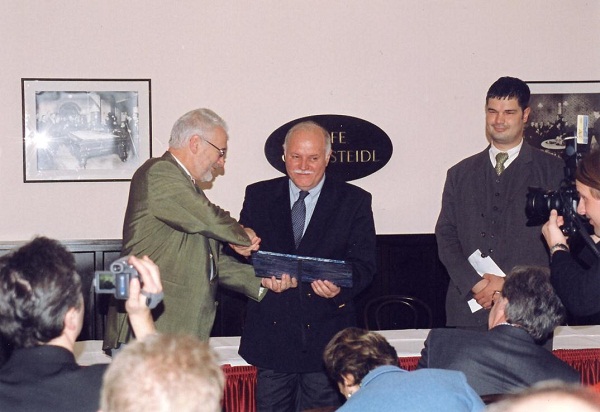
Kerem Lawton (-2001)

29 September 2021: Interpol urged to clarify standing on arrest warrant for Rewcastle Brown

October 4, 2021 disabled comments

Interpol urged to clarify standing on arrest warrant for Rewcastle Brown

29 September 2021 – This morning ARTICLE 19, Index on Censorship and Fair Trials wrote to INTERPOL to request clarification about whether a Red Notice or Diffusion has been issued against the British journalist, Clare Rewcastle Brown. The fourteen undersigned organisations would like to reiterate calls for INTERPOL to clarify the situation in order to ensure Ms Rewcastle Brown’s unrestricted entry to Spain later this week.

Ms Rewcastle Brown is the founder and editor-in-chief of the Sarawak Report and known for exposing high-level corruption involving the former Prime Minister of Malaysia (popularly known as the ‘1MDB scandal’). In 2015, the Sarawak Report published an article on the diversion of USD 700m into the personal accounts of the prime minister of Malaysia, Najib Razak. Subsequently, Ms Rewcastle Brown faced charges of ‘activities detrimental to parliamentary democracy’, which formed the basis of a Red Notice request by the Malaysian authorities. In August 2015, Fair Trials wrote to INTERPOL expressing concerns that the Red Notice would likely violate INTERPOL’s rules. At the time, they took the unusual step of confirming that although a Red Notice request had been received, it was refused by the General Secretariat.

As of 23 September 2021, Ms Rewcastle Brown has been subject to a new arrest warrant in Malaysia. According to media reports, she is wanted over criminal defamation charges brought by the wife of the Sultan of Terengganu regarding statements made about her in Ms Rewcastle Brown’s 2018 book about the 1MDB scandal.

If a Red Notice has been issued, Ms Rewcastle Brown could be arrested when she travels to Spain later this week to visit an elderly relative who needs her support. There is also a risk that she could be held in detention and face extradition to Malaysia.

The undersigned organisations have serious concerns that the Malaysia National Central Bureau might be trying to use INTERPOL’s systems to judicially harass Ms Rewcastle Brown. The organisations are calling on INTERPOL to clarify whether there has been an attempt to issue a Red Notice or Diffusion by Malaysia, and whether such an attempt has been successful.

Clare Rewcastle Brown said: “These criminal charges are linked to a civil defamation case and my lawyers believe they represent an abuse of due process to put pressure on me as the defendant against a politically powerful litigant. When the original criminal complaint was brought in 2018 the police declined to action it. However, last month the political party behind the multi-billion dollar 1MDB sovereign wealth fund theft, which lost an election after I had exposed the scandal, returned to office.

“I am concerned that the same actors who tried to abuse Interpol by having me arrested as a terrorist in 2015 will, having returned to power, attempt to file another Interpol Red Notice alert with the aim of having me detained anywhere in the world. They are seeking to paint me as a criminal for exposing their corrupt practices which is my job as a journalist and they are using a claim of ‘criminal libel’ which is simply not a crime that exists in the UK or most democratic countries where the freedom of journalists to report on the politically powerful is rightly protected. I could be thrown into jail at a border by officials who have no idea about the background to this case or the spurious nature of these charges and then face months of legal action fighting extradition charges to get back to Britain.”

Bruno Min, Legal Director at Fair Trials said: “Some countries will go to extraordinary lengths to quash dissent, including by abusing INTERPOL Red Notices and Diffusions to harass and intimidate critics, wherever they might be. INTERPOL must send a clear message to the world that it will not tolerate the misuse of its systems as a tool of oppression by ensuring that journalists and writers like Clare Rewcastle Brown are protected from abusive Red Notices and Diffusions.”

Sarah Clarke, Head of Europe and Central Asia at ARTICLE 19 said: “This latest act of legal intimidation by the Malaysian authorities against Clare Rewcastle Brown is part of a pattern of serious judicial harassment against the journalist as a direct reprisal for her work in exposing massive corruption. INTERPOL must recognise this as a vexatious act of intimidation and ensure they are not complicit in the abuse of their system.”

Jessica Ní Mhainín, Policy and Campaigns Manager at Index on Censorship said: “It’s an indictment of international policing that a journalist travelling from one jurisdiction to another should fear an arrest for her work, which is overwhelmingly in the public interest. INTERPOL should take immediate steps to block any efforts by the Malaysian authorities to abuse its systems to harass Clare Rewcastle Brown, and ensure her unrestricted entry to Spain.”

Signed by:
ARTICLE 19
Blueprint for Free Speech
The Daphne Caruana Galizia Foundation
English PEN
European Centre for Press and Media Freedom (ECPMF)
Fair Trials
IFEX
Index on Censorship
International Press Institute (IPI)
Justice for Journalists Foundation
OBC Transeuropa (OBCT)
PEN International
Reporters Without Borders (RSF)
South East Europe Media Organisation (SEEMO)
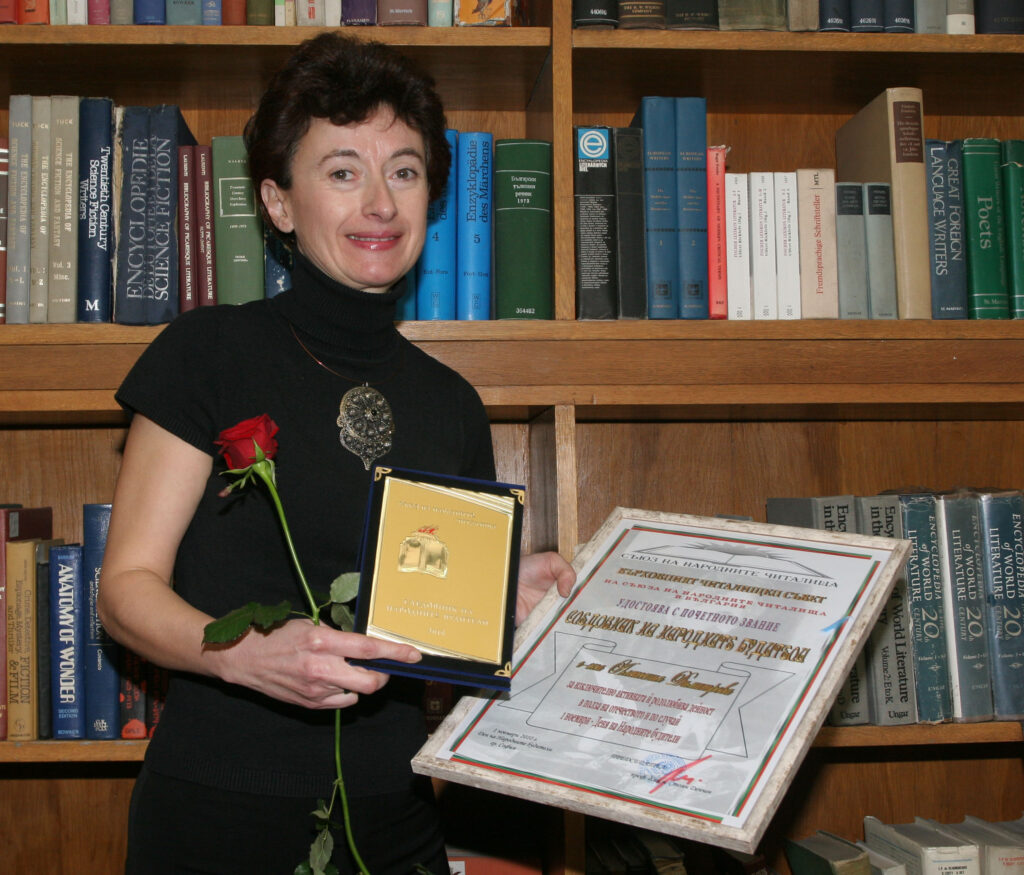
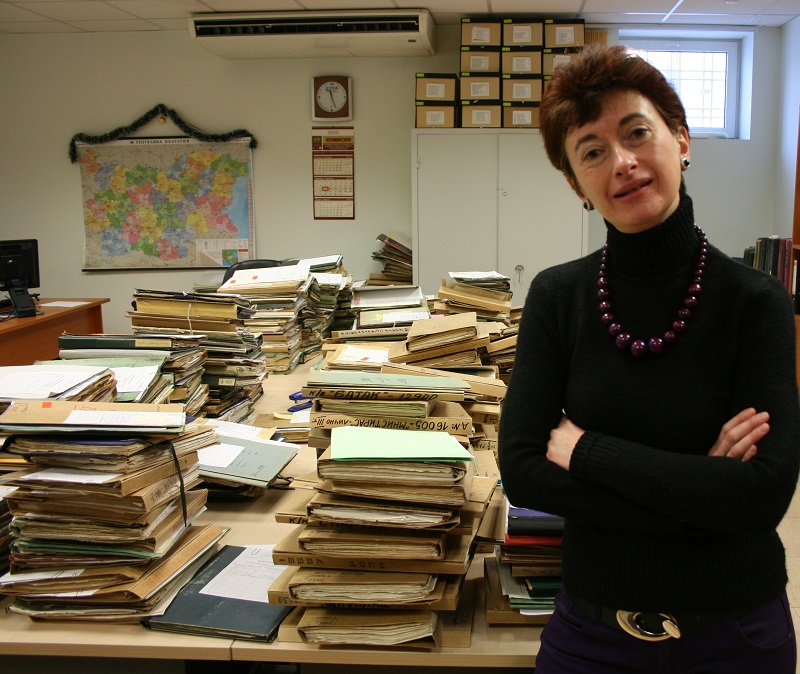
Interview with SEEMO Member Alexenia Dimitrova (September 2021)

September 30, 2021 disabled comments

Can you please present a little yourself. Your childhood in Bulgaria in the period of Communism.
I have been working as journalist for more than 30 years. I am glad that only 3 of these years were during communism. Only a person who has lived in those times can imagine what I am talking about. The fall of the Wall in 1989 gave us freedom to write and to publish whatever we wanted. We became free to travel across borders and to openly express our opinion.
As for the childhood – my family lived modestly because my parents were not members of the communist party or part of so called “nomenclature” – certain people gifted with privileges. My mother worked on two and sometimes on three places to be able to support my education and our living.

How and when you started your journalist career?

My father was a journalist and an author. I have always asked myself why he was not publishing his work in the major media. I discovered the truth only after the fall of the totalitarian regime when I was allowed to read his 144-pages file collected by the State Security during 1950’s and 1960’s. I read there that he had been internee in 2 labor camps, including the most severe one – Belene, for his strong anticommunist beliefs. When he passed away I found among his belongings manuscripts which he never published. I did not know all of this when I was 10 years old and sent my first small innocent piece of news work, which got published in a youth newspaper. It was about a natural rock formation high in the mountain and the myths related to it. Being a journalist was the only thing I have dreamed of ever since.

The newspaper 24 Chasa played an important role in your life. Can you tell us a little more about your work in this newspaper.

I worked for 24 Chasa for 21 years until 2016 when I became a freelancer. I still publish my work there and in satellite editions within the media group. 24 Chasa gave me freedom of speech and an arena to develop my professional ideas. After 1995 I published a large number of investigations in the newspaper . Among them were the investigations from the late 1990’s and early 2000’s on the so-called “red money”, leaked out of Bulgaria to offshore zones after the fall of totalitarian regime. The offshores were not so widely discussed back in that time as they are today. Years later, when I already became part of the International Consortium of Investigative Journalists team, and we worked on the Panama Papers or Swiss Leaks it was much easier. We were an international team which was exchanging information and data and we supported each other. Nothing like this was possible in the 1990’s. There was no internet, no public registers, no Freedom of Information Act. In the past I had worked in old fashion way for months to find sources and supportive documents.

In the 1990’s I got my first journalism specializations in Reuters, in the World Press Institute and in the University of Missouri, Columbia where I discovered the power of things like Freedom of Information Act (FOIA) and public records, which I started using immediately. These tools are very powerful and assist the journalist immensely.

The active usage of the American FOIA helped me to obtain documents related to Bulgaria which in my own country were either classified or destroyed. I published a large part of interesting documents, related to events from communist times, in 24 Chasa or in my books.

I also launched a series of articles dedicated to reuniting people from all over the world with their Bulgarian relatives. These people lost connections with their families in Bulgaria due to communist restrictions and censorship of correspondence. I reunited more than 260 families incl.parents and children for the past 19 years.

You are also author of several books. Can you present us your work.

All my five books are documentaries. I would have never started writing books if I was not approached by a London based publishing house after my first articles on documents declassified in Bulgaria and in the USA on my requests. This publishing house invited me to digest in a book some of my findings from the archives. I got interested in the archives in the 1990s when my father received a document that he was subject of repressions. Thus my first book “The Iron Fist” was published in English. I am glad that I did it because I received a good response from 2nd and 3rd generation Bulgarians who escaped to the West during the communism. They wrote to me that the book helped them understand better their parents or grandparents’ decision to risk their lives and cross the border illegally.

My next books were also documentaries. I am particularly proud of my forth book “Murder Bureau”. It is based on documents which I found after long years of research. It discovered the existence of a super secret unit, Service 7, which since 1964 was tasked in kidnapping and assassinating Bulgarian defectors in the West. It targeted at least 10 Bulgarians who escaped to 9 Western countries until late 1960’s.

Journalist investigations where always part of your work. Why you decided to work as investigative journalist?

I have not decided this. I am simply a very curious person who always likes to see and research what is behind the wall and under the surface.

You are an expert also for intelligent services. How strong was the influence of the Bulgarian intelligent service in the Communism period on journalist?

I do not claim myself an expert. I rather have knowledge obtained during my researches in the archives of documents declassified by my request under FOIA both in Bulgaria and the USA. I cannot say what influence had the intelligence services on journalists back in that time because as I told you I was journalist only 3 years before fall of communism. I knew though that the Ministry of Interior or the State Security had officers who were responsible to observe the media. This person eventually watched closely the work of journalists and the media and approached them if needed to “correct” their work.

Today are journalist free from the pressure from intelligent services or are the intelligent services still very active connected to journalist and media?

I do not know about other journalists, I know about me – I have not received any pressure or even an attempt of influence on my work in the last 30 years.

How you see the media situation in Bulgaria today?

Diverse. Which is good. Everyone can choose what to read and to watch, and to takes his or her own conclusions.

How strong is the influence of politics and business on media?

You should ask the owners and the editors in chief.

Many students and young people in Bulgaria have the wish to be a journalist, especially in TV to be “famous”. What would be your advice?

I teach Master degree students in Sofia University as an adjunct since 2007. I have also taught for a while in the American University in Bulgaria. I also teach mid-career journalists in Bulgaria and abroad. My impression is that many of young people are serious in their wish to obtain deep knowledge on how to make good journalism. However I let them know that they should be prepared for a serious continuing education if they want to stay relevant. Nowadays journalism is not what it used to be. They need to know foreign languages, to develop data knowledge, and to be able to work in international teams using modern platforms of communication and large data sets. The world of journalism is changing so quickly so they need to spend an extra time to follow and consider the trends.

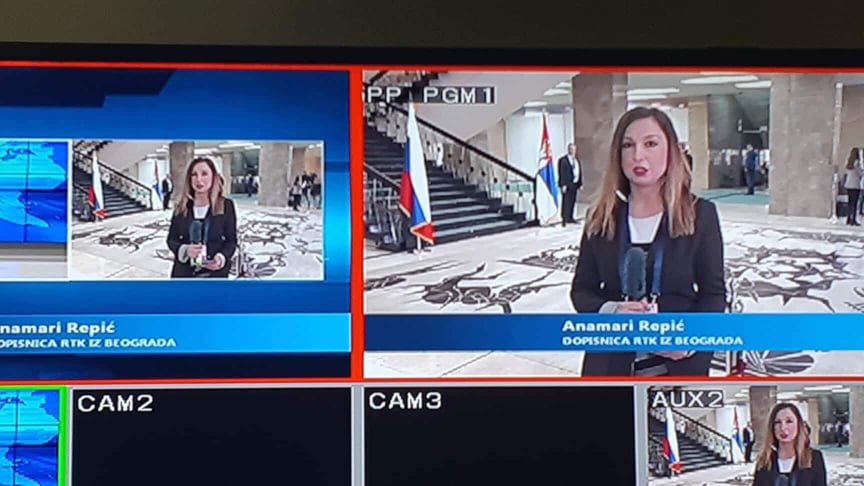
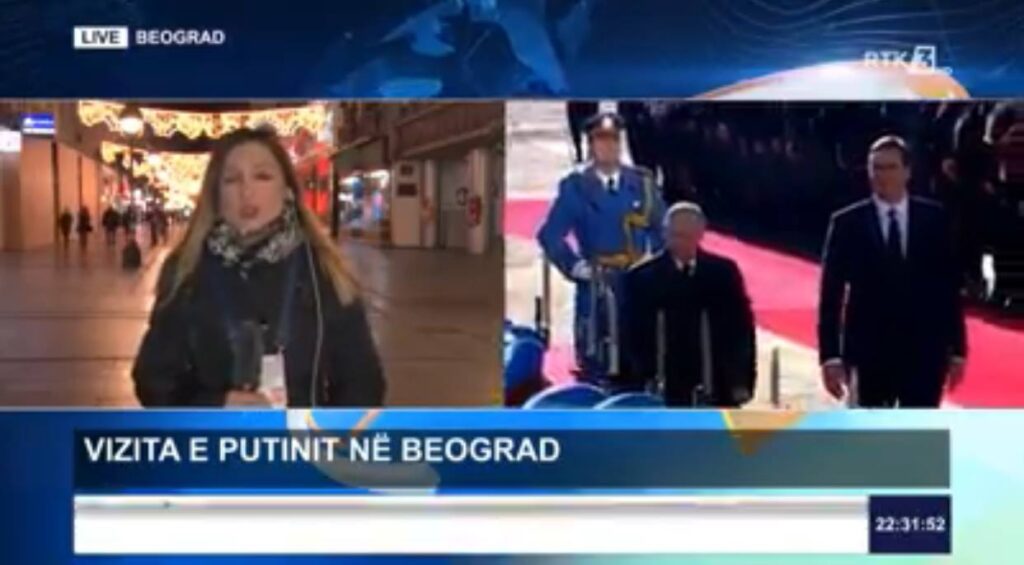
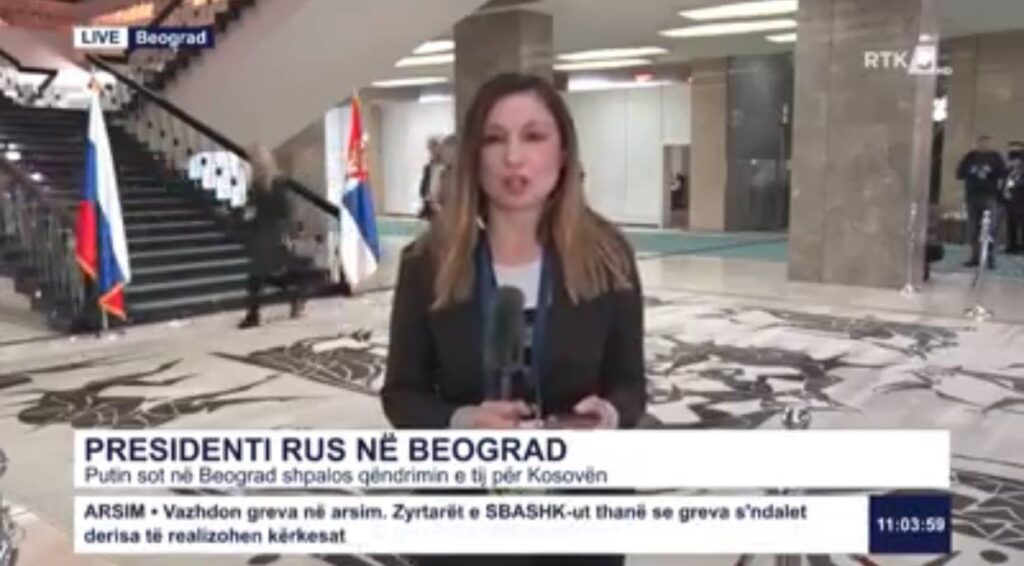
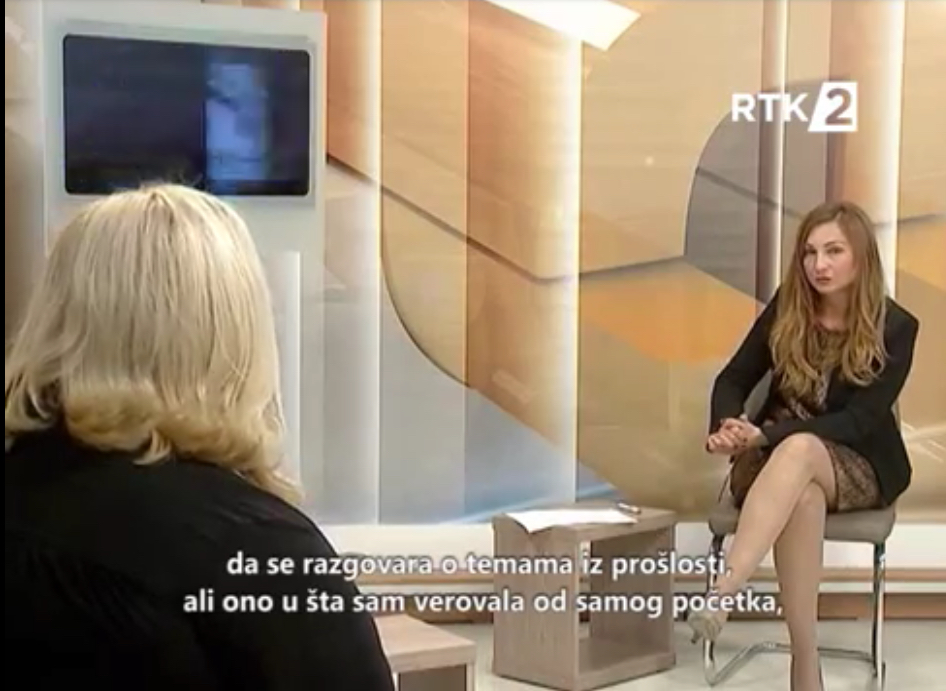
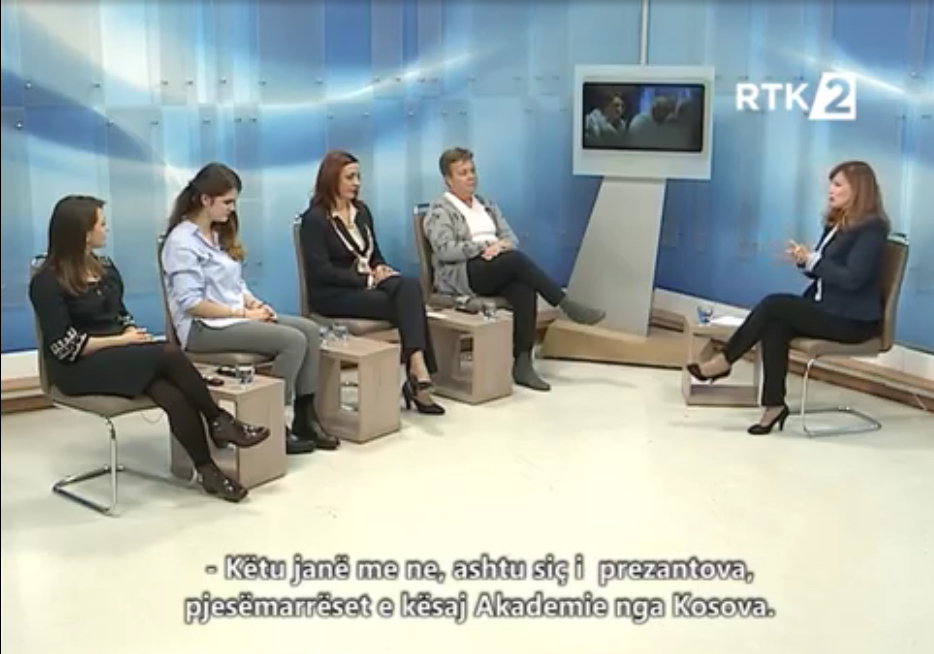
Interview with SEEMO member Anamari Repić (September 2021)

September 28, 2021 disabled comments

Tell us a little about yourself, your family, including how you got started as a journalist?
I was born in Prizren, and my family and I had to leave the city just after the conflict ended, in June 1999, like most of the Serbs from Kosovo. At that time, Serbs thought that they had to leave Kosovo because they did not feel safe, and that the peace agreement was not something that could bring them security. So, majority left Kosovo. My family and me too. We have been in Serbia since then, but all the time having connections with Kosovo, job, our friends there and our hometown. Returning to Kosovo in 2000 and starting as a junior journalist assistant in the multi-ethnic Radio Blue Sky, which was a Swiss project at that time, was the decisive moment in my carrier.
This year it’s been twenty-one year in journalism, an anniversary I am not fully aware and that I need to celebrate for sure. I started in journalism as a Radio journalist, then gradually reporting for all other media formats, print, TV, and web. So, throughout all these years, I have been a journalist, editor, manager, and a trainer, working in different media fields, from reporting to self-regulation, communication, media management, and lately a trainer in media ethics and media literacy. Now, since 2017, I have been a correspondent of Radio Television of Kosovo from Belgrade. I deal also with the trainings in media and information literacy, ethics, and journalism production. I have been a member of a fellowship program, finished different trainings in media, and I am a member of the civil society platform in Kosovo. Regarding the formal education, after finishing the Faculty of Teaching I completed MA studies in journalism. I have received two awards, one from the Association of Professional Journalists of Kosovo and IREX in 2003 for “brave in journalism”, and other in 2009 the award for “media contribution in the integration of minorities into Kosovo society”.

You left Kosovo 1999, and then you returned after one year to begin your career as a journalist in Kosovo, at a time when this was not an option for the majority of Kosovo Serbs. Why you decided to be different?
Being a different, being a courageous, being a visionary, that’s the essence of life and living, as I see it today. I fell that one could hard decide to Ieave the place of birth for god, and especially if that is imposed. I lived in a city with culturally melting point, where many cultures met and cohabitate and enrich each other. We were proud of that, just as Kosovo is today proud when presenting the city of Prizren, history, cultural differences, old squares, traditional clothing, unique lifestyle, people with stories, beautiful temples for worship. Having that feeling, I knew that I would always be a refugee (although we were called displaced persons), a person, like many other Serbs from Kosovo, who most probably would never return to the hometown. I always knew it was not my guilt nor my family, it was the cause and consequence of the politics at that time. So, why I decided to return?

I thought it wouldn’t be ever possible, and I saw my destiny as an unknown island, when after the war becoming a refugee, or internal displaced person, that I was going into the world I never knew. How would we survive, can we ever get back, would we ever get normal housing…so many questions. While at the same time on the other side Albanians were suffering, trying to get their lives back, to measure the tragedy they faced.

I wanted to go back and see what the possibilities are. The people were not unknown to me, those are my people, Albanians, Serbs, Turks, Bosnians, Roma. So, when I returned and decided to be different, to change certain perceptions, that was my response or reaction to new reality, new opportunities, and new political circumstances. Everything new, but old me, who thought that it was a duty of our generation to do things better, to bring positive changes, which the Kosovo society needed and struggled for a long time.
In that kind of situation, you just don’t have a plan, you suffer and feel pain because of uncertainty. When the opportunity came for me to try something different in the new radio which had an aim to bring together communities, divided by the war, I saw a sign that maybe I should try, didn’t have anything to lose… So, having the university education, having lot of interest, understanding the situation in Kosovo, what happened to Kosovo Albanians and Serbs, knowing how to think in an objective manner, I thought I should try. And that was so important moment.

Your professional work…
As a journalist I have always seen myself as an active member of the society, where I strive for freedom, free speech, for being different, where two neighbours in one building can belong to different cultures. I have been given a challenging and unique opportunity. To use my energy, ideas, and motivation to learn more on how to contribute to the specific information environment. When in one society not all its members fill free, when being different could be trouble, then civil society like journalist, have duty to act and start changing that. Those changes sometimes could be very challenging, since you would need to intervene within the society, and within the institutions-policy makers, which not necessarily would support you. I understand this fight as an essential for the society, for the well-being of citizens, for his/her, for intervening within the system so that it becomes a service.
My work as a journalist and a member of the Serbian community in Kosovo, is another motivation for me. So, my first stories were about covering new reality, life of two divided communities and how the life and political environment was rebuilding, and what was especially important to me was reporting about the Serbian community who at that time lived in the enclaves, closed and in fear. Then, I realized that it was it. I am going to learn more because journalism was not just a job or a motivation, a mission, but possibility for an active but responsible participation in the society, which was divided and burdened by the recent war and tragedies.

You had your own TV show “Everything is Possible with Ana”. Can you tell us a little more about this show.
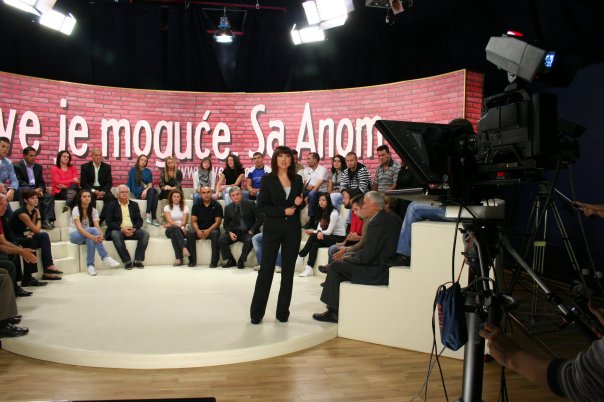
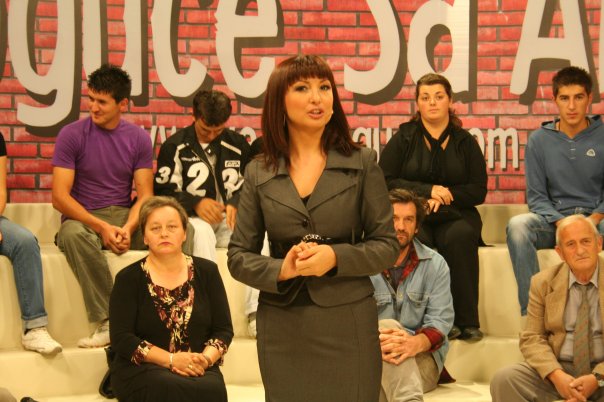
It was about the difficulties of the Kosovo society and its citizens faced, so it was more symbolism that all good and all bad could be possible. We were living in a very difficult and complicated time, when the improvement of the interethnic relations and cooperation was the aim all of us who wanted to live in peace and prosperity. The TV show was about bringing Serbs from their enclaves so that they discus about their lives and present themselves to the wide public. I was producing and moderating the TV Show called “Sve je moguce. Sa Anom” (Anything is possible. With Ana). The aim of this TV show was to create a public safe space within the Kosovo community, where Kosovo Serbs’ voices and opinions could be heard. At that time, my team and I thought that open dialogue and debate was the key which could provide a problem-solving atmosphere. The guests were citizens, politicians, opinion makers, CSO representatives, Serbs, Albanians, internationals…It was one year show, and at that time we heard various experiences about everyday life, fears and hopes for the future, answered and unanswered questions.
Serbs were seen only through the prism of the political statements and ethnical prejudices. So, this show had an aim to start the political and social dialogue, so that you via TV at your home start learning about the life of a community with whom you don’t have any communication, or real objective information. This was the possibility for Albanian and other communities, and Serbs as well, to see analyse and think about the possibility of living together in peace. It is the most important thing in journalism to bring people to talk about their lives, hopes, worries and struggle in try to build life in the political environment different from the one it was in the past. The show presented, among other things, that every ordinary citizen had the same worries in terms of trying to get job, better education, health care, to think about the future, and above all to live in peace in stability. When people see they have similar or almost the same problems and challenges, then you can bring them close to each other and they can start communication and interaction.

You held the position of deputy director of RTK, the public broadcaster in Kosovo. Can you tell us a little more about this work.
I was deputy in two terms, and that was really challenging period because we were trying to establish Serbian TV channel, with that the law would be changed, and strengthen other communities’ programs, in all platforms. To my mind all the time was this idea on how to develop one joint public broadcaster that would be an address to all communities. I participated at the general managing work of the public broadcaster, when the priority was establishment of the Serbian TV channel, as part of the Kosovo public broadcaster. It was work in developing minority programming, bringing them closer to public, to communities, interacting with them. The RTK has programming in several languages, Albanian as majority, then Serbian program on TV, Radio and web, programming in Bosnian, Turkish, Roma, Montenegrin language, etc. It was about promoting the work of the PBS of Kosovo, making joint media content with other local media, and above all working for the communities’ needs to be met. So, my duty was to participate and contribute to the changes, with the specific matter of bringing public broadcaster closer to the communities. It was the period of the law changes, while at the same time preparing for the digital changes in the technology and the content.

What was your biggest challenge in your work?
It was the period after the war, my first years as a junior journalist, and later while participating in the establishment of the Serbian TV channel of RTK. The challenging was to be a journalist in the environment when first yourself was not so safe and you had to report about the life of those who fill unsafe, about the institution building, about the divided life of two communities, and at the same time being professional, objective and trying to learn all the time. While being a journalist reporter, I visited many places in Kosovo producing stories about everyday life, the community struggle, hope, positive stories, mainly working on the inter-ethnic issues. That was my biggest challenge as it was not just an ordinary journalistic work, it was about carefully reaching those people, sometimes because they lived in the enclaves it was careful planning, reaching them, explaining them why it was important to hear their stories, etc. The second challenge comes 10 years after, in 2010, when the establishment of the Serbian channel started, with ideas developing, plans, public awareness campaign. The biggest challenge was to deal with the resistance of the Serbian journalistic community to this channel, as they wanted to have TV which was not part of the Kosovo public broadcaster. Today this TV channel functions as part of RTK, where dozens Serbian journalists work, providing space for the community and all citizens in Kosovo to discuss all open issues. The main challenge of this TV channel remains the outreach, as there is still limitation in the signal transmission.

You have been vice-chairperson of the Press Council of Kosovo. Very often the councils are existing only on paper. How it is in Kosovo?
I see self-regulation as one of the most important aspect of journalism. It is the thing that you know the rules, sensitivity, challenges, restrictions, freedom, but still, you have enough space to do a story respecting the standards and respecting the freedom of speech. This balance is core of journalism.
I think that people in Kosovo have been informed and there was an awareness about the work of the PCS, but it is never enough. It is recognized as a self-regulation body, it is consulted, people make appeals, it is invited to give advice, etc. I think that Kosovo should be proud of this body and its work. Regular awareness campaigns could help in reaching out the citizens, and education sessions. People think that they don’t have enough power to change things, but they regularly need to be told that in democracy there are professional bodies, such as press council, which can deal with specific media issues, in press and online. Today more than ever it is needed. I think that the main challenge remains the communities’ outreach and involvement of the communities’ media, especially Serbian.
How you see the media situation in Kosovo today?
Beside all similar problems in the world, there is an additional challenge of having divided life, and with that in general media that are ethnically divided. In the divided society or society where two communities, Albanian and Serbian, live in different realities, this job becomes more difficult and complex. The main problem is reporting most of the time about your own community, and just when there are problems, you report about other community. That kind of reporting is additionally creating uncertainty and unclarity. I think that it would be important to change that, especially in one multi-ethnic society, where still political problems have not been solved, and a society where two communities do not listen to each other, do not listen each other’s problems, hopes. I don’t see that there is a discission in the public sphere about this, that two communities discuss these issues, that professionals gather, make some proposals, basic changes, we still lack communication, and interaction, and that reflects the media work and media content. It is still representing persons who don’t belong to our community as “other”, and I consider that situation is not a road to a happy future for everyone.

How you see the role of Serbian media in 90´s ?
The 90´s was very difficult time. It was a period of growing up, getting education, trying to find your place in the society. Those years were lost, we lost our years, we waisted our youth, possibilities for a society without tragedies. But, instead of that we were living the darkness time, with the war-torn region, and hate around us. Media created such an atmosphere that every atom of possible peace was destroyed. I remember going to a high school and my friends Albanians had to protest in front of the Gymnasium because they were not allowed to go to school, and that was one of the many political problems that were appearing every year of the decade. Watching them from the window of the school I was thinking why the school was not allowed to them, why I was privileged, etc…I saw that nothing will be the same anymore. In that political circumstances, the media were poisoning the space, spreading the hate, and blaming one side for instability. State television at that time was a propaganda tool of a dictatorship and that was obvious if you’d use your common sense, and just see around you. At the time of crises, you could easily be manipulated by the government. They were presenting “us” as a superior who should defend their country. It was everyday putted in the people’s heads, no matter if you saw something else in the street and in your neighbourhood. They would believe the authorities. And the end was – we know.
However, there were professional media, which was hard to reach to listen or watch, but they were my heroes who risked lives in staying faithful to the truth, reporting truth and against the Serbian regime. I remember trying to get BBC, Radio Free Europe, Deutsche Welle and others to get the real picture about what was happening around you, and the international community point of view. With that all the time just waiting that things would soon get better. But it wasn’t. So, the everyday life looked like listening, watching, reading the news, and watching around you, in fact witnessing that one life would never be the same. In that atmosphere, the media were my life, professional ones, which gave me a hope and helped me to understand that that the politics of the Serbian regime was about dictatorship, propaganda, hate, misinformation, call to act against the ones that were represented as “others”.

What is your comment about the today reporting of Serbian media about Kosovo?
Reporting about Kosovo in Serbia is mostly about emotions above facts and analysis. Accept few professional media, which report unbiased, the media situation in Serbia regarding Kosovo is problematic. The most media are state controlled by finances, politically or other interest. They promote the politics of the state against Kosovo and its status, which could be seen in everyday narrative, in the press, portals, broadcast media, local, regional national. Sometimes you just fell like there is a parallel life, the one real one, and other controlled and imposed by those media/tabloids. On the other hand, many media from Serbia have their corresponds from Kosovo, and they should use this to opportunity and deal with the issues from all communities, to challenge the narratives with the facts from the field, etc. They impose the narrative that promotes hate speech, biased reporting, partially presented or misused facts, historically based emotions instead of reality. What kind of public opinion could be created in this way? Not the one for sure which is open minded, with analytical approach, the opinion which understands what has been happening, etc. In general, in Serbia lacks open debates about relationship with Kosovo, about the past and the role of Serbia during the 90s, about the actual moment, about the life of Serbs and their participation in the institutions, society, how to install communication, etc. Thus, the media should not just promote leaders, but media should promote first facts, debate, and communication. That can be their role for better society and future. I need to point that some media have had stories from Kosovo, interviews with the institutional leaders, about Albanians, their life today. But it is needed even more. In general, it is needed the exchange of journalists, promoting stories of everyday life…Many things could be done, just we need the will and a vision. There should be a need to understand.

How hard it was to stay always professional as journalists?
It could be hard in the circumstances when you report about the struggle and hard life of the community you belong to. It is a thin line. But the line is crossed only for those journalists who think that objectivity and independence in this circumstance could be negotiable. This “hard” you fell every day, and it is a measure of the quality that you provide. Not all of us could be investigative journalists, but with the everyday work on daily stories, reportages, interviews, analysis, we can show that it is a hard work behind being a professional as journalist. You need to fight different invisible enemies, so that you freely look behind the story, between the lines, refusing agendas, etc.

Your Albanian is fluent what should be also normal, as people should use many languages in the communication, especially if we have a diverse community. But still, many Serbs from Kosovo do not speak Albanian, many Serbs who left Kosovo never learned Albanian language. Why?
I have to say that it is normal to speak languages if you are from Prizren. When you hear different languages in the street, around you, from you first neighbour, that becomes your culture, your value. I consider that previously this was a political issue. Today, I know many people who would like to learn, some think it is not needed, some say it is hard to learn, some say not enough time. On the other hand, I also see people around the world who just learn languages, so the time and space are that’s not an issue. I would always think to give some advices, such as – just as you learn English you can start learning Albanian. I think people need to be supported, encouraged, and motivated. I was motivated because I have always been surrounded by different languages. When my Albanian colleagues were speaking to me in Serbian, I was thinking “I have to learn Albanian, that’s not fair”. The language was not strange to me. Going back again, in the ex-Yugoslavia we were learning languages. As I just started learning Albanian in the primary school, the 90s came and the Albanian language was expelled from the curricula. I started again learning from 2000, step by step, communicating with colleagues, friends, and now I know, not perfect, but I am trying. As a journalist I want to know what is happening around me, who is saying what, and especially because I come from the multi-ethnic environment. So, my social and professional life is richer, and I am proud when not just in Kosovo, but in Albania when I start speaking Albanian and they don’t know that I am a Serb. When they realize it, they are glad, and I am proud. Now reporting in two languages is a real challenge and something that someone should be proud of especially in this region, where our differences have been a reason for hatred and not for prosperity and strength of the society. So, reporting in two languages, from Belgrade in the moment when political negotiations are ongoing, in the period of constant tensions, when two sides try to decide about the relationship they want to achieve, and when two societies need to start communicating, exchanging, understanding, and promoting each other. This is an important moment to report about, and one step further for me and a huge responsibility.

How important is the work of SEEMO as a press freedom organisation?
The professional organizations have enormous relevance for the journalists and for the protection of the principles. Most of the countries in the region have their own local or national journalistic associations, but the regional one has additional importance. SEEMO is an umbrella, the housing roof that offers a safe space. It means that the organization is needed when protects and reacts, when interacts with journalists and stake holders, and when promotes new trends and new knowledge. The most important thing is offering a network for the communication and possible cooperation among journalists and media representatives, and listening their struggle, but also ideas and possible solutions. Journalists are busy by everyday field work, and it is important that they have somebody to think about their rights and position in the society……

Please walk us through a typical workday. How do you manage your time today?
It is just a usual journalistic day. Starting with reading and watching all news outlets, traying to get in the morning different perspectives of the stories and possibly new angles of the events. I usually organize my interviews and fieldwork because I am today what is being called the MoJo, or a journalist who works with her mobile (shooting, editing). This was the challenge in the beginning but later you just realize how it can be helpful when you have all what you need in your hand, literally. After doing a fieldwork then it’s time for writing and producing. I think that journalists have the same workday, as you say typical. Whatever you do in your free time, you are never detached from the media, daily events, you cannot have an empty period because you always need to catch-up, sooner or later. So, having morning coffee with the news, working on the news, and in the evening TV shows getting the follow up of the events. Somewhere in the middle is this space for books, family, and entertainment.

Finally, as press freedom, human rights and democracy are very important in your life, can you give please some advice for younger journalists?
The media work today is influenced by the market, owners, political influences, but the journalists should understand their role exactly the way they learn in the schools. We must be at public service, independent in thinking, objective. You don’t learn in the journalistic school that you should be partial, you may learn that later, when you accept or not accept to be influenced by financial and political influences. It is important that you report about the ones who are vulnerable, look around you, they can be everywhere, they can be people who speak other language, coming from different culture, but it is your journalistic duty and obligation to report about all equally. Be open for new knowledge, new perspectives, and develop your reporting style. Never say “our government”, it is a/the government. If you report about sport, culture, lifestyle, the same journalistic principle counts as for political reporting, but the tactic is different.

Interview with SEEMO member Dragan Sekulovski (September 2021)

September 27, 2021 disabled comments

Date of birth: 19 May 1984

Date : September 2012 – current
Location Skopje and other regional centres within the country
Company Association of Journalists of Macedonia
Position Executive Director
Date : February 2011 – September 2012
Location Skopje and other regional centres within the country
Company Association of Journalists of N. Macedonia
Position Project Coordinator / Management Consultant – Projects funded by international
donors (Internal Consultant at Association of Journalists of Macedonia)
Date : March 2009 – November 2010
Location Skopje
Company Ministry of Finance of Republic of N. Macedonia (National Fund)
Position Management and Internal Control Officer
Date : August 2008 – March 2009
Location Skopje
Company SEAVUS Corporation
Position Project and knowledge management consultant

You are international well known with your work in the leading journalist association in North Macedonia Здружение на новинари на Македонија. Can you present us a little more your work.

One thing is absolutely true about my work as Director of the Association of Journalists of Macedonia and that is that I am never bored. There is simply no time for such luxury but not only that since we do not have routine work given that the diverse topics tackled by this organisation which are never the same. So constant learning is a must. We are trying to follow the trends in journalism and the instruments of pressure towards journalists for which the mitigative measures ask specific and new approaches and this is a professional challenge. In addition, the partners that support us which are members of the international organizations they all have different procedures which burden our work but eventually make me and my colleagues learn constant new things in order not to improvise but to provide quality results.

Can you tell us please something more about the start of your career.

In the past, I worked in the commercial sector in the IT industry and later in the Ministry of Finance for the EU funds for Macedonia. This experience helped me to nurture professional communication especially with the foreign stakeholders and to be efficient in fundraising since the technical issues of the EU procedures for the pre-assistance funds were already familiar to me. I did have difficulties to accommodate the dress code, in the beginning, to be frank since a suit and a tie were common for my past job however for somebody that is in a company with reporters on daily basis and is “on their side” this was rather unusual. So some jokes were present about my style by other colleagues which is kind of funny thinking on that from this perspective.

How you can describe the media situation in North Macedonia in 2021?

The media situation in Macedonia has seen better days for sure. In numbers, Macedonia used to be 34th position on RsF Global Index in 2009 and for comparison this year we are on the 92nd position. So there is a lot of space for improvement. The biggest problem is the small market and vast number of media and simply there are no funds for everybody to be happy that leads to a problem since it makes the journalists to be fragile from the social and economic aspect. This also affects the generally poor media offer with some exceptions that is provided to the citizens. In addition, the policy of impunity is widely spread and attacks and threats to media workers are simply not efficiently processed by authorities that can easily trigger new attacks of journalists and this is also something noted in the international media reports.

What is the role of public radio and television in North Macedonia today?

The MRTV as stipulated in the national laws should provide to the citizens quality informative programme, education and entertainment. Although that there are certain improvements in the informative segment of the public broadcaster and some positive examples of private production within the MRT I can not say that this media is fulfilling its mission. The management of the board has an expired mandate which was legalized recently with amendments in the law and the annual budget of this media is now less than 15 million euros which is less than 50% of the budget that should have as stated in the law having in mind that the financing is fixed with a concrete annual percentage of the national budget of the country. So obviously there is no political will for serious reforms in the MRTV and this is sad since this media should be a trendsetter of standards in the media discourse.

Some years ago it was very hard for many journalists to work only as journalists, and they worked sometimes in several newsroom or had some additional job to survive. Is it better today?

The average salary of a journalist is less than the average salary in the country and people are expecting bravery from the media workers. Yes, there are brave individuals that motivate others but in general, the economic standards of journalists especially in the local and media outlets out of Skopje are very concerning. Hence the influence can be very cheap which may affect negatively the independence of the editorial policy.

How strong is the influence from business and politician on media and journalists in North Macedonia?

There are examples in which well-known businessmen that have links with the politicians are suing journalists at the court for defamation. This is an example for their poor tolerance of critic. The influence is bigger by the political parties since almost every year there are elections in the country and millions are spent (public funds) for party campaigns in the private media. This creates later a circle of clientelism in which the public interest suffers.

Interview with SEEMO member Stojan De Prato (September 2021)

September 27, 2021 disabled comments

Date of birth: 16/02/1957

01/07/2018 – CURRENT – Brussels, Belgium
AST4 FILE MANAGER – European Parliament
01/07/2013 – 01/10/2014
MEMBER OF NON PROFIT MEDIA COMMISSION – Ministry of Culture
01/10/2004 – CURRENT
CROATIAN NATIONAL EDITOR FOR STANDARD EUROBAROMETER REPORTS – TNS
opinion / Kantar Public
15/12/1984 – 31/03/2012
JOURNALIST – “Večernji list” Croatian daily newspaper
01/10/1981 – 31/05/1984
HEBREW LANGUAGE TEACHER – Katedra za opću lingvistiku i orijentalne studije,
Filozofski fakultet, Sveučilište u Zagrebu

Can you tell us please something more about the start of your career?
I graduated General Linguistics and Cultural Anthropology. Already as a student of the third year, at request of my Linguistics professor, I started volunteering by teaching Hebrew to students of the General Linguistics and Oriental Studies department, having been promised an assistant post upon completion of my studies and as soon as funds for a new assistant were approved. Yet, after three years of volunteering, another assistant had to be employed because he was politically connected.
I decided to stop teaching and try my luck as journalist: I took my CV to “Vjesnik”, once a mega-company encompassing almost all print media in Zagreb, and several months later, in February 1984, I got a call that there was an opening at “Večernji list”, major daily newspaper. I passed the test, done the three-months in-house training, and I stayed there for the next 28 years.
As a young person you spent part of your life during the Summer in Israel…
In high school, at the age of 15 and 16, my parents sent me for two summers to a summer school of English in Croydon, England. Such English summer schools were at that time pretty popular in Croatia. The following three years I spent summers travelling around Europe by Interrail. On my way I made some Israeli friends, got interested in the country, and having seen everything in Europe (or so I thought then), in 1977 i boarded a boat to Israel. I hitchhiked around the country and the West Bank – at these days there were no checkpoints, Israelis were usually going to Tul Karm or Qalqiliyya for Shabbat lunch and Palestinians were spending weekends on Israeli beaches, hitchhiking was safe – quite unbelievable today. I started learning Hebrew, and I also picked up some Arabic on the way. I spent several weeks volunteering at the Sha’ar Ha’Amaqim kibbutz (a decade before me Bernie Sanders also volunteered there) which was established by immigrants from Croatia, Vojvodina and Romania, and in the following years I also participated in some seminaries organised for youth from abroad, and continued volunteering in other kibbutzim, like Ein Gedi at the Dead Sea and Yad Mordechai, next to the border with Gaza. In the summer of 1986, upon the opening of the border, I also hopped on one of the first tourist busses that were taking tourists from Israel to Kairo, and have written a 4-part report on the experience for “Večernji list”.

Most of your professional work you spent in Vecernji list in Zagreb. Can you tell us a little more about this period?
I started as a sector journalist covering city transport and network construction from 1984. until 1991. Upon the fall of “Communism” I was allowed to move to the previously politically sensitive Foreign Affairs Department, for which the Party membership was no longer required, and appointed a Middle East Specialist. I was covering the region from Zagreb, but spending several months a year as a visiting reporter in Jerusalem, until 2002, when I was sent to Brussels as EU and NATO correspondent.

You worked for more than 10 years as Correspondent on Middle East Affairs. How you see the today developments in this part of the world?
I still remember the days of old, when tensions between Israelis and Palestinians were much lesser than today. But when Menachem Begin’s Likud replaced the Labour as the Israeli ruling party in June of 1977 and started expanding the settlements in the West Ban and Gaza, the situation began to deteriorate seriously. At the same time, by introducing the liberal market reforms Begin had begun what Netanyahu had completed: tearing down the fabric of the Israeli society. The previous slogan “Kol Yisra’el Chaverim” – all Israelis are comrades – no longer exists, and chasing the maximum profit margin has become the norm. Now, when Palestinians are finally ready for serious peace talks, it seems that nobody in Israel is interested any more. And four years of the Second Intifada, when there was almost not a single day without a suicide bomber exploding somewhere, has pushed most Israelis to the Right. This quest for security above peace has become even stronger with Da’ish having conquered most of Syria and Iraq. Even now, upon the fall of Da’ish the feeling of security has not returned because of Hamas spraying Israel every once in a while with rockets from Gaza and with a similar threat coming from Iranian backed Hizbullah in Lebanon. Taking a more general view of the region, it is still recovering from Da’ish and trust between Shi’a and Sunnis has yet to be established.

Would you include Afghanistan in Middle East and how strong is the influence of some countries in the Middle East on the developments in Afghanistan?
The recovery from Trump’s betraying the Kurds, and insecurity that it brought to the other Western partners in the region would have taken some time even without Biden relinquishing Afghanistan to the Taliban. In this way you could consider Afghanistan as a part of the region, as its fall will definitely have some influence on the Middle East. But at the same time Afghanistan is a story for itself. Not even a country but an amalgam of different tribes, languages and customs, belonging more to Central Asia and Indian subcontinent than to the Middle East. Even though several of the languages spoken there are very similar or even identical with Farsi. The biggest influence on Afghanistan comes definitely from Pakistan, although Saudi Arabia and Qatar may also see it as their playground.

How important is journalism for you?
Once a journalist – always a journalist. Even though I don’t work as a journalist for living, I still pay my Croatian Journalists’ Association membership fee and feel deeply disturbed by the developments in the field. What Nick Davies wrote in his book “Flat Earth News” in 2008 has in the meantime become the reality of journalism also in Croatia.

Today you are not more active as journalists. Why you made this change in your life?
I was forced to make this change. It begun in 1998, when for the first time in “Večernji list” we were not paid overtime. Us Union representatives went to the CEO, former journalist colleague, to ask him what was happening and he told us: “Look guys, I can at this moment go out to the street and find 20 kids who would much, much cheaper than you fill these blanks among the adverts”. At that time it sounded as a harsh joke; no more. In July 2011 I was brought back from Brussels where they replaced me with a much cheaper free-lancer. In September Styrian owners of “Večernji list” decided to start a new weekly magazine “Forum”, to which most of us still fully employed staff were moved, pushed out into the open sea and sunk in the summer of 2012. Several month before, in March, even to those who thought Styrians were serious with “Forum” must have understood what was happening, when they offered us either a beginners salary (and most of us were employed for 20+ years!), or a gracious severance pay. Disgusted, I took the latter and left.

After having been on the dole for 19 months, I first got an 18 month contract with the EESC in Brussels, replacing two translators on maternity leave. When it expired; I was offered a lower level job as an assistant in European Parliament’s General Directorate for Communications, organising events and exhibitions for MEPs. In an internal re-shuffle my service has been moved to another DG, LINC, which deals with interpretation and conference organisation. My journalistic urge I satisfy nowadays mostly on social media. Also, since 2004, I have been a free-lance Croatian national editor for Standard Eurobarometer reports.

Enike Halas

September 24, 2021 disabled comments

Born on 10 May 1974. She passed away at the age of 38.

Her journalistic career began in 1995 in RTV Novi Sad, Hungarian language newsroom.

During her studies in Segedin, Hungary, she worked as a correspondent of Radio 021 in Novi Sad.

In 2001, she became the programme director radio Multiradio.

Since 2005 she worked for the daily Magyar Szo, Novi Sad Serbia.

From 2009-2011 she deputy editor-in-chief of Magyar Szo, Novi Sad Serbia.

SEEMO member

Interview with SEEMO member Dezső Öreg (September 2021)

September 24, 2021 disabled comments

My name is Dezső Öreg, I am a retired journalist of the Radio-Television of Vojvodina. I have been interested in literature and writing since I was a child, so it was no surprise that after finishing primary school and grammar school I continued my studies at the Department of Hungarian Language and Literature of the University of Novi Sad. I spent my childhood in my hometown Bačko Petrovo Selo, but moved to Novi Sad in order to continue my higher education. At that time Novi Sad was considered an economic and intellectual center, what’s more a liberal and unique place in Yugoslavia. I was fortunate to be a member of the 1955 generation, that was intellectually very strong, at a time liberalism was considered a virtue and not a curse. This has contributed heavily to the development of my world view. Liberalism was not seen as a political doctrine, but a basic right to freedom of opinion. This meaning has remained the same for me to this day. In debates back then arguments still mattered, not the noise, the lies, and the fictional enemies.
In such a milieu, it is no wonder that already in my final year of study I was drawn to a group gathered around the Új Symposion magazine. However, the fast pace of journalism, the spotlight and the fame directed me more towards television, seduced me, if you will. So I started in the editorial office for children’s programmes and later moved to literature. In the end, politics were unavoidable, and political journalism became my professional destiny. I did not know at that time what awaited us and what major changes the nineties would bring. Not only in the South Slavic regions, but all over the world. I lived the relatively comfortable life of a minority journalist. A life that allowed me to become a foreign policy journalist, which was regarded as a very sophisticated position back then. I could not have guessed at that time the differences there would be between us minority and majority journalists. In the eighties there was one founder and one party that controlled the editorial policy, and everyone fell in line in order to get a piece of the pie. And there was enough pie to go around, even for those like me, who were not members of the party. It was during these times when I started working at the Radio, amid great social change. Us foreign policy journalists – at least some of us – were aware of the dangers, but Hungarian minority journalists did not expect armed conflicts here. As it turned out, we assessed the situation poorly, very poorly. At the beginning of the Yugoslav Wars, Hungarian intellectuals from Vojvodina, including some journalists were in the opposition. By then private newspapers had formed, national incitement was in full swing and we just looked on wide-eyed. Others packed up in haste, as they received conscriptions into the army. They could not fathom why they should die in a war, waged by people who considered each other good neighbours and friends up until that point. At that moment, it turned out minority journalism was small. Thin, skinny, and poor. It can’t finance three to four newspapers. Either you write as you are told or you are out. Of course, there were also advantages to minority journalism, we were inconspicuous. With that we were able to smuggle in the news from the Serbian opposition press at that time to the Public Broadcasting Service and publish it in the Hungarian media. Our editorials were harsher. Back then we still had editorials published on public service media. Not many dared to do this, but there were a select few. Apart from everyday fears, most were also tormented by poverty. In any case, I would argue that in the public service media we published more information than our colleagues from the majority.
And then October 5, 2000 had arrived. The day that many still call the regime change. They believe and preach even today, that the time of democracy and the rule of law has come. Us foreign policy journalists already had an idea of what that meant, but most journalist were and still remain more or less ignorant in this regard. During this period, I held the position of Editor-in-Chief twice, for a total of 10 years. Over time, I had to admit that most did not demand real, free, and objective journalism. Nor the journalists themselves, nor the readers. Not even today. In 2021 there is a great divide between Hungarian journalists in Serbia. The leading Hungarian party is a coalition partner in the current Serbian government. It is no surprise they have expectations when it comes to managing editorial policy. To put it simply, there is political pressure on the press. Including the Hungarian press as well, of course. From funds received from the motherland, Hungary, the local Hungarian political elite created a new Subotica-based Radio and Television and took the only Hungarian daily newspaper from Novi Sad. Now edited from four different places in order to keep a watchful eye on it. A journalist’s task is to ask politicians and the authorities unpleasant questions for the sake of informing their readers, listeners, and viewers. However, this no longer seems to be the goal, with the shameful justification that there is no independent journalism anywhere in the world. In a nutshell, this is what has happened in journalism over the past 40 years, including minority journalism, in Yugoslavia, in Serbia, in Vojvodina. We have made our way nicely over from a communist dictatorship to a populist autocracy.

Ime mi je Öreg Dezső, penzionisani sam novinar javnog servisa Vojvodine. Od malih nogu me je privlačila književnost kao i pisanje. Nije ni čudo da sam nakon završene osnovne škole i gimnazije svoje obrazovanje nastavio na Katedri za Mađarski jezik i književnost pri Univerzitetu u Novom Sadu. Kao dete sam živeo u rodnom selu u Bačko Petrovo Selo, ali obrazovanje sam već stekao u Novom Sadu. U to vreme je ovaj grad važio za privredni i duhovni centar, šta više za liberalno i jedinstveno mesto u Jugoslaviji. Bio sam u tako u srećnoj prilici, da budem član generacije iz 1955 godine koja je bila duhovno veoma jaka. Naravno da je i to doprinelo razvoju mog pogleda na svet, u to doba je liberalizam važio za vrlinu a ne za psovku. Nije bio politička doktrina, nego osnovno pravo građanina na slobodu mišljenja. Za mene je i dan danas zadržao isto značenje. U raspravama su tada još uvek bili važni argumenti a ne galama, laž i izmišljanje lažnog protivnika.
U takvom miljeu verovatno nije čudo, da sam već na završnoj godini studija ostvario kopču sa novom generacijom, okupljenu oko časopisa Uj Symposion, ali brzi tempo novinarstva, svetla reflektora i činjenica prepoznatljivosti su me privukli i usmerili ka televiziji. Ako vam se više sviđa reč, dovodili u iskušenje. Tako sam počeo u redakciji programa za decu pa nastavio u literarnoj. Na kraju, nezaobilazna politika, političko novinarstvo je postala moja stručna sudbina. Tada naravno nisam znao kakva nas vremena očekuju, kolike promene donose devedesete. Ne samo u južnoslovenskim krajevima, nego širom sveta. Živeo sam relativno udoban život jednog manjinskog novinara. Koji život mi je omogućio da u struci dospem u tada još elegantno važeće drušvo spoljnopolitičkih novinara. Tada još nisam bio svestan kakva će biti razlika između nas manjinskih i većinskih novinara. Tada, osamdesetih godina, bio jedan osnivač, jedna partija je vodila uređivačku politiku, svako je koračao skladno, da bi bio siguran u nagradu. I sledila je nagrada, čak i onda, kada je čovek izbegao članstvo u partiji, kao na primer ja. U ta vremena sam prešao u Radio. Nasred velikih društvenih promena. Mi na spoljnoj politici – barem neki od nas – bili smo svesni opasnosti, ali na oružane sukobe društvo ovdašnjih mađarskih manjinskih novinara nije računalo. Kako se ispostavilo, loše, veoma loše smo procenili situaciju. Na početku sukoba između južnih slovena, vojvođanska Mađarska inteligencija – neki novinari se mogu svrstati među njih – žnači ovdašnja Mađarska inteligencija je bila opoziciona. Tada su već krenule privatne novine. Uveliko je trajalo nacionalno podstrekavanje, a mi smo samo gledali iznenađeno. Drugi su se ubrzano pakovali, jer su dobijali pozive za vojsku. Nisu razumeli zašto bi umrli u nekom ratu, koji vode ljudi, koji su do sada važili za dobre komšije, drugove, poznanike.I tada se ispostavilo, da je manjinsko novinarstvo malo. Tanko, mršavo, siromašno. Ne može da finansira dve-tri novine. Ili ćeš pisati kako ti se kaže, ili put pod noge. Naravno imali smo i prednosti, što smo bili mali, nismo zapadali u oko. I mi, na Javnom servisu, mogli smo da švercujemo vesti iz tadašnje Srpske opozicione štampe. Komentari su nam bili znatno oštriji. Tada je još bilo komentara na javnom servisu. Radili smo to, barem ko je smeo. Ne puno nas. Većinu, pored svakodnevnog straha je mučila i nemaština. U svakom slučaju tvrdim, da na nivou javnog servisa više informacija smo objavljivali, nego ostale kolege.
I stigao 5. Oktobar 2000. Godine. Kojeg mnogi i dan danas nazivaju promenom sistema. I veruju, govore i danas, da je došlo vreme demokratije i pravne države. O tome smo mi radeći na spoljno političkoj rubrici već imali saznanja i stav. Ali većina novinara je na tom planu bila i ostala, manje-više, bez nekog iskustva. U tom periodu sam dva puta bio glavni urednik sve ukupno 10 godina. Ali sam morao da uvidim, da za pravo, slobodno objektivno novinarstvo većina nije zainteresovana. Ni oni koji pišu novine, ni oni koji čitaju. Ni dan danas. Inače u 2021.godini velike su suprotnosti između Mađarskih novinara u Srbiji. Ovdašnja vodeća Mađarska stranka je koalicioni partner vlasti. Nije čudno, da imaju zahteve prema uređivačkoj politici, da hoćeda učestvuju u stvaranju istog. Narodski, vrši se politički pritisak na na štampu. I na mađarsku, naravno. Iz para iz matice, ovdašnja mađarska politika je stvorila jedan novi Radio i TV studio u Subotici. Jedini dnevni list na mađarskom je odnet iz Novog Sada. Uređuju ga sa 4 mesta. Da bude pred budnim okom. Novinarima više nije cilj da od političara pitaju i nezgodna pitanja u interesu čitalaca, slušalaca i gledalaca. A obrazloženje, da na svetu nigde ne postoji nezavisno novinarstvo sramno je pravdanje. U najkraćim crtama toliko se dogodilo za zadnjih 40 godina na planu manjinskog novinarstva u Jugoslaviji, Srbiji i Vojvodini. Lepo smo stigli iz komunističke diktature do populističke autokratije.

 Öreg Dezső vagyok, az Újvidéki RTV nyugalmazott újságírója. Kicsi korom óta vomzódtam az irodalomhoz, az íráshoz, így nem csoda, hogy az álltalános iskola és a gimnázium befejezése után, tanulmányaimat au Újvidéki Egyetem Magyar Tanszékén folytattam. Egyébként kora gyermekkoromat szülőfalumban, Péterrévén töltöttem, tanulmányimat azonban már Újvidéken végeztem. Abban az ídőben ez a város gazdasági és szellemi központnak, sőt szabadelvűnek és egyedinek számított Jugoszláviában. Abban a szerencsés helyzetben voltam, hogy nemzedékem, az 1955-ös, szellemileg erős generáció volt és persze az is nagyot lendített világnézetem kialakulásában, hogy a szabadelvűség akkor még erénynek számított, nem pedig szitokszónak. Nem politikai doktrínát, hanem a polgár szabad gondolkodásra való elemi jogát jelentette. Számomra ma is ezt jelenti. A vitákban akkor még az érvek számítottak, nem pedig a hangerő, a hazudozás meg az ellenség fabrikálás.
Ilyen miliőben nem csoda, hogy már végzős egyetemista koromban az Új Symposion akkor alakuló új gárdájához vonzódtam, de az újságírás gyorsabb tempója, a reflektorfény, az ismertség inkább a televízió felé irányított. Ha jobban tetszik, csábított. Így kezdtem a gyermek-szerkesztőségben majd folytattam az irodalmiban. Végül a megkerülhetetlen politika, politikai újságírás, lett szakmai sorsom. Akkor persze még nem tudtam, hogy milyen idők elé nézünk, hogy mekkora változásokat hoznak a kilencvenes évek. Nem csak a délszláv térségben, hanem világszerte. Éltem a kisebbségi újságíró aránylag kényelmes sorsát. Amely sors megendedte, hogy az újságírásban, az akkor még igen elegánsnak számító külpolitikai rovatra kerüljek. Akkor még nem tudtam, hogy mi is lesz majd a különbség közöttünk, kisebbségiek meg a többségiek között. Akkor, a nyolcvanas években, egy alapító volt, egy párt írányította a szerkesztéspolitikát, egyszerre lépett mindenki, hogy mindenkinek jusson rétes estére. És jutott is, még akkor is, ha nem volt párttag, mint én. Egyébként ekkor kerültem a Rádióba. Jöttek a változások. Mi külpolitikusok – legalább is közülönk sokan – láttuk, hogy nagy a veszély, de fegyveres összetűzésekre az itteni magyar kisebbségi újságiró társadalom nem számított. Mint kiderült rosszul, végtelenül rosszul mértük fel a helyzetet. A délszláv háborúk kezdetén a vajdasági magyar értelmiségiek, hellyel közzel egyes újságírók is közéjük sorolhatók, tehát a magyar értemiség ellenzéki volt. Akkor már beindultak a magánújságok, nagyban folyt a nemzeti úszítás, mi pedig csak kapkodtuk a fejünket. Mások lóhalálban csomagoltak, mert katonának hívták őket. Nem értették, miért kellene meghalniuk egy olyan háborúban, amelyet, teljesen értelmetlenül az eddig jó szomszédnak, barátnak, ismerősnek számító emberek vivnak egymással. És itt kiütközött, hogy a kisebbségi újságírás kicsi. Vékony, sovány, szegény. Nem bír 3-4 újságot fenntartani. Vagy úgy írsz, ahogy mondják, vagy fel is út,le is út. Persze voltak előnyei a kisebbségi újságírásnak: nem voltunk szem előtt. És mi közszolgálatiak becsempészhettük az akkori ellenzéki szerbiai sajtó híreit. Kommentárjaink keményebbek voltak. Akkor még voltak kommentárok a közszolgálati sajtóban. Tette is ezt, aki merte. Nem sokan voltunk. A többséget a mindennapi félelem mellett a nincstelenség is kínozta. Minden esetre, állítom, hogy a közszolgálati színten többet megírtunk, mit a többségi kollégák.
És akkor megérkezett 2000 október 5. Amit még mindig sokan rendszerváltásnak mondanak. És azt hiszik, hirdetik, hogy eljött a demokrácia meg a jogállam ideje. Amelyekről, nekünk külpolitikusoknak már volt elképzelésünk, de a többség e tekintetben tapasztalatlan volt. Maradt is, jószerivel. Ebben a periódusban kétszer is betöltöttem a főszerkesztői posztot, összesen 10 évig. De be kellett látnom, hogy igazi, szabad, objektív újságírást a többség nem igényelt. Sem az újságot írók, sem az olvasók közül. Ma sem. 2021-ben mély ellentétek feszünnek a szerbiai magyar újságírók között. Az itteni vezető magyar politikum a mostani szerbiai hatalmi koalíció része. Nem meglepő, hogy elvárásai vannak a szerkesztéspolitika irányításában. Magyarán politikai nyomás nehezedik a sajtóra. A magyarra is, természetesen. Anyaországi pénzekből a politikum létrehozott egy szabadkai székhelyű RTV-t, az egyetlen napilapot elvitte Újvidékről. 4 helyről szerkesztik. Hogy szem előtt legyenek. Az az újságírói feladat, hogy a hatalomtól kellemetlen dolgokat is meg kell kérdezni az olvasók, hallgatók, nézők érdekében, nem létezik. Az a megindoklás pedig, hogy a világon sehol sincs pártatlan újságírás, hát szégyenletes önigazolás. Dióhéjban ennyi történt az elmúl 40 évben az újságírásban, a kisebbségiben is Jugoszláviában, Szerbiában,Vajdaságban. Szépen eljutottunk a kommunista diktatúrából a populista autokráciába.

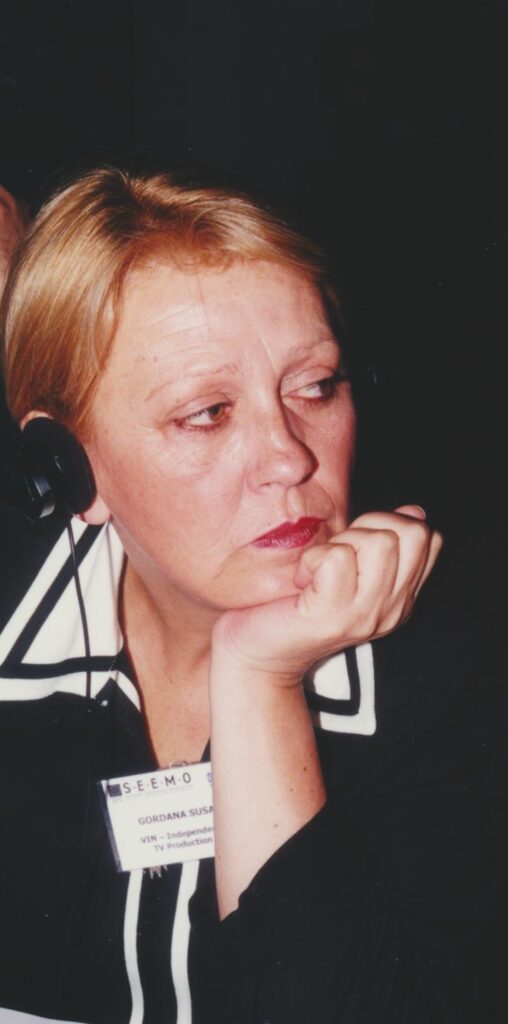
Gordana Suša (2 February 1946 – 22 June 2021)

September 23, 2021 disabled comments

Gordana Suša
SEEMO MEMBER

(1946 –2021)

Gordana Suša (2 February 1946 – 22 June 2021)
former Radio-Television Belgrade journalist and editor
former Yutel editor
former Borba / Nasa Borba / Blic journalist
former Radio Television of Serbia journalist
former President of the Independent Journalists’ Association of Serbia (NUNS)
working for independent television magazine ViN
SEEMO member

Kemal Kurspahić (1946-2021)

September 23, 2021 disabled comments

Kemal Kurspahić (1946-2021)
Managing editor of The Connection Newspapers, USA
Former editor-in-chief of Oslobodjenje daily, Sarajevo
Winner of the the Dr. Erhard Busek SEEMO Award for Better Understanding
SEEMO member