SEEMO Interview with Anuška Delič

SEEMO Interview with Anuška Delič

September 10, 2020 disabled comments

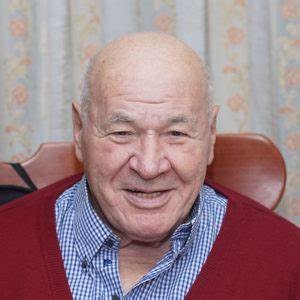
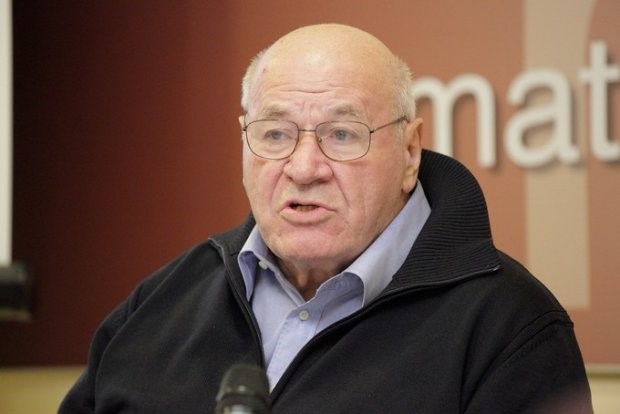
Anuška Delić is a journalist with Slovenia’s main daily newspaper Delo, where she focuses on investigative and data-related stories. She is a member of the Association of Slovene Journalists, an advisor to the programme board of Slovenia’s media festival Naprej/Forward, a member of IRE and partner of OCCRP. She is currently standing trial for allegedly publishing classified information about the Slovenian intelligence agency.

SEEMO:Can you please tell us about your case?

Anuška Delić: In the summer of 2012, the Slovenian Intelligence and Security Agency filed charges against me and an unknown employee of the Agency. The charges alleged that I published classified information in articles about the connections between the political party SDS and the Slovenian division of the international active right extremist organization Blood and Honour. The articles were published in the daily Delo in the beginning of December 2011. According to the Slovenian Criminal Code (Article 260) the publication of classified information is punishable by up to three years in prison.

In March 2013 I was questioned about these charges by the Criminal Police, and in April of the same year the state prosecution filed an indictment against me and Sebastjan Selan, the ex-director of the intelligence agency. According to the Prosecution, Selan was indicted for not filing charges against me and an unknown employee of the agency. In September 2014 a judge of the district court in Ljubljana decided the indictment should be put on trial. The pre-trial hearing started on 15 October 2014 and the main trial started on 5 January 2015.

SEEMO:Does this case have influence on your work as journalist?

Anuška Delić: In terms of my work regarding the activities of Blood and Honour Slovenia (B&H), yes. B&H wrote on its webpage back in July 2012 that my information could have only come from the Slovenian Intelligence and Security Agency. As soon as I became aware of the possibility being charged, especially after being asked to appear for questioning by the police, I ceased to actively investigate B&H. I was afraid that the police (or later the prosecution) could compromise the identities of my sources. And by this I mean any sources, not just those whom I spoke to in this particular case.

Slovenia is a tiny country where everyone knows each other. The political party I ‘outed’ in my articles is the largest right-wing party. It has a somewhat volatile rhetoric and methods of dealing with those who disagree with it, or are perceived to be against it. Therefore, there is a tendency here to stay out of its way, especially when it comes the party’s president, Janez Janša.

When I read in the indictment that one of a judges had denied the state prosecution’s request to access my phone records, I was able to start working on this topic again. The other consequence of this case is that it takes a lot of my time and energy and prevents me from focusing on my work as much as I would like to.

SEEMO:After everything that has happened, do you ever consider self-censorship, or think about finding more relaxing work?

Anuška Delić: Not really. I don’t see any reason to censor myself in any way. I might be a little more careful with my words in public, but that is it.

SEEMO:How did this case affect your private life?

Anuška Delić: This case has a similar effect on my life as it has on my ability to work in peace. It takes time, energy and sleep. Also, the other side had started a campaign to discredit me. That takes its toll. Especially since reacting in any way just brings more paranoid insinuations, but not reacting makes me feel like I am not standing up for myself like I should. It’s a double-edged sword. Both sides of it have an effect on me personally, whether I like it or not.

SEEMO:Have you received any public support?

Anuška Delić: I feel that I have a lot of support in a large part of the public, at least the part that isn’t siding with those who started the prosecution against me. By that I mean the informal actors.

SEEMO:How did other media in Slovenia report on your case? Did they offer solidarity or not?

Anuška Delić: At first, when it became known that there was an indictment filed against me, the reaction was a little bland. The information was published by a weekly which is sympathetic to the party that I had written about. However, when it became known that I was going to stand trial, I received full support from the majority of the main Slovenian media outlets. Besides that, the support of foreign media has been quite amazing.

What I felt was even more significant than the question of solidarity is the fact that the Slovene Association of Journalists decided to formally request a change to the articles of the Criminal Code pertaining to the publication of classified information and defamation. It should be added that the Criminal Code allowed the publication of classified information, when it was in the public’s interest and not harmful to the state, until November 2008. Then this possibility was struck off. This case is the first one which is based on the ‘new’ article of the Criminal Code. However, there is now another case developing which involves two journalists from the daily Dnevnik.

SEEMO:How important was the support SEEMO gave to you?

Anuška Delić: I can’t overstate the importance of such support. Visibility – domestic and international – of a case like mine is really very important. Not only because it is an expression of solidarity and support, but also because it shows state powers that such a court case will not go over well with organizations and institutions that aim to safeguard freedom of expression and the press. Moreover, it gives a clear message that prosecution of journalists simply for doing their job will not be tolerated. No government likes to look bad in the eyes of the international community.
SEEMO Interview with Ahmet Şık

September 10, 2020 disabled comments

Ahmet Şık is a Turkish investigative journalist and the author of several books. He wrote The Imam’s Army on the life, work, and political movement of Fethullah Gülen. Şık was detained in March 2011, and the draft book was banned in Turkey as an ‘illegal organizational document’ of the secret organization. The text of the book was posted online in response to Şık’s arrest on 1 April 2011. A version of the book was released in November 2011 under the name 000Kitap, edited by 125 journalists, activists and academics, and published by Postacı Publishing House. In 2011 Şık was charged with support of an armed organization. On 12 March 2012 the Istanbul High Criminal Court ordered his release pending trial.

SEEMO:How you see the press freedom situation in Turkey at the beginning of 2015?

Ahmet Şık: We cannot talk about an improvement in Turkey’s press freedom situation right now. If there is any ‘improvement,’ it is in the number of jailed journalists. However, I believe that they released these journalists, whose number once exceeded 100, to avoid increasing international pressure. This is not an improvement for press freedom at all. Scores of legal cases recently filed against journalists in Turkey show that the government has no intention to improve the press freedom situation. This is the legal aspect of the issue.

There is another side, which is the pressure that political authorities exerted on media. The culprit of this pressure is not only the government, but particularly the media owners. Media outlets that the government direct control on one side, those mainstream ones that are relatively ‘independent’ have a government representative in their newsroom for each. This brings about censorship and self-censorship. Debate programs aired live on television are a good example of this phenomenon at work, as these shows over-represent pro-government pundits while under-representing critical voices. This is the worst era in the history of the Turkish media and I believe that it will further worsen, as the government has already taken steps to have a tighter control of both the media and the judiciary though new laws. Those include a law about Turkey’s Supreme Board of Judges and Prosecutors (HSYK), as well as the Internet law, while using its fight against the Gülen community as a pretext. When you think about the issue in a holistic way, it is not possible to be optimistic about the future of the press freedom in Turkey.

SEEMO:You have been arrested and spent a time in jail. Did this experience change your life?

Ahmet Şık: Neither my arrest nor the recent wave of arrests of journalists changed my mind. I am where I was in the past. I still oppose it if anyone is prosecuted for his or her journalist activities. Even when journalism is abused by some circles, it should not be a reason to be jailed. People have the right to report, and also the right to object to what is reported. Unfortunately, one fact does not change in Turkish media, which has a history of almost 200 years. When the Ottoman daily Takvim-i Vekayi was established in the 19th century, its owners could get an official permission only conditionally, by vowing to not challenge the ‘great interests of the state’. Similarly, today’s media organizations in Turkey do not challenge the great interests of power groups. Those who dared to challenge them were killed in the 1990s. Now they stopped killing them, but instead, they either arrest them or convict them to unemployment and hunger.

Interview with SEEMO Member Ante Gavranović (August 2020)

August 22, 2020 disabled comments

SEEMO Intervju: Ante Gavranović ( 8/2020)
(Auch mit einer deutschen Version)

Tell us, please, a little about yourself, including how you got started as a journalist?
Rođen sam u Lovreću, malom mjestu Imotske krajine. U dobi od 3,5 godine odlazim u Beč (gdje moj otac radi) I ostajem s njim do svibnja 1941. Vraćam se u Zagreb bez da znam riječ hrvatskoga. No, taj hendikep ubrzo sam prevladao, a poznavanje njemačkoga jezika u mnogome je godinama kasnije odredilo moju novinarsku sudbinu. .Malo je mojih vršnjaka znalo taj jezik, a malo je bilo i suspektno govoriti ga nakon rata.
Novinarstvo me oduvijek privlačilo i to je bio moj životni odbir. Još kao student prava započeo sam raditi u redakciji “Privrednog vjesnika” i ostao joj vjeran sve do odlaska u mirovinu, 1991. Istina, moj izbor da se bavim poslovnim novinarstvom bio je slučajan, ali kasnije ga nikada nisam htio mijenjati.

You met many important persons. Maybe if you can present some of them.
U toku duge novinarske karijere (koja još traje) susretao sam mnoge istaknute ličnosti političkog, a napose privrednoga života. Novinarstvo mi je pružilo privilegij da vidim mnogo svijeta, upoznam mnoge krajeve i ljude. Ipak, bih izdvojio tri susreta koji su na mene ostavili najveći utisak.
Prvi je bio s najmlađim ministrom britanske vlade Harry Wilsona, Wegwoodom Benom. To je čovjek koji se odrekao naslova lorda, da bi se skrasio na desnom krilu Laburističke stranke. U razgovoru je iskreno istakao kako Velika Britanija više nije svjetska velesila i da traže od svoje diplomacije da 90 posto svoje aktivnosti posvete gospodarskim pitanjima. Bilo je to 1969! Pokušavao sam tu (po meni jako važnu) misao prenijeti i na našu diplomaciju, nažalost bez uspješno.
Drugi je bio Nikolaj Sergejevič Fadjejev,dugogodišnji generalni sekretar SEV-a. Imao sam s njim intervju u povodu 25. godišnjice ove ekonomske grupacije. Bio sam, zahvaljujući njemu,prvi strani novinar koji je nogom stupio u UstIlimsk (u Sibiru, ex Sovjetski Savez) gdje se gradilo – grandiozne tvornice zajedničkim sredstvima SEV-a. Bili su to kapaciteti o kojima se moglo samo sanjati.
Treći iz plejade koji su me posebno zaintrigirali bio je Ferdinand Piech, tvorac čuvenog I čudesnoga Porsche-a. Upoznao sam ga naproslavi 100- godišnjice Audija. Bio sam fasciniran njegovom poslovnom filozofijom. Čovjek je djelovao toliko jednostavno, a iza njega je stajalo toliko sadržaja i postignuća…Sve je zvučalo pametno i sadržajno.

You have a long year experience, starting from reporting in the time of “old Yugoslavia”. What was the difference of the journalism in that time and today?
Novinarstvo je bilo elitno zanimanje. Ljudi su se prema njemu odnosili s poštovanjem, koje se kasnije izgubilo. Postojala su, istina,određena ograničenja u radu medija, što se pretežito odnosilo na napise o Titu I Partiji, koje nisi smio dirati. Živjeli smo u jednopartijskom sustavu i znalo se da vodeća garniture ima apsolutnu vlast nad svime, pa i nad medijima. Međutim, ozbiljan novinar mogao je relativno lako izbjeći zamke jednoumlja i iznijeti svoje mišljenje. Uostalom, prave autore se čitalo među redovima.
To je posebno došlo do izražaja poslijeTitove smrti I smatram da je posljednja dekada postojanja Jugoslavije bile “zlatno doba” hrvatskoga I jugoslavenskoga novinarstva. Kad to kažem, mislim prije svega nakvalitetu, ali i utjecaj koji su tiskani mediji imali na cjelokupno društvo.
Danas je kvaliteta medija ozbiljno narušena, a utjecaj sve više prelazi na društvene mreže. Uloga tiskanih medija se sveviše potiskuje.

What was your biggest challenge as journalist?
Ostati svoj! Zadržati dostojanstvo i steći povjerenje čitatelja. Mislim da novinaru / ki nema većega priznanja od toga da ti publika vjeruje. Uvijek sam se zalagao za važne poluge i načela novinarstva: etičnost, profesionalnost, vjerodostojnost i odgovornost. Po meni, to su trajni izazovi I treba ih stalno njegovati kao vrlo osjetlljivu biljku.

Croatia was in war in the 90´. How it was to be a journalist during the war in Croatia?
Hrvatska se odjednom našla u vrtlogu svjetskoga zanimanja. Razoren je jedan način života, a trebalo je tek izgraditi drugi.Bilo je tu i lutanja, osobito u zauzimanju jasnih stavova prema budućnosti. Rat je otvorio mnoge rane. Mnoge od njih nisu ni danas zaliječene…
Za novinarstvo i novinare to su bila izuzetno teška vremena. Mnogo je tiskanih izdanja odjednom nestajalo s medijske pozornice. Mnogo je novinara ostalo bez posla. Mnogi se nisu snašli u novim uvjetima. Bile su to godine ozbiljnoga preslagivanja na medijskom tržištu. Bilo je i mnogo zloporaba. Bilo je to ujedno vrijeme ozbiljne bitke za opstanak nezavisnog novinarstva, jačanje demokracije i uspostave medijskih sloboda. Lomila su se koplja oko vlasništva u medijima.
Ukupno uzevši, nismo bili spremni za ratno stanje, ali su novinari dali sve od sebe da se nedostatak iskustva nadomjesti požrtvovnošću i hrabrošću. Nekoliko istaknutih novinara i snimatelja izgubilo je svoje živote. Bila je to, ukupno uzevši, velika škola praktičnoga novinarstva.

You have been the president of the Croatian Journalist Association HND. How hard was this job for you?
Vrlo izazovan. Trebalo je ustrojiti organizaciju Hrvatskog društva novinara, zajedno s organima vlasti poraditi na stvaranju novih medijskih zakona, osigurati financijsku stabilnost, servisirati brojne novinarske ekipe koje su nahrupile u Hrvatsku. Pronositi u svijetu istinu o Hrvatskoj I njenoj samostalnosti.
Bilo je to vrijeme kad smo se borili za prijem u Međunarodnu federaciju novinara (IFJ) i uspjeli u tome usprkos dosta velikim otporima pojedinih novinarskih saveza. Hrvatsko novinarsko društvo bilo je, zapravo, prva organizacija koja je dobila međunarodno priznanje. Osigurali smo ujedno povratak Novinarskog doma, koji je godinama bio nacionaliziran.
Na skupštini HND na Brijunima smo (1992.) donijeli Deklaraciju prema kojoj nitko ne možebiti izbačeniz HND zbog svog političkog stave ili uvjerenja. Na tu sam Deklaraciju posebno ponosan.
Cijelo vrijeme mandata (1991. – listopad 1995.) održali smo distance prema vlastima i nismo dozvolili ulazak politike u rad i djelovanje Društva. To nije bio nimalo lagan zadatak.

Your work is connected to the South East Europe Media Organisation (SEEMO) from the start of our organisation. How important is SEEMO for you?
SEEMO je za nas bio novi izlazak na međunarodnu novinarsku pozornicu i u tom smislu vrlo važan element ukupne aktivnosti. Zajedno sa Centralom u Beču organizirali smo više zajedničkih susreta s novinarima i novinarskim organizacijama novih država. Posebno bih istakao susret glavnih urednika vodećih listova i TV postaja u Opatiji i susret Europske federacije novinara u Zagrebu
Bili su to važni iskoraci u osvajanju novih medijskih sloboda. Otvarali smo pitanja globalizacije i internacionalizacije medijskih prostora, isticali važnost i ulogu istraživačkoga novinarstva. Upozoravali na opasnoti koje se kriju u netransparentnosti vlasništva I medjima, zatim na opasnosti povećanog utjecaja komercijalnog oglašavanja na sadržaj tiskovina. Otvaralismo, zajedno, nove horizonte
Žao mi je što se aktivnost SEEMO na neki način posljednjih godina u Hrvatskoj podosta umrtvila. Stoga je bilo pravo osvježenje skup koji je prošle godine održan u Zagrebu ( XIII South East Europe Media Forum 2019).

How you see the political situation today in your country and the role of politicians? Situation of media?
Hrvatsko društvo prolazi (još uvijek) put tranzicije od jednoumlja prema civiliziranom građanskom društvu. Rat je unio mnogo nedorečenosti. Srušene su sve ustaljene društvene vrijednosti, a na mnogim područjima nismo uspjeli izgraditi nove. Politička elita najčešće nije dorasla tim zadaćama I provođenju potrebnih društvenih I ekonomskih reformi. Nova Vlada ima šansu da ozbiljnije krene u tom pravcu.
Posljednjih desetak godina položaj medija prerastao je u jedan od najvažnijih problema demokratskog ustroja zemlje. Moć medijskog sektora u društvu općenito je porasla. No, politička emancipacija medija nije konsolidirana. Politički krugovi povremeno (zapravo, uvijek iznova) izražavaju snažne težnje obnovi kontrole medija, osobito javnih. U novije vrijeme sve se više zapaža i utjecaj poduzetničke sfere, koji je u sadržaju glasila možda teže prepoznatljiv od upliva politike, ali nije i manje važan s profesionalno-etičkog stajališta.
Kad je riječ o medijima valja naglasiti da se mediji trajno bore za svoje mjesto u društvenoj hirerahiji. Politika želi nadmoć I kontrolu medija. Mediji se opiru tim tendencijama s više ili manje uspjeha. Raste uloga i utjecaj društvenih mreža. Pred nama je vjerojatno razdoblje nove konsolidacije medijskoga prostora, u kojem, nažalost, tiskani medijii pak gube svojedobni primat.

And in Europe… Worldwide?
Mnogo je istaknutih novinskih naslova nestalo. Osjetno padaju naklade tiskovina, a prihodi od oglašavanja sve su manji. Izdavači traže nove poslovne modele kako bi se održali nad vodom. Poljuljana je vjerodostojnost medija I ljudi im sve manje vjeruju. Politika smanjivanja troškova i većih obveza novinarima narušava kvalitetu medija, a to je dugoročno velika opasnost. Primjeri Financial Timesa, The Economista, Wall Street Journala, pa Die Zeit, FAZ-a I još nekih istaknutih svjetskih listova pokazuju, međutim, da se i u novonastalim uvjetima može ne samo opstati već i napredovati. Kako? Samo kvalitetom I vjerodostojnim analitičkim novinarstvom.

Please walk us through a typical workday. How do you manage your time today?
U službenu mirovinu otišao sam u kolovozu 1991., ali sam već narednog dana započeo novu aktvnost: postao sam član uprave najvećeg industrijskog holdinga – tvrtke Končar.Došao sam na tri mjeseca (trebala im je ispomoć u odnosima prema javnosti), a ostao u raznim funkcijama sve do 2012. Istodobno sam se dijelom vratio u Privredni vjesnik, stvorili smo Grupu s nekoliko satelitskih poduzeća. Nakonšto je Hrvatska gospodarska komora preuzela vlasništvo nad listom, radio sam u izdavalaštvu kroz firmu Binozapress, sve do 2009.
Šest godina bio sam predsjednikNacionalnog vijeća za umirovljenike i starije osobe.
Trenutno obavljam dužnost glavnog urednika časopisa PERSPEKTIVE (izdajemo ga uz financijsku podršku Zaklade Konrad Adenauer (KAS) u Zagrebu). Surađujem u nekoliko časopisa: Suvremena trgovina, Svijet po mjeri I Hrvatski umirovljenički list. Aktivan sam na nekoliko portala: HIA, Turizmoteka, Epoha.
U vremenskom razdoblju od 2006 do 2015. objavio sam šest knjiga, među kojima se četiri bave medijskom tematikom.
U svakom slučaju, dan mi je uvijek ispunjen i nije mi dosadno.

How you see the future of media. Especially print media.
U stručnoj, ali i u općoj javnosti, zapaža se već duže vrijeme trend rasta senzacionalističkog pristupa, koji vodi do banalizacije tema i spuštanja razine novinarstva. Važno je napomenuti da taj trend nije vidljiv samo u Hrvatskoj. Ipak, za razliku od medijskih razvijenih tržišta, u kojima dolazi do fragmentacije medija na “ozbiljno” (profesionalno novinarstvo) i “senzacionalističko” (fragmentirajuće, žuto i površno) novinarstvo i medije, u nas se sve više gubi granica, pa gotovo svi mediji u većoj ili manjoj mjeri svoj tržišni prostor traže u ovom drugom novinarskom pristupu. Dodajmo tome i sve naglašeniju ulogu i utjecaj lažnih vijesti, opasan, često i poguban oblik komunikacije žutog tiska nastalog korištenjem dezinformacija i masovne obmane plasiranih u javnost putem klasičnih medija ili društvenih mreža.
Mediji će preživjeti sve turbulencije. Mijenjatće se samo platforme. Kvalitetan sadržaj daje prevagu, posebno tiskanim medijima. Treba se stalno prilagođavati novim zahtjevima vremena i publike. Onaj tko u tome uspije ima osiguranu budućnost-.

Finally, as press freedom and democracy is very important in your life, can you give please some advice for younger journalists.
Sloboda je posebna dragocjenost. Nije lako steći. Medijska sloboda je privilegij koji se ne smije zloporabiti. Novinari su čuvari i često posljednji bastion demokracije i tu svoju ulogu trebaju stalno nadograđivati i oplemenjivati. A to mogu činiti samo poštivanjem načela koja sam ranije spomenuo: etičnošću, profesionalizmom i vjerodostojnošću i odgovornošću. To je moja poruka mladim novinarima. –

Interview with SEEMO Member Danko Plevnik (August 2020)

August 12, 2020 disabled comments


Tell us a little about yourself, your family, including how you got started as a journalist?

In my memoirs The One Who Writes I wrote that I did not want to become a journalist but a writer. However, my grandfather Ivan Dobravec Plevnik left Zagreb for Virovitica in 1899 and founded the first Croatian-language newspaper Virovtičan. My father Zvonko was mostly a typographer and less a journalist, my uncle Božidar was a legend of journalism in Glas Slavonija in Osijek, his son Žarko was a journalist on Croatian Radio Television, his daughter Maša also worked as a journalist and this fall her daughter Ana-Lena Cvitanušić is enrolling journalism at the Faculty of Political Science in Zagreb. My wife Jasna is a journalist and editor, and my son Natko is a graduate journalist, who worked for the BBC for a short time but is not a journalist. So the family gravity of journalism seems to have influenced me to become a journalist.
I started in 1977 as a journalist in one of the largest daily in Croatia, Večernji list. It was a regional edition and the editor needed comments from the culture so I immediately became a columnist. Not bad start?


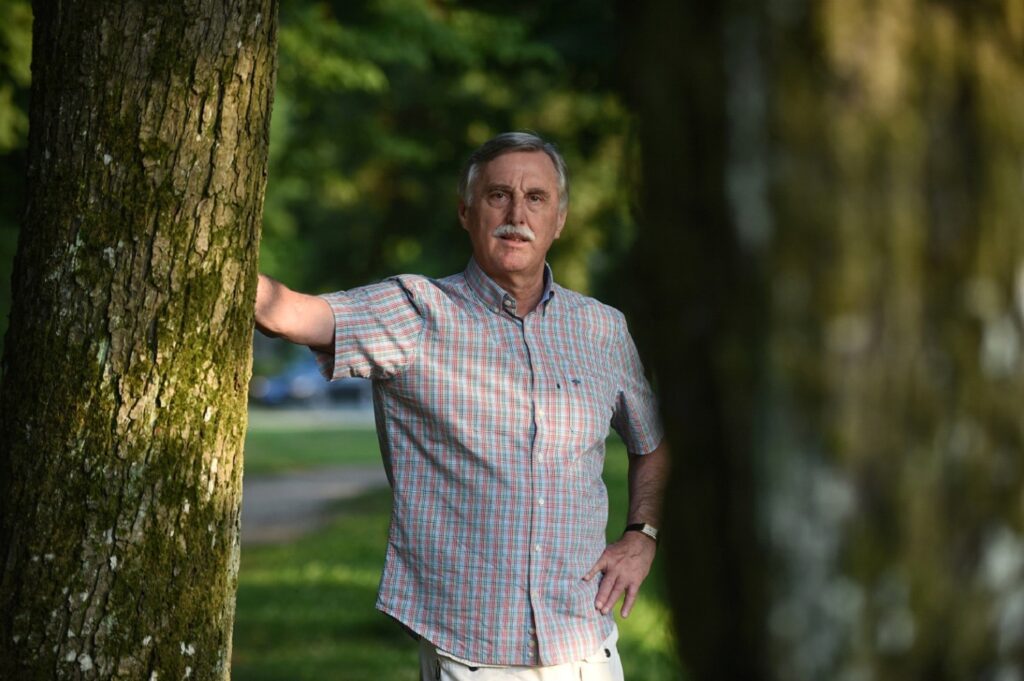
Danko Plevnik, Karlovac, Croatia

You travelled a lot, you visit different countries. Can you tell us a little more about this period in your career.

In the former state of Yugoslavia, I was involved in domestic politics. When it disintegrated and new states emerged, I immediately became an expert in international politics. Some embassies read my texts, so I was invited to the USA, Cuba, Sweden, Japan, China, Albania several times … As a member of the Association of European Journalists, I went through a good part of Europe. I followed four U.S. presidential elections and crossed America from Buffalo to Miami, from New Haven to San Francisco. In America, a journalist is a privileged person because Americans know what media freedom is, but also what is the price of media propaganda. I visited Cuba in 1987. I got a driver, a guide and an interpreter. I was supposed to do an interview with Fidel Castro, but obviously my questions were too journalistic so he declined the interview. I was a columnist for Hindustan Times in New Delhi for a year and a half.

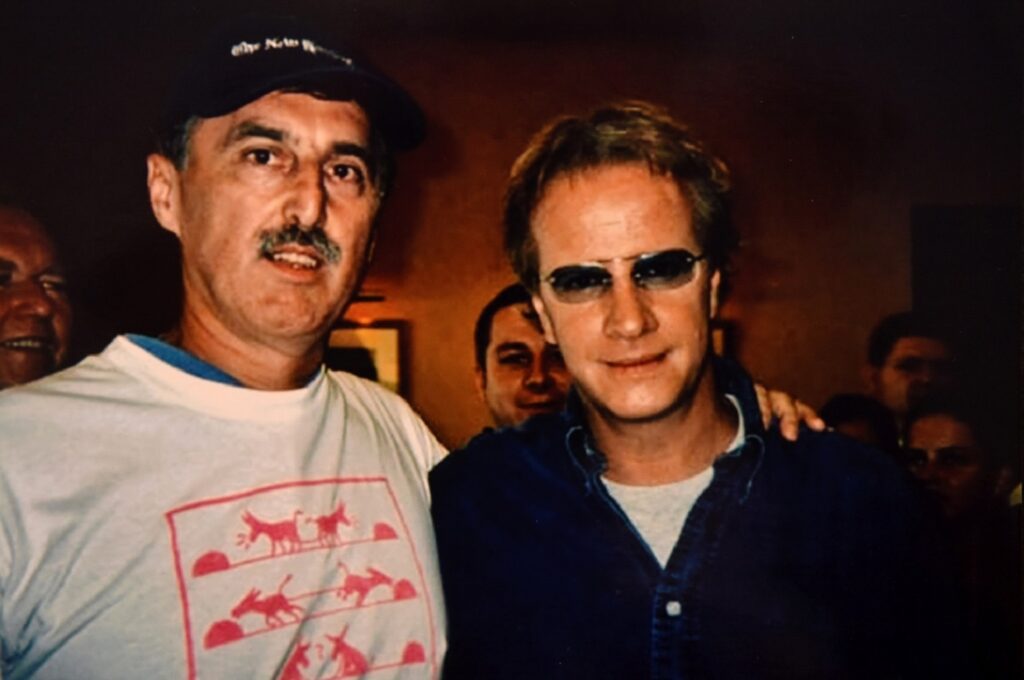
Danko Plevnik with Christopher Lambert

And you met also many important persons. Maybe if you can present some of them.

So far you’ve been asking me to talk a „little more“ about myself and travel so I don’t know how „little more“ space I have for interesting people. As a journalist who wrote the book New NATO or Old Geopolitics, which I dedicated to father of modern American diplomacy George Kennan, I was pleased to meet the coryphaeus of American geopolitics, Zbigniew Brzezinski. I met Vaclav Havel in Vienna 1999. The leading European intellectual Jürgen Habermas, with whom I had an interview, remained in my memory, and I also met Pope Paul VI and the leading Catholic theologian Hans Küng. In New Haven, I met Paul Kennedy whose book The Rise and Fall of the Great Powers in the late 1980s was one of the most cited books and Eugene Garfield one of the foundres bibliometrics and scientometrics, by his edition of Current Contents and Science Citation Index (SCI). I met also Swedish Minister Anna Lindh couple of months before her assassination.

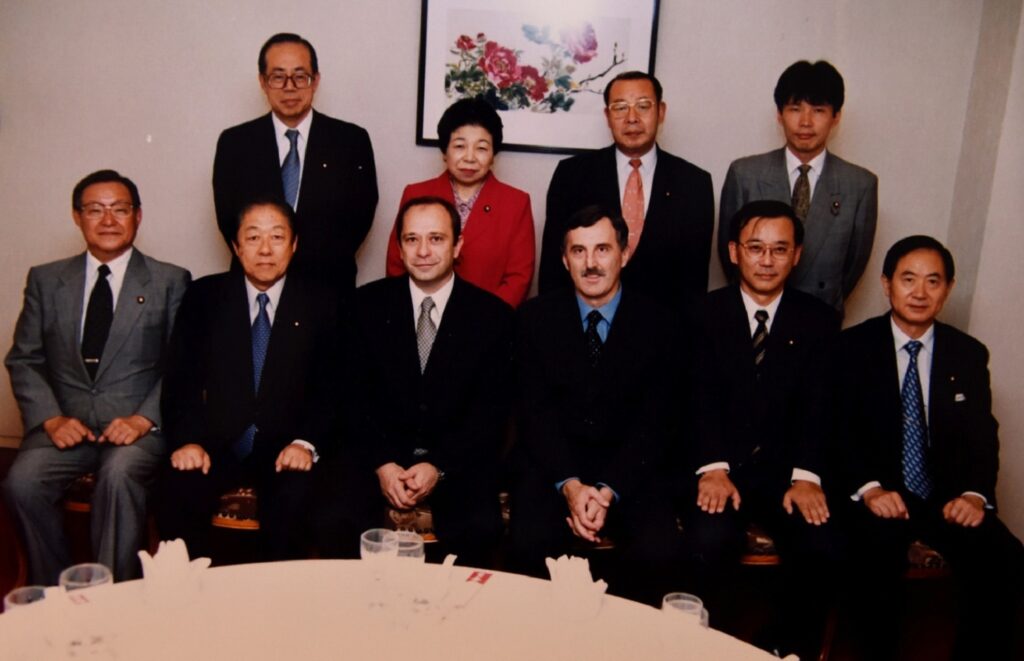
Danko Plevnik with with Japanese parliamentarian group

You have a long year experience, starting from reporting in the time of “old Yugoslavia”. What was the difference of the journalism in that time and today?

When we talk about Yugoslavia, we are talking about socialism. Clearly, this was neither the time nor the birthplace of press freedom. Censorship prevailed among editors and self-censorship among journalists. However, there have always been journalists who could and should have shown a more critical attitude towards the search for truth. I once talked about this with the late writer Mirko Kovač, who agreed that the age of censorship was a fertile ground for developing aesthetics and writing style because it was the only way out for real journalists. After the fall of the Berlin Wall, journalism became freer in Yugoslavia as well, and journalists fought mostly for media independence. There is no such passion in today’s journalism, the journalistic profession has been reduced to a begging for poor salary, the media have been taken away from journalists, but journalism is still the driving force of society because it is impossible to ban real journalists.

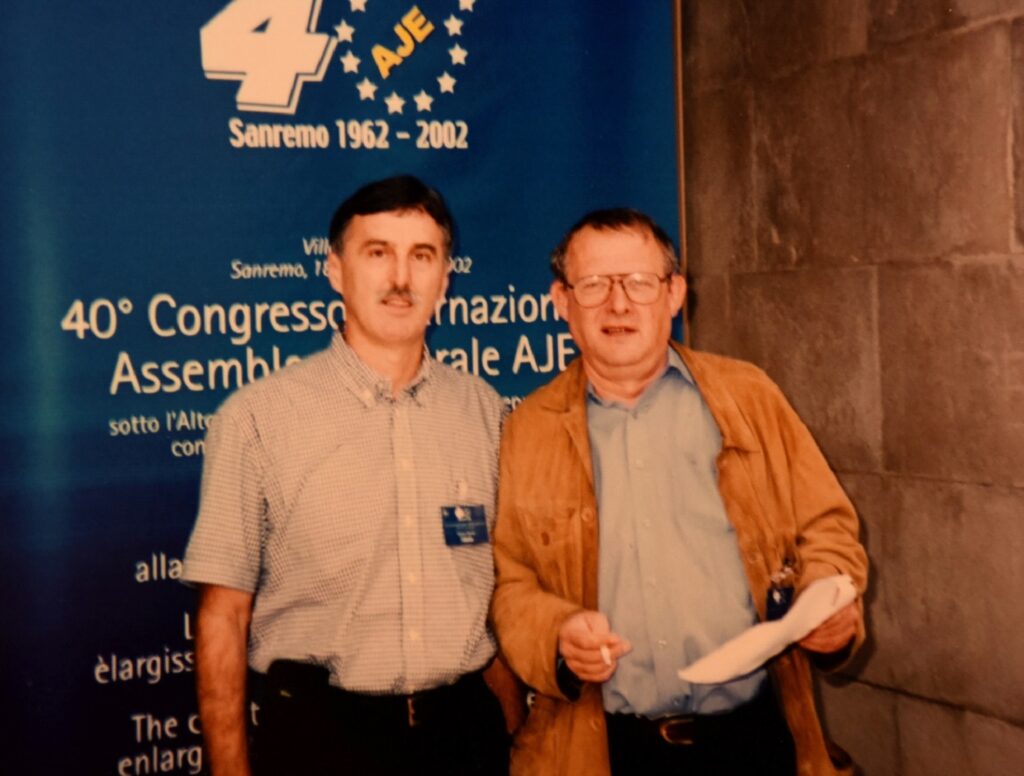
Danko Plevnik with leading European and Polish intellectual and journalist Adam Michnik

What was your biggest challenge as journalist?

Staying professional in the middle of a war when everyone demands that you not be professional in the name of patriotism. I wanted to tell my readers the facts and explain them, not be a blind and deaf “media battalion” without compassion for the truth and different citizens. Of course, they threatened me for that and once tried to liquidate me, but I did not make it public, as it is a risk of the profession. Remaining a normal man is not only an ideal for a journalist but also for all other professions in the crime of war. I condemned war criminals publicly, but I placed the greatest responsibility on those who organized the war crime.
In peacetime, I have always preferred journalism not only as a kind of analysis but also as a prediction. In April 1992, in Little Rock, I stayed at Bill Clinton’s headquarters and predicted his and All Gore’s victory over George Bush, although he then had a 30-point lead by the polls. The biggest challenge for a journalist is to learn how to suppress their own vanity. In April 1992, I was a guest of parliament in the state of Iowa in the United States. When they heard that I had become the journalist of the year in Croatia for 1991 and 1992, the whole parliament rose and gave me a standing ovation. Fame can also corrupt.
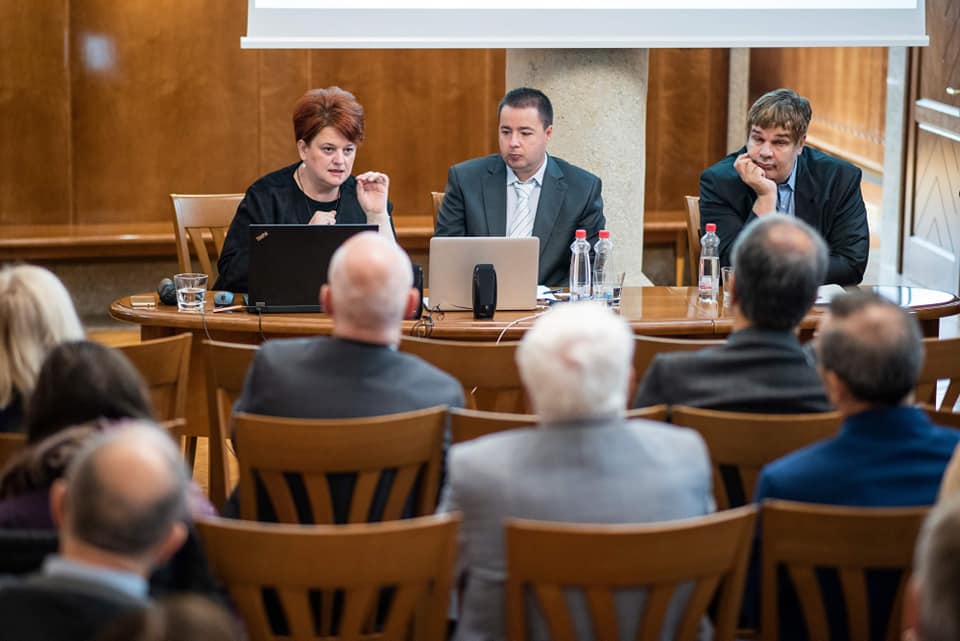
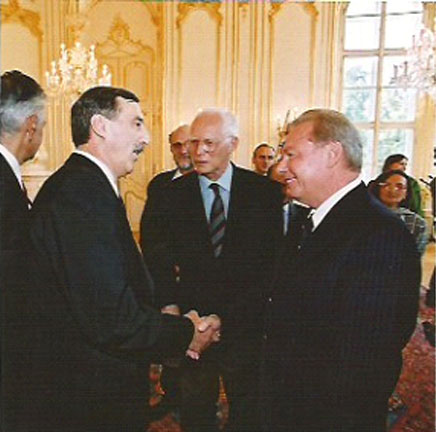
Danko Plevnik with President of Slovakia Rudolf Schuster 

But you worked from a smaller town in Croatia – Karlovac. What is the difference of being journalist in a smaller town and the capital?

In the age of the corona virus, everyone started working from home. I have worked from home for almost my entire career. Before I became a journalist I was a librarian. I wrote one scientific article Reading – The most important concern for a university in the Journal of Reading 1981. Prior to its publication, I received a telegram from The President of The Rockefeller University Joshua Lederberg to send him a reprint of this article of mine. Most Nobel laureates in the world come from that university. As my dear professor from the University of Zagreb Božo Težak said, it is not important where you live but what sources of information you can get and know how to process them. The advantage of living in a small town is that it frees you from being too close to politicians so that you can keep a proper distance from them. For example, I wrote global topics in a regional daily such as Slobodna Dalmacija, which delighted Mariana Stoican, editor-in-chief of International Radio România International.

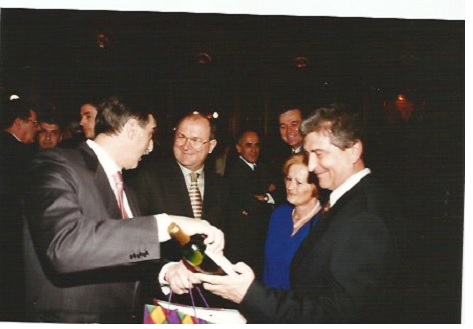
Danko Plevnik with former Prime Minister of Bosnia and Herzegovina Hasan Muratović (right) and his wife Mulia and Croatian Minister of Foreign Affairs Mate Granić

Your work is connected to the South East Europe Media Organisation (SEEMO) from the start of our organisation. How important is SEEMO for you?

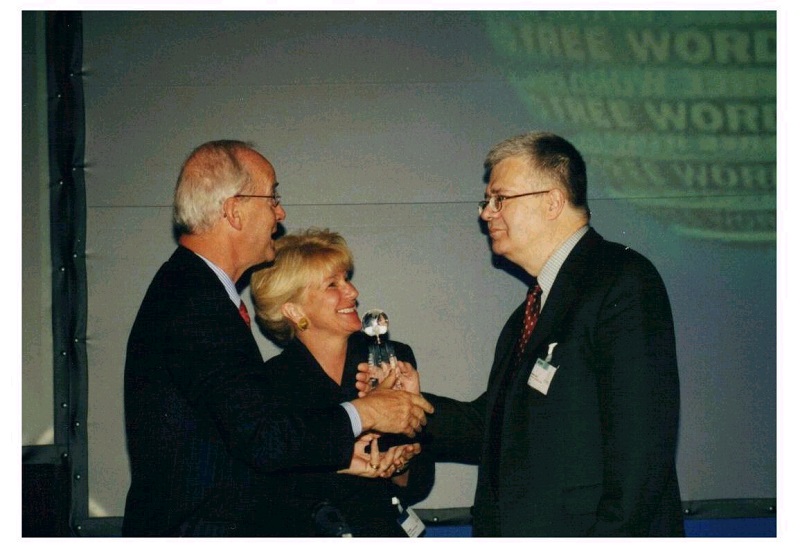
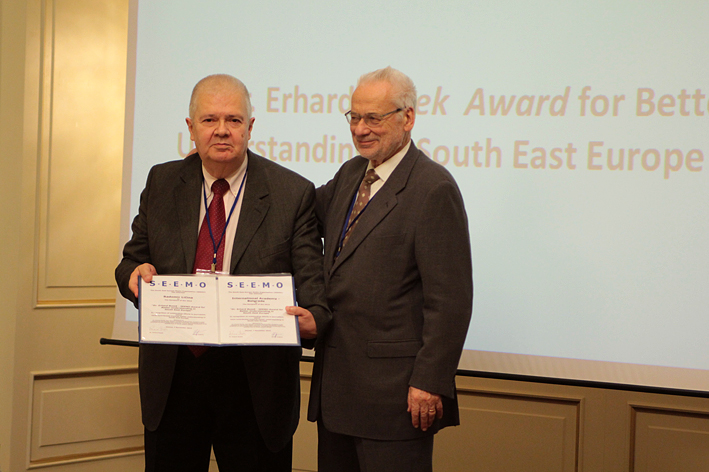
SEEMO was created by journalism experts, university professors and distinguished journalists. When I received the “Dr. Erhad Busek” award from such a group of people, it resonates from Poland to Turkey, that is, from all the countries that participate in the concept and in the SEEMO process. I participated in a number of well-organized conferences and left them forever enriched by the knowledge and experiences of those who were on the same level of journalistic achievement. SEEMO was one of the organizers of the world press congress in Ljubljana, where I had the opportunity to personally meet the editors-in-chief of the world leading newspaper such as The New York Times and Neue Züricher Zeitung and many prominent world journalists. SEEMO is an indispensable association when it comes to considering the perspective of the development of journalism and the protection of human, civil and professional rights of journalists and the media freedom and quality in Eastern and Southeastern Europe.

How you see the political situation today in your country and the role of politicians? Situation of media?

Croatia recently had parliamentary elections. The results are largely similar to those for the European Parliament election last year, where nationalists and populists were defeated. After 25 years of unacceptable stalemate between Croatian politics and Croatian Serbs, there has finally been a shift, from the militaristic past to a universal civic future. The most deserving of this is the Prime Minister Andrej Plenković, who with his personality and European style won the elections for the Croatian Democratic Union. Unfortunately, the media have been at a low level in the past. This is especially true of Croatian Radio Television, which I do not remember in a worse edition. Mitja Meršol, the editor of the best Yugoslav daily Delo from Ljubljana where I was guest columnist, once told me that Croatia has better journalists and Slovenia better editors. I agree with this because Croatian editors unnecessarily and insanely give space to people who behave unconstitutionally and spread hate speech.
If in the past it used to be read between the lines, today it must be read between the media because only if you follow all the media only then can you get more complete information. The Croatian Journalists’ Association is facing bankruptcy due to a long and unfair trial. Maybe something will change since the Ministry of Culture and Media was established.

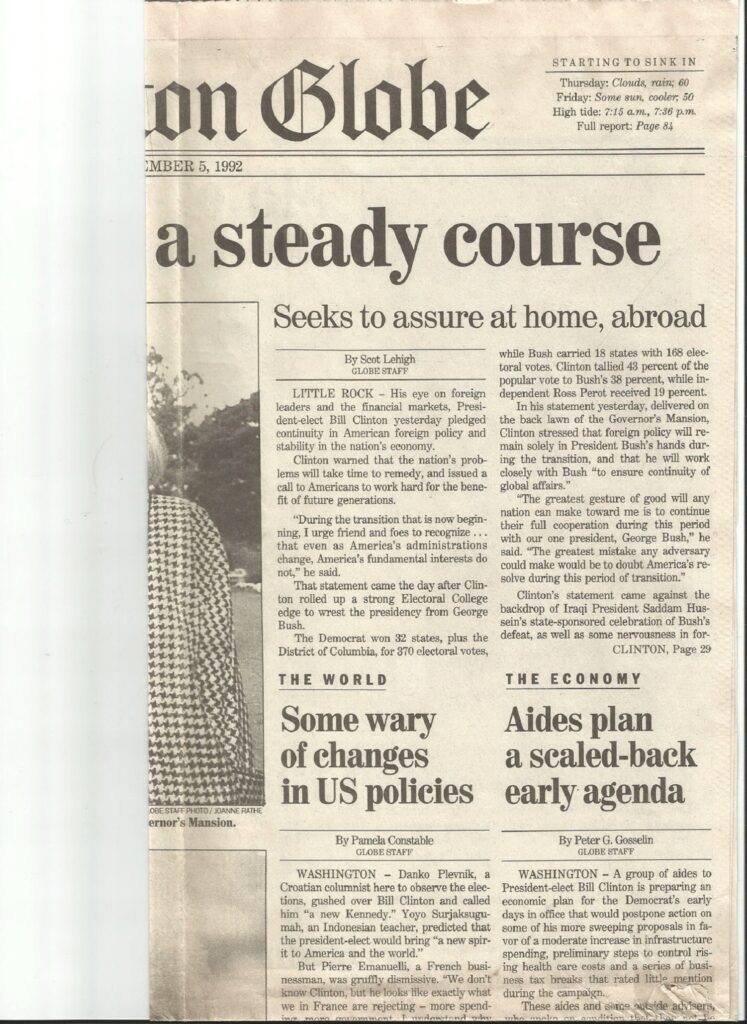
An article by Pamela Constable in Boston Globe with a statement by Danko Plevnik of the presidential victory 1992 of Bill Clington

And in Europe… Worldwide?

The news paradigm has changed. Now the newspaper is announcing how many minutes it will take to read an article because it is still not read with a remote control, the way television is viewed. The contents are in the tabloid manners and the quantity of tweets is ideal. Globalization has narrowed the gap between global, American, and European media, as online journalism and social media set the pace. Yet even avalanches of information are unable to interpret an event and dispel the possibilities of an outcome. Journalism is in crisis, but it is actually looking for the best journalists. Because who can verify the real face of an event as soon as possible? Only educated and experienced journalists! My doctoral mentor, Professor Pavao Novosel, said in the late 1970s that all citizens would become journalists, which came true because everyone tweets everything and takes photos. However, the news is not a comment, it is not an understanding. In an effort to save profits, media houses sacrifice their best journalists, at the same time wondering that the decline in quality does not raise circulation.

Please walk us through a typical workday. How do you manage your time today?

There is no mystique here. I have breakfast after 8 in the morning and watch CNN, BBC, SKY, France 24 at the same time, and N1 from franchise CNN and sometimes Al Jazeera Balkans. For about half an hour I read the mails and online edition of The New York Times and several portals. At 10 I leave the apartment. As I walk, I call my friend Zvonko Kusić, former president of Croatian Academy of Sciences and Arts who is prime minister Andrej Plenković’s social affairs advisor. I meet friends, I rarely sit down for coffee, I’m not a typical journalist, I flip through the newspaper at the Youth Library, I buy bread and what I need. At 11 a.m. on WhatsApp, I am working on a book Humanity without borders about Srđan Kerim through dialog with him who was Minister of Foreign Affairs of Northern Macedonia and President of the 62nd Session of the United Nations General Assembly. At 1 pm I watch the best TV News in the region of Radio Television Slovenia. At 2 pm, my wife Jasna also informs me about what she read in The Guardian and what she writes for some important Chinese media, since she is the president of Geoeconomic Forum and one of the biggest European experts for China, where she goes six or seven times a year with former President Stjepan Mesić. After lunch I watch Iranian director Ashkan Najafi movie The Red Hatchback on HBO and then I work on my trilogy book about so cold small and big fellow citizens. I like to be in bed the most, this is my cottage, where after a long time I read Slavenka Drakulić’s book They Would Never Hurt a Fly. We go for a walk in the cemetery because there are no people there, and then no corona. When I get back I read Roman Farrow’s book War on Peace: The End of Diplomacy and the Decline of American Influence. After dinner, we watch Czech drama television series about 1989 The Sleepers on HBO about Prague where MI5 and FSB were fight during the transition. Before midnight, control the portals so that I don’t miss anything before going to bed. I don’t want the outbreak of World War III happening behind my back.

Danko Plevnik in front of Zaha Hadid building in Antwerp with son Natko 2019

How you see the future of media? Especially print media.

In the English Information design journal I published 1984 an article The implicity of simplicity: toward the theory of individual information. That was prophetic thinking. At that time, the mass media prevailed and there was no IT structure for personal information. The 2016 U.S. presidential election showed what Facebook and Cambridge Analytica can do with personal data. Global social networks are able to instantly gather information about the interests of many citizens who use them. The predominance of electronic media gives the impression that the end of television and paper media is approaching because young people are completely committed to information and communication technologies and cannot do and live without mobile phones and laptops. Former head of the BBC and The Neew York Times Mark Thompson dreamed of a combination of newspapers modeled on Netflix. The best newspapers are still one of paper. Why in the digital age despite cell phones do people have a need for watches? Shouldn’t it be the same with the best newspapers?

Finally, as press freedom and democracy is very important in your life, can you give please some advice for younger journalists?

At a press conference in Thessaloniki, young journalists complained to the elderly, which I immediately condemned saying that there are no old and young journalists but good and bad. Young people may have more strength for new illusions, but old people also know from experience that the point is much deeper. Anyone who wants to pursue journalism must believe in themselves regardless of who is currently in power in politics or the media. Existing media pluralism in itself ensures freedom of publication. Ronan Farrow (1987) is an American journalist, son of actress Mia Farrow and filmmaker Woody Allen, known for his investigative reporting of allegations of sexual abuse against film producer Harvey Weinstein, which was published in the magazine The New Yorker. That investigative effort contributed to development of the #Me Too movement.
Journalists should be taught about real relations in the all media and the newspaper market, not just learn the alphabet of journalism that is in conflict with editors or colleagues who for corruption reasons do not want to publish the truth.

Interview with SEEMO Founder and Member Radomir Ličina (July 2020)

July 22, 2020 disabled comments

Waiting for the new Thomas Jefferson

Interview with Radomir Ličina (July 2020)

Tell us a little about yourself, including how you got started as a journalist?

I was born in Belgrade under German occupation in 1944 and after the liberation lived in the same city as the resident of four ‘different’ countries. That paradox tells a lot not only about my home town and the country, but I think about whole region too. It seems that the people and the nations living in South-East Balkans do share many roots, traditions and cultural values, but were too often inclined to stress genuine but much smaller differences between them, developing at the same time a sort of ‘victimization’ myth, blaming all their neighbors for all their troubles in the past and today.
Though the life in my early years in one-party system was not very rosy, I had the luck to grow up in the city which in then bipolar world was essentially cosmopolitan more than many other in its Western parts. That contributed to the fact that being a ‘Belgrader’, despite my national (Serbian) roots, I really felt much more as the citizen of the world. Since I was a bit idealistic, though aware of the global realities, it seemed to me tempting to try to know more about the others and international relations and to use the chance of working in the foreign desk of “Borba”, the only federal daily in then socialist Yugoslavia.

You have a long year experience, starting from reporting in the time of “old Yugoslavia”. What was the difference of the journalism in that time and today?

My journalistic journey began in 1969. Tito was alive and well, and socialist Yugoslavia did function rather fine between two blocks. Of course, working in the foreign news section was easier than covering internal political, social and economic matters. Practically, there was only one ‘taboo’ in that field. Of course, it was non-alignment movement and Tito’s role in it. Though we applied a sort of self-censorship when we had to cover that subject, we dared to be more or less critical when we evaluated the events in some member countries and wrote about them.

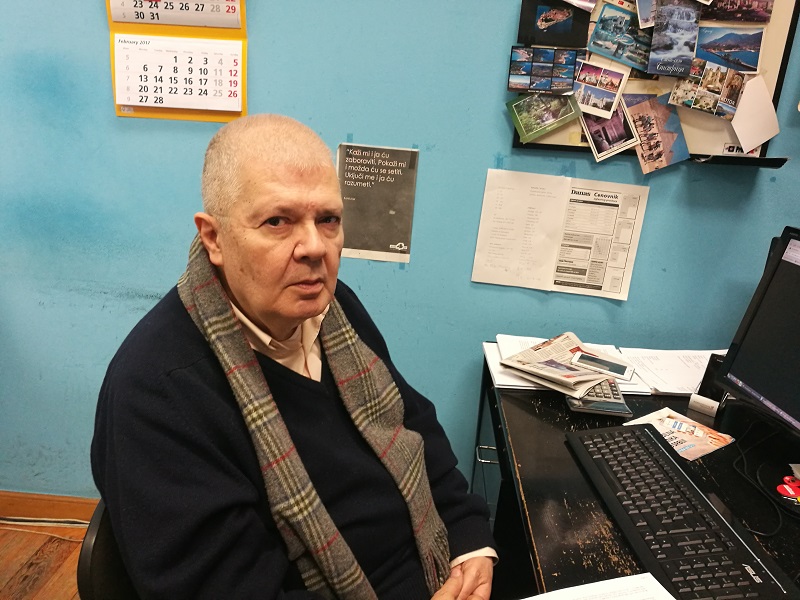
Radomir Licina in his office

It may, probably, sound like overstatement, but I’m confident that journalism in that time was more professional. Let me say that a year before I started to work as journalist, in 1968, professor John C. Merrill at the University of Missouri’s School of Journalism made a list of “the most qualitative or prestigious” elite newspapers in the world. “Borba” was among them, holding a solid 8th place.

What was your biggest challenge as journalist.

No doubt, it was a decision to join a group of colleagues who decided to challenge Milosevic regime in the second half of Nineties and start the politically independent daily “Danas”, leaving more or less safe havens under the state umbrella and jump into cold and troubled waters of private enterprise. But, it was the part of a much longer process, which started in late Eighties, in old “Borba” (the first politically independent daily in former Yugoslavia) and then “Nasa Borba”. It seemed like desperate, almost suicidal, idea at that time and we really went through ‘thick and thin’ in the first several years, though we had an international (financial) support that was valuable but not big enough for a national political daily.
I used to call these early years ‘a heroic age’ of “Danas”, though we maintained our path, and our mission, even after Milosevic was gone. And I do not regret a single day of that journey, though we had to surmount many obstacles and challenges. This June, we celebrated our 23rd birthday. Hopefully, it will not be the last one.

You travelled a lot, you visit different countries. Can you tell us a little more about this period in your career.

That period was completely different age. “Borba” was not a rich newspaper, but even we had several permanent correspondents in different capitals, not to mention special reporters. The people in general, worldwide, were much more interested in what was going in different parts of the globe. I got the chance to see many countries and to meet much more people in Europe, Asia (including Middle East), Africa and North America.
Unfortunately, globally, too many people lost any interest about what’s happening in other parts of the world – except when it was connected to the interests of their own country. Even some big and rich newspapers in developed and well-off states do not have correspondents or bureaus in faraway places anymore, nor even in their own countries!

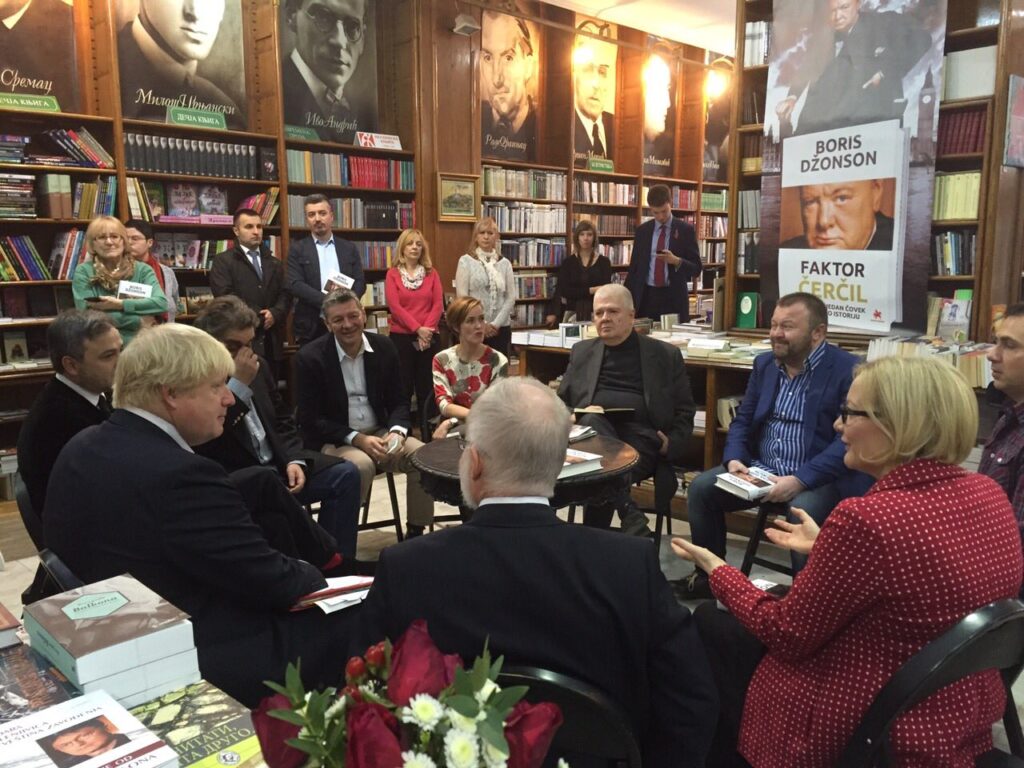
Boris Johnson, UK Prime Minister, Radomir Licina and a group of Serbian Journalists in Belgrade, 11 November 2016

And you met also many important persons. Maybe if you can present some of them.

Yes, I met some globally ‘important’ people, talked to them, made many interviews with presidents, prime and foreign ministers, but I was much, much more impressed by ‘non-important’, ordinary men and women, who happened to speak English, and lived in India, USA, Iran, Finland, Greece or other countries. Like me, many preferred to be ‘citizens of the world’.

You worked in the daily Borba, after that Nasa Borba and today you work in Danas. Can you present short each newspaper where you worked.

Essentially, I do not make any difference among these three newspapers, since all of them were serious and qualitative dailies, which paid and pay a lot if not everything to the issues of res publica, public interest. All three were national, but not nationalistic dailies. And all of them had strong anti-war and open-minded editorial policies, which are essential for any civilized and democratic contemporary society. I have to add that in Ljubljana 2002 “Danas” received prestigious award Pioneer of Free Media by IPI and Freedom Forum.
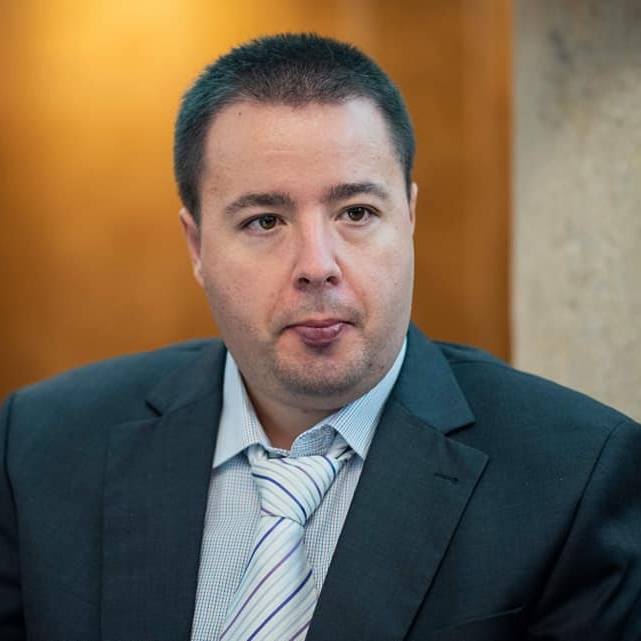
You are co-owner of Danas. How hard is to own a newspaper in Serbia today.
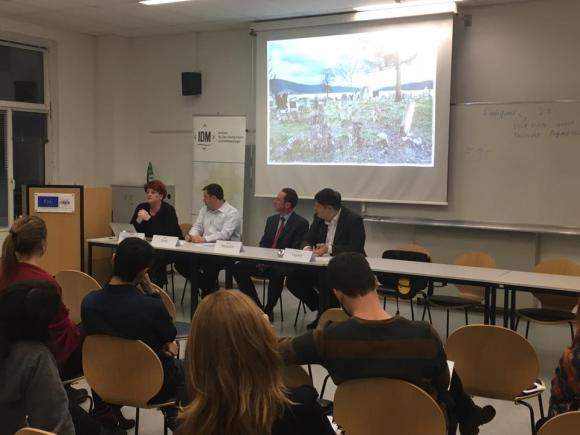
Yes, I’m one of the now six co-owners of “Danas”. This job sometimes seem to be a sort of ‘mission impossible’, since we do not have real market and real democracy and are confronted with almost unimaginable number of problems in everyday’s work, since we do not belong to any political or interest group as our financial, political or social back-up, except our readers, of course. But, alas, due to everything this society went through during the last thirty years, there are not too many of them. The tide of tabloid journalism was and is too high and the people sometimes do not have enough time or will to read in-depth articles and analyses, which would help them to understand better our past, present or future needs and realities.

Your work is connected to the South East Europe Media Organisation (SEEMO) from the start of our organisation. You are one of the SEEMO founders. How important is SEEMO for you?

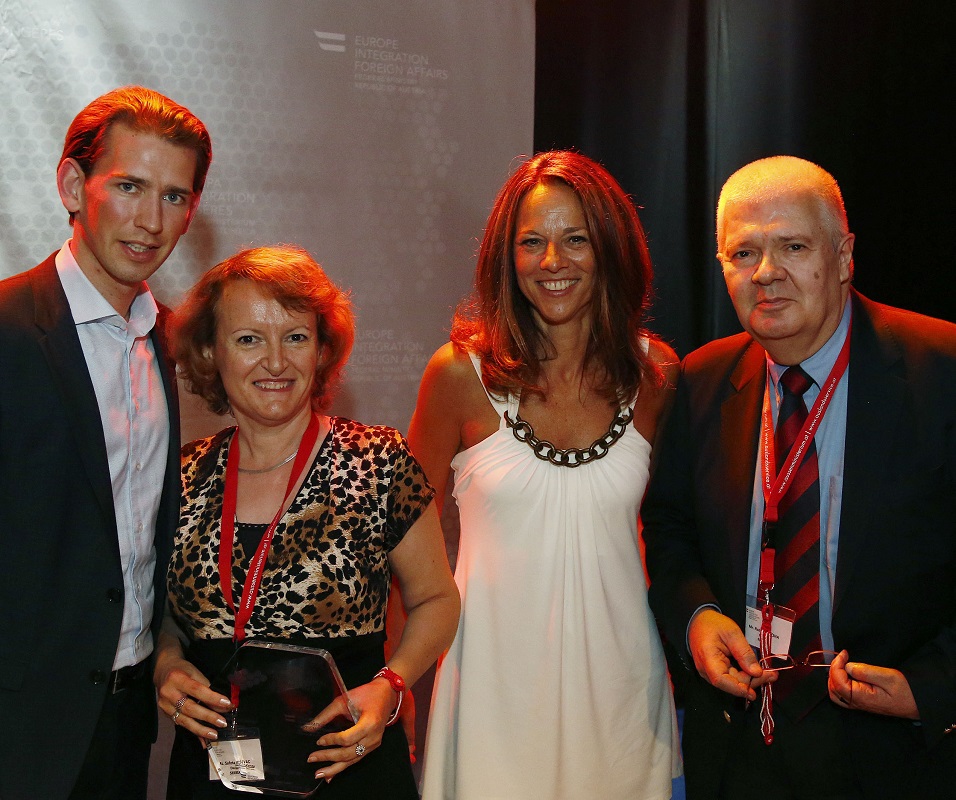
Vienna Intercultural Achievement, September 2015, Sebastian Kurz, Safeta Bisevac, Vera Russwurm, Radomir Licina

From the beginning of our organization, in Zagreb 2000, I thought it was vital for our basic duty to inform the citizens of our societies in unbiased and professional manner and to work on better understanding in the region. Twenty years later, and after organizing countless activities in the meantime, I’m certain that we did a great job. Looking at the current realities in the region, it may not seem so at the first glance, but each and every meeting, conference or forum we organized in that period showed loud and clear that most of the journalists from all countries do share same problems and challenges, but also same principles and values which are crucial for their indispensible job.

How you see the political situation today in Serbia and the role of politicians?

Unfortunately, we again have a sort of autocratic regime which occasionally tends to behave like dictatorship. Regrettably, the behavior of international factors toward Serbia is not always resolute and clear, or even impartial, enough. It is very handy for the ruling cast, and even opposition parties, to manipulate the public and to promote their private schemes and corrupt businesses without real political or legal consequences. Connected with deeply spread criminal structures, politics today is the most lucrative and profitable business in Serbia. The only losers are, of course, the majority of ordinary people.

Situation and role of media?

It is even worse than in the era of Milosevic, politically and economically. Except few independent voices, Vucic’s regime controls the bulk of existing media, including all major TVs with national frequencies, and all tabloids with sizable circulation which actually are open mouthpieces of Vucic’s propaganda machine. Like in Milosevic time, these small number of free media again are the targets of numerous attacks, as ‘foreign mercenaries’ and ‘domestic traitors’.

And in Europe… Worldwide?

Generally, media scene gives rather gloomy sight even in the most developed and democratic countries. The neoliberal globalization took its toll, and almost everywhere the profit and greed prevail over all other values. It happened even to some media which once were the beacons of liberty and independent opinion.

Receiving IPI-Freedom Forum Award in Ljubljana 2002

I know it will sound strange, almost irrational for many, but I still wait for the statesman, not the politician, who will say something like the one of the US Founding Fathers Thomas Jefferson, who wrote in 1787 (!): “Were it left to me to decide whether we should have a government without the newspapers, or newspapers without government, I should not hesitate a moment to prefer the latter.”
Of course, being a realist, I am aware that I shall not live long enough to hear or read similar statement, but nevertheless I do believe in these words.

Please walk us through a typical workday. How do you manage your time today?

It’s difficult to describe my ‘typical’ workday. It is not only because of my age, but also Covid-19 factor. I go to the newsroom every now and then, like many other colleagues, and keep the contacts mainly via phone, or through Internet. New technologies brought some good things too, so I follow some of the world mainstream media through their applications on the Web. Though I get a PDF edition of “Danas” every day at midnight, I still go out for a short walk tomorrow to buy the print edition of the newspaper. Also, I pay less and less attention to television, since I sincerely despise so called ‘infotainment’.

How you see the future of media. Especially print media.

In today’s world, and after more than fifty years of journalistic experience, I really do not dare to predict anything. It seems certain that printed press will survive in some form, like the book survived after the surge of the newspapers. But, how their niche will look like, I cannot tell, though I agree with Juergen Habermas that states should support the existence of qualitative print dailies, since they seem to be the best source for reliable and true information in this time of so called ‘fake news’.

Finally, as press freedom and democracy is very important in your life, can you give please some advice for younger journalists.

Very simply speaking, ask yourself everyday what are you by profession? Are you a Serb, Albanian, Croat, Bosniak or whoever else by occupation, or are you the journalist? The latter is the only way to do our job well.

Radomir Licina, Winner of Erhard Busek-SEEMO Award for Better Understanding in the Region, Bucharest, 2015

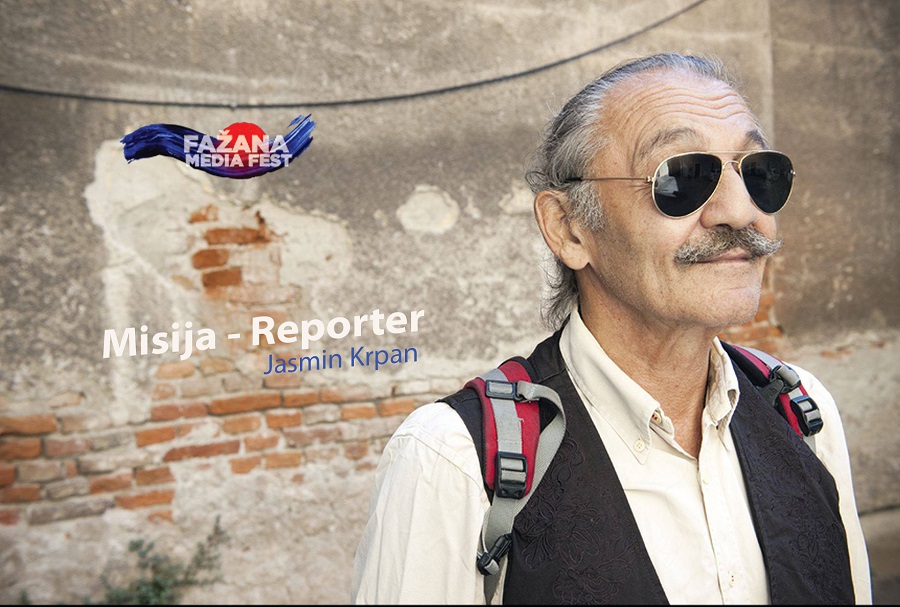
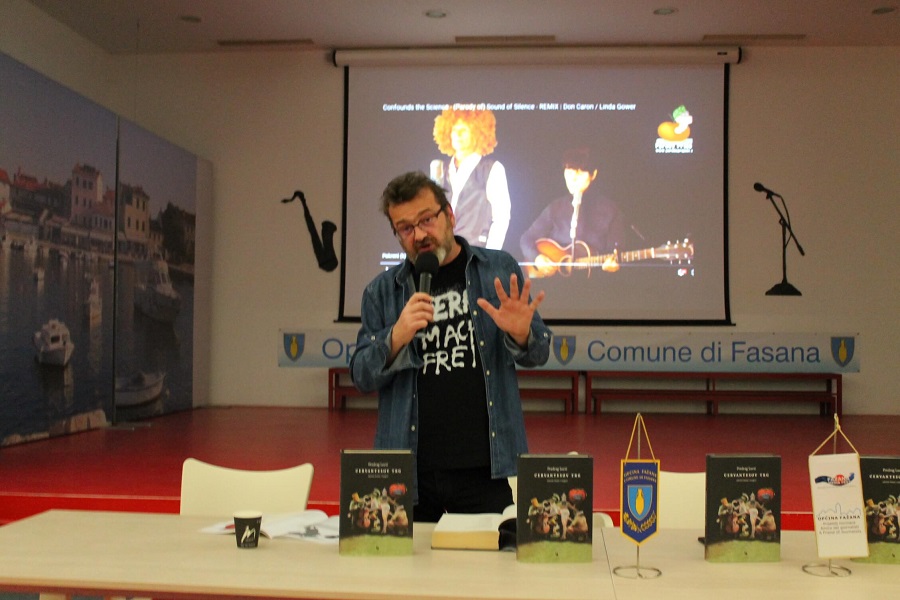
Saša Leković, Fazana, Croatia: Festival in September 2020

July 16, 2020 disabled comments

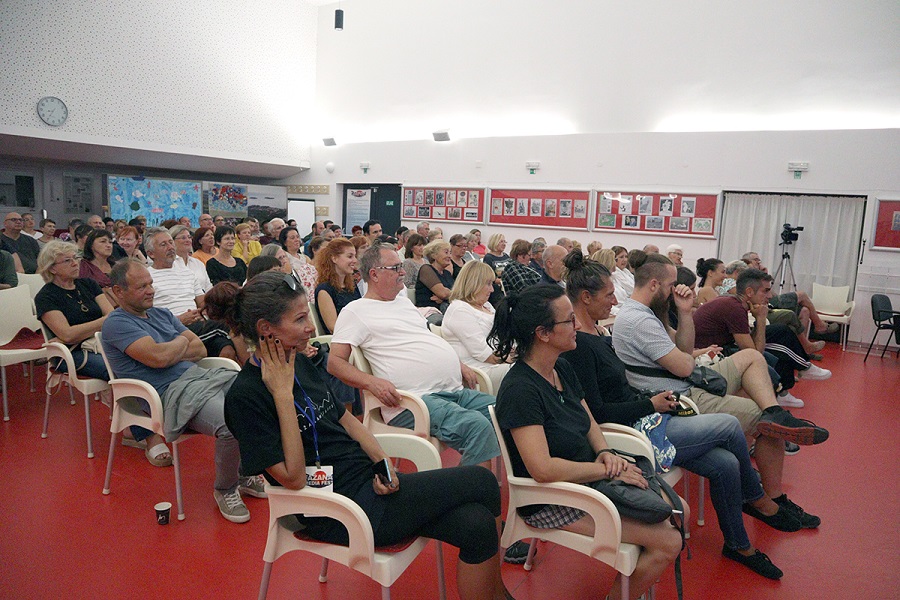
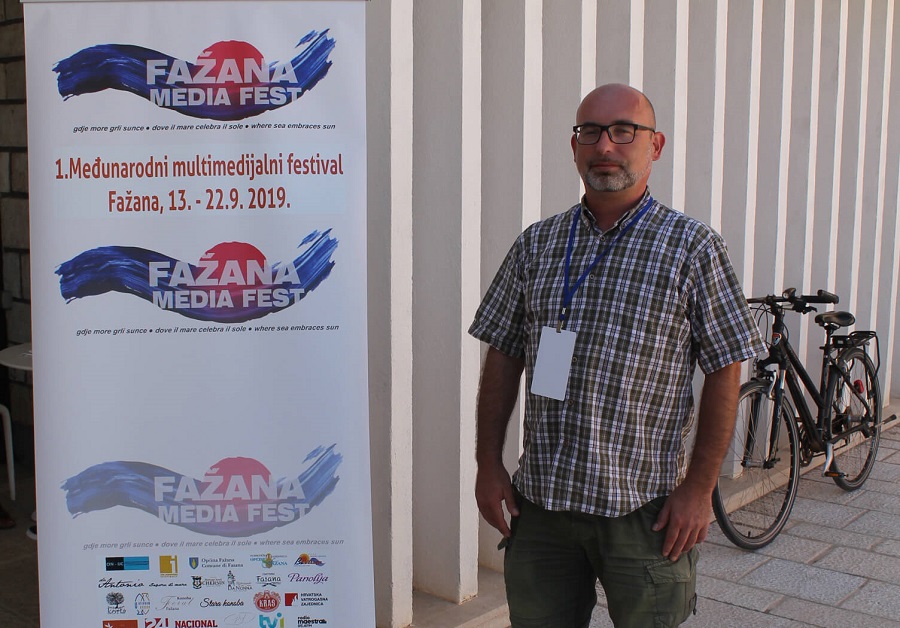
In September this year, from 6th to 13th, 2. Fažana Media Fest will take a place in Fažana/Fasana, small municipality center at Adriatic Coast, not far from Pula/Pola, capitol of Istria region in Croatia.
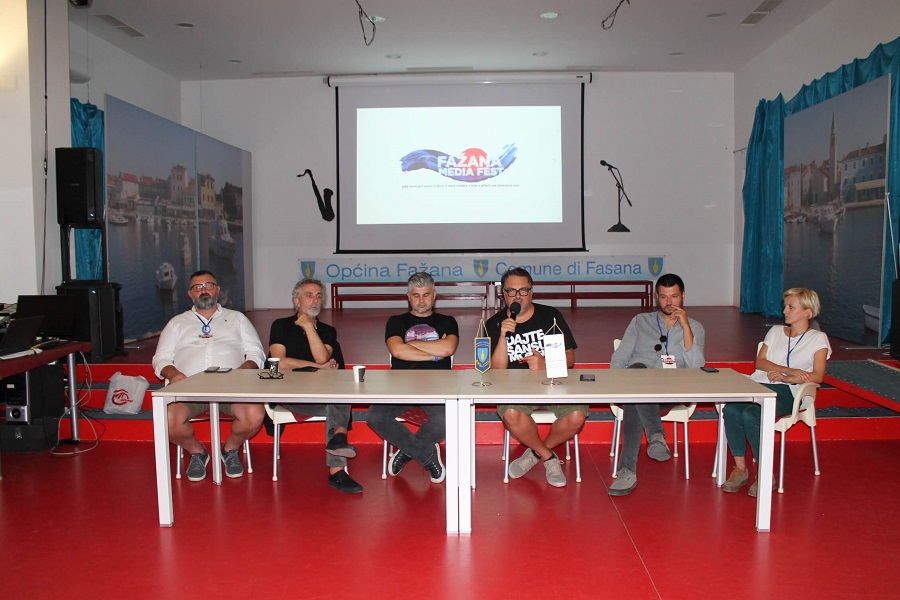
Fažana Media Fest (FMF) is international multimedia journalistic festival organized by Investigative Journalism Center based on Fažana and co-organized by Municipality of Fažana, Toustistc Office of Fažana and NGO Informo from city of Vodnjan.
There are three basic pillars FMF is built on: supporting to ethical and professional journalism principals, cross-border cooperation and strengthening of local community capacities.
The first FMF held last year gathered more then hundred journalists from Croatia, Bosna and Herzegovina, Czech Republic, Italy, Slovenia and Serbia.
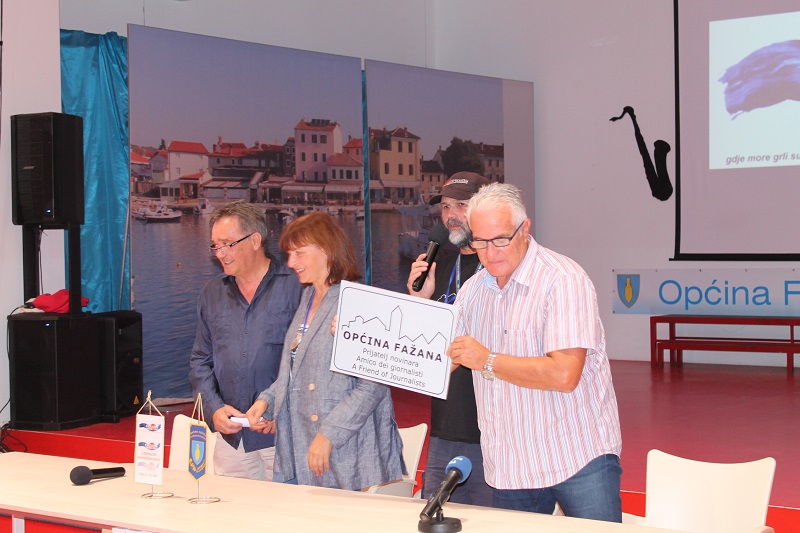
At the opening ceremony Fažana Major Radomir Korać declared Fažana “friend of journalists” as a first place ever. Here you can find information about last year’s festival: www.fazanamediafest.eu 
This year FMF organizers expect more journalists the last year including some from USA, United Kingdom and Sweden. The programme consists of journalism and media literacy workshops, photo exhibitions, promotion of books about journalism or written by journalists, thematic round table, documentaries, theater play and musical events.
The main topic this year will be “diversity reporting” in partnership with Media Diversity Institute based in London.

Anonymous source (SEEMO knows the identity of the source), Belgrade, Serbia (June 2020)

June 30, 2020 disabled comments

Q: Please if you can introduce yourself:
A: I am a whistleblower activist from Serbia and I would like to stay anonymous.

Q: what is your personal view about the position of whistleblowers in Serbia?
A: Whistleblowing as a concept is considered dangerous and undesirable in Serbia. Since Serbia’s justice system is weak and corrupted, people who dare to point a finger on corruption in their working environment can rarely count on winning their case on the court of law. Tools of democracy in Serbia are weak and Serbia is not considered a free country, so there are many well developed ways of revenging to a whistleblower and condemning them to a life without existential or material support.
Extremely corrupted system such as Serbia is in fear of anyone willing to expose its mechanisms of corruption so revenge towards whistleblowers is fierce and it usually involves threats, job loses, pressures, public defamation, intimidation of whistleblower’s family and friends, false lawsuits against whistleblowers and, even, as seen in recent times, unlawful arrest and imprisonment of whistleblowers.
Up until recent times and Aleksandar Obradovic’s case, broader public was not even aware of the whistleblowing as a concept and its definition. Even some prominent and educated journalists and politicians did not understand what whistleblowing is.
There are few high profile whistleblowers who managed to win their cases at the court or they got their jobs back, but with great personal sacrifices and lose.

Q: How is the legal regulation of whistleblowers in Serbia?
A: The authors of the Law for protection of Whistleblowers like to point out that Serbian Law is one of the best in Europe and even across the world. Indeed, at first and uneducated glance, this Law seemingly covers all major weak points of whistleblowers’ protection. It contains strict and defined way of reporting corruption at workplace and the Republic Anti-Corruption Agency has a tool of protecting the whistleblower through giving them a special status which forbids punishment of the whistleblower. However, this Law has proved to have faults which were revealed in full capacity during the last whistleblower scandal in Serbia, when a whistleblower was arrested and held in illegal custody while having no right to claim a whistleblower status as he was accused of “unlawfully revealing state secret data to the public”. While Law for protection of Whistleblowers defines ways of reporting information on corruption through internal and external institutions and agencies, especially if this information contains protected or secret data, it does not say to whom or where to report irregularities when absolutely all, including highest state, institutions are corrupted. As it turns out, this Law does not protect when we have cases conducted by the highest state officials.

Q: How are state institutions protecting whistleblowers in Serbia?
A: There are few designated state institutions and agencies to protect whistleblowers. Besides usual ones, such as inspections, prosecutors, courts of law and police, Serbia has also a Republic Anti-Corruption Agency. You can say that everything functions on paper. All rule of law mechanisms are present and seemingly do whatever they are supposed to do. This is up until a person actually reports corruption in their working environment. Broader public will almost never hear about such cases. They are dealt with far away from public eyes and, very often, mainstream media, which are usually in the regime hands, will never report about them. These individuals fight their fights almost alone or with the help of handful of lawyers specialized in whistleblower protection. Republic Anti-Corruption Agency will give a special whistleblower status to these individuals, but the Agency itself has a shaken authority, undermined by the fact that it also serves to the regime needs. Justice for whistleblowers is achievable almost only when that does not endanger the interests of the ruling cast.

Q: How dangerous is to be a whistleblower in Serbia?
A: Since Serbia is a corrupted society where people, especially politicians, are often not even aware of the fact that some behaviors represent corruption and conflict of interests, every individual who dares to point out the corruption is subject to immediate pressures from their close surrounding, starting from their family and friends to their workplace and public. Whistleblowers usually lose their jobs and existential security, they face difficulties of finding another job and if their whistleblowing is related to public and state institutions they may face serious retributions from powerful officials who may use corrupted judicial system to revenge.

Q: Can you please give some examples from the past years:
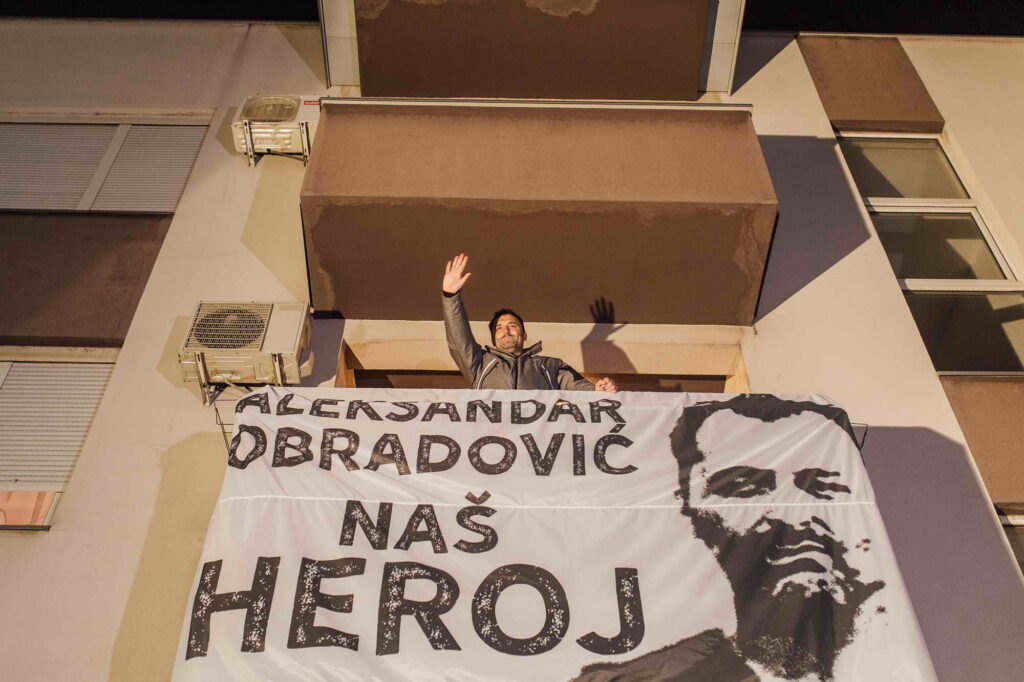
A: One of the most important whistleblowing cases in Serbia, which has a potential to influence changes in broader understanding of corruption and its negative impact on rule of law and everyday lives of citizens of Serbia, is the Krusik case – a case where a whistleblower Aleksandar Obradovic has discovered high level corruption in state-owned arms factory Krusik. This discovery has revealed financial malversations and illegal arms trade involving closest family of one of the highest Government officials –Minister and Deputy Prime Minister. This case has also revealed all of the weak spots of the Law on protection of Whistleblowers and Serbian judicial and police system as the whistleblower was illegally imprisoned at first. Now he is waiting for the trial although Prosecution has no proofs to accuse him. Aleksandar Obradovic’s human rights have been brutally violated and he is still in some sort of a limbo state: waiting for a trial which seems like it has no intention to happen soon.

Q: Can whistleblowers fight alone for a better position in Serbia?
A: Whistleblowers in Serbia cannot fight their battles themselves. They need international help in the form of the support of Council of Europe and European Union institutions and international observers to monitor the fairness of the processes they’ve been put through. Sometimes these whistleblowers get a whistleblower status and more often they are sued and mistreated in every possible way, but they always need broader international support for the simple reason that Serbia is undeveloped democracy and it needs to be supported in its democratic processes.

All information and reference, which are contained in this webpage, were compiled after best knowledge and examined with greatest possible care. This disclaimer informs readers / users of the web and information that the views, thoughts, and opinions expressed in an interview by the interview partner or in a statement by the author belong solely to the interview partner / author and do not necessarily reflect the official policy or position of the South East Europe Media Organisation (SEEMO) Assumptions made within an interview-analysis are not reflective of the position of SEEMO. The visitors / users of the SEEMO webpage should take all steps necessary to ascertain that information you receive from SEEMO is correct. We ask every user to check references, double-check information from additional independent sources. SEEMO assumes no responsibility or liability for any errors or omissions, or for the results obtained from the use of information published on the SEEMO website / SEEMO partners website.

Aleksandar Obradović, Valjevo, Serbia (June 2020)

June 28, 2020 disabled comments

Aleksandar Obradović was born in February 1979 in Valjevo in Serbia. He worked in the state-run arms factory Krušik in Valjevo. On 18 September 2019 Obradović was arrested at his workplace on charges of disclosing a business secret, after he gave journalists documents showing that a private company, represented by the father of the current Interior Minister in Serbia, was buying weapons at preferential prices. The Prosecutor for the Cyber Crime said that Obradovic is suspected of tampering with business intelligence. The Belgrade County Public Prosecutor opened a criminal investigation on charges of disclosing business secrets, and on 20 September 2019, the High Court in Belgrade ordered Obradović’s house arrest. On 18 December 2019 Obradovic was freed from house arrest by a Belgrade Higher Court. On 6 December 2019, Obradovic was given the ‘A Good Example of New Optimism’ award by the New Optimism, an NGO run by civic activists and in 2020 he got for his work the Key of the town of Sabac in Serbia.

Source: For SEEMO / Aleksandar Obradovic by Djordje Djokovic

1. Can you please present your case

I was arrested after I have revealed a great number of irregularities and abuse in the way the factory for the production of ammunition, „Krušik “handles its business. I spent in total 90 days in jail and under the house arrest. I am currently a subject to criminal proceedings with a possible punishment between 2 to 10 years imprisonment. The “Krušik” case is a proven, undeniable and undefendable affair which involves the current regime and clearly indicates the manner in which many companies in Serbia function and do their business today. This is a multi-layered affair which encompasses the business dealings of the factory in their entirety for the period between 2014, and 2019, and arises a huge interest of domestic and international public. At the focus of domestic attention is a privileged group of private arms dealers’ companies with close connections to officials and the establishment, which had purchased the factories products at special, privileged prices. At the focus of the international attention is the fact that a great number of these products ended up in the territories which are under the embargo on arms trade.

2. What is Krušik

“Krušik” is a factory well known for the quality of its products all around the world, especially for mortar shells of all calibers, guided and unguided rockets, hand grenades… The factory was established in 1939, and is situated in Western Serbia in Valjevo, about 100 km from capital Belgrade. The factory is state owned. The golden years of the factory were the first half of the 1980’s when it employed over 10 000 people. As result of the UN sanctions against Serbia, the crisis of 90’s and the NATO bombing in 1999, 92% of the factory’s assets and capacities were destroyed. It have greatly affected the further development and functionality of the factory. Today, the factory employs some 3.200 workers and despite the outdated technologies, fierce competition it still prevails at the traditional markets in Middle East and Africa.

3. Are there some special rules for people working in the company, as the factory that manufactures weapons and military equipment

I started working in “Krušik” in 2005, and have immediately become aware that I work in the factory that manufactures weapons and military equipment. In accordance with this fact, the factory imposes a strict set of rules and procedures, which vary from one workplace to another, that have to be obeyed. At “Krušik” there isn’t a single document on file that has been classified as top or state secret. The production utilizes outdated technologies, from the previous century, which manufactures predominantly quality yet outdated products. I was interested exclusively in documents of commercial-financial nature which illustrated and proved a habitual abuse and malversations at the factory’s loss.

4. Why and when you decided to go public with your information.

My main purpose was to expose the truth about the way business is handled and to reveal the mechanisms within the systematic destruction of the factory under the blessing and participation of certain highly positioned representatives of the government. The current regime has won the 2012 elections on the wave of propagated promises to fight the corruption. On a daily bases, everyone who has a different opinion or disagrees in any way with the current establishment becomes the target of abuse and is targeted as a traitor, thief, a foreign spy. And this has been going on for years. You can see with your own eyes what is going on at the factory where you are working. When your conscience and reason command you to act, all of your inner breaks fail to stop you. You know that what you are doing is right and that you are fighting for greater good, with the public interest in mind. When I had collected all of the documentation and proof and became certain that there isn’t a sliver of chance that what I am trying to prove could be disputed or denied, I contacted investigative reporters.

5. How this case changed your life?

In a country in which the government, the regime, is persistently conducting violence over the rule of law and freedom of press and holds not even a minimum of moral standards, the citizens have no state, it doesn’t exist. Serbia is a deeply divided society, and so my case has provoked divided reactions from the public. Those citizens which are exclusively informed through the media with a national frequency and pro-government media, believe that I am a spy, a traitor, a threat to a society. The citizens who have had the opportunity to learn about my story from a very small, limited number of free and independent media thinks that I am a hero. I understand that every regime is afraid of the truth and the truth about “Krušik” is a very painful one, especially for the people who are now in power, still, I did not expect this kind of rhetoric. I walk with my head held high, I sleep with a clear conscience and I can look everybody in the eye.

6. You have been arrested…

I was arrested at my workplace by twelve police officers and members of intelligence. The Higher Public Prosecutor’s office is handling my case under suspicion of “disclosure of trade secrets” with the possibility of 2 to 10 years imprisonment. I have spent 18 days in prison and 73 days under house arrest. On 18 December 2019, I was released to await trial but it has been nine months and the investigation is still ongoing, the indictment has not yet been filed and I have not yet been summoned to give my statement and present proof of my findings.

7. What is the role of media

The greatest contribution to the revelation of the truth about “Krušik” comes from a handful of brave and independent media for which I am forever grateful.

8. Are you afraid for your family?

The fear is a dominant feeling in today’s Serbia – the existential fears; the fear of losing a job, the fear of poverty, the fear of saying the wrong word. Every government successfully manipulates its citizens with fear. Of course, I primarily feel the responsibility and fear for my family. My Lawyer always reminds me that I am “under measures” which means that my phone is being tapped, that the intelligence agency follows my every move and all of my communications. I am just a simple, ordinary man who has not had a single parking ticket in the 40 years of living, let alone a different kind of offence or crime. I am trying to live a normal life under abnormal circumstances, with my family. I don’t turn around in fear and try not to succumb to paranoia.

9. Do you think, you will work once again in Krušik

I think that chances of something like that happening are slim. The gates of the factory are closed for me for what is likely to be a very long time. I wanted to alarm the public in an attempt to save the factory but I was declared a spy and a traitor, while those responsible for the demise of the factory are still there, realizing their plans and enjoying highest privileges.

All information and reference, which are contained in this webpage, were compiled after best knowledge and examined with greatest possible care. This disclaimer informs readers / users of the web and information that the views, thoughts, and opinions expressed in an interview by the interview partner or in a statement by the author belong solely to the interview partner / author and do not necessarily reflect the official policy or position of the South East Europe Media Organisation (SEEMO) Assumptions made within an interview-analysis are not reflective of the position of SEEMO. The visitors / users of the SEEMO webpage should take all steps necessary to ascertain that information you receive from SEEMO is correct. We ask every user to check references, double-check information from additional independent sources. SEEMO assumes no responsibility or liability for any errors or omissions, or for the results obtained from the use of information published on the SEEMO website / SEEMO partners website.

Tomislav Veljković, Rača, Serbia (June 2020)

June 23, 2020 disabled comments

Tomislav Veljković, rođen 26 septembra 1961 godine u Rači, Srbija. Otac troje dece, četvoro unučića. Radio u “Zastavi”, “Goša” Smederevska Palanka, I u opštinskoj upravi Rača kao domar. On je uzbunjivač iz Rače i predsednik Sindikata radnika opštinske ujprave.

All information and reference, which are contained in this webpage, were compiled after best knowledge and examined with greatest possible care. This disclaimer informs readers / users of the web and information that the views, thoughts, and opinions expressed in an interview by the interview partner or in a statement by the author belong solely to the interview partner / author and do not necessarily reflect the official policy or position of the South East Europe Media Organisation (SEEMO) Assumptions made within an interview-analysis are not reflective of the position of SEEMO. The visitors / users of the SEEMO webpage should take all steps necessary to ascertain that information you receive from SEEMO is correct. We ask every user to check references, double-check information from additional independent sources. SEEMO assumes no responsibility or liability for any errors or omissions, or for the results obtained from the use of information published on the SEEMO website / SEEMO partners website.

May 2020: Marina Constantinoiu and Istvan Deak,Romania

June 20, 2020 disabled comments

The silent migration and the killings at the borders of socialist Romania

The history lesson missing from school-books: the Romanian border-jumpers. Tales from Europe’s bloodiest border – The illegal escape from communist Romania (1948-1989)

Two journalists, Marina Constantinoiu and Istvan Deak, have launched a media campaign in March 2016 and still continue to write about this topic.

More than 100,000 Romanians succeeded to illegally cross the borders and get political asylum in Western countries only between 1969 and 1989, twenty years of constant violation of human rights behind the Iron Curtain of the “open-air prison” called Romania.

In those years, Romania was defending its borders with the guns turned towards its own territory. 30 years since the demise of communism, Romania is still only paying lip service to parting with its past. This is most conspicuous in the way it deals with crimes committed by the communist state against its own citizens. And not only.

Among those trying to illegally cross the Romanian borders were not only Romanian citizens, but also foreign ones, coming from different communist countries, but especially from German Democratic Republic (GDR). At least 800 East-Germans, 300 people from Czechoslovakia, but also Polish, Bulgarian, Hungarian and former USSR citizens came to Romania in order to try their chance at the borders.

Finding a way of dealing with current and past conflicts is one of the greatest challenges conflict and post-conflict societies are facing. The parties involved in the conflict often stick to their respective interpretations of what happened. Dealing with the legacy of human rights violations is necessary to keep conflicts from recurring and new ones from arising and as such an important element of conflict transformation.

This is one of the main reasons, SEEMO has been supporting this investigative research by organizing two presentations of the key findings in Vienna (2016) and Ljubljana (2018).

The current media campaign hosted by miscareaderezistenta.ro received several international media awards, including a special mention at the CEI-SEEMO Award for Outstanding merits in Investigative Journalism (2017) and the Dr. Erhard Busek SEEMO Award for Better Understanding in South East Europe (2017).

For more information, click here:

https://www.balcanicaucaso.org/eng/Areas/Romania/Fleeing-Romanians-The-Story-of-Those-Who-Made-It-Over-the-Border-173958 (English)

https://www.courrierdesbalkans.fr/en-roumanie-socialiste-mourir-pour-la-liberte (French)

https://www.freitag.de/autoren/jankavogel/flucht-durch-die-donau-nach-westeuropa (German)

https://miscareaderezistenta.ro/frontieristii/frontieristii-campanie-prezentare-forum-international-viena-37372.html? (Romanian)

https://ljubljana.mae.ro/local-news/1180 (Romanian)

https://www.balcanicaucaso.org/aree/Romania/Romania-socialista-morire-alla-ricerca-della-liberta-173612 (Italian)

https://www.rtvslo.si/svet/evropa/temno-poglavje-romunske-zgodovine-tragicne-utopitve-v-donavi-med-begom-na-zahod/478217 (Slovenian)