Amela Rebac

Italy: Roberto Saviano’s conviction a major blow to free expression

October 15, 2023 disabled comments

The undersigned international media freedom, free expression, and journalist organisations express shock over yesterday’s criminal conviction of writer and journalist Roberto Saviano, in a case brought by current Italian PM Giorgia Meloni, and we convey our full solidarity with him.

On 12 October 2023, the Criminal Court of Rome convicted Saviano of criminal defamation. The case was initiated by Meloni in November 2021, prior to her assuming the current role of Prime Minister. The criminal lawsuit accused Saviano of aggravated criminal defamation due to his critical comments about Meloni’s persistent anti-migrant stance, voiced during the television programme, Piazza Pulita. Saviano’s remarks came after Piazza Pulita covered the tragic death of a six-month-old baby from Guinea, one of the migrants who drowned in the Mediterranean when Italian authorities delayed their rescue efforts.

The prosecutor had asked for a fine of 10,000 euros for the criminal charge while its civil law counterpart demanded an additional 75,000 euros in damages. The judge acknowledged the mitigating circumstances, mentioning the moral motivation that led Roberto Saviano to formulate his criticism. The criminal court ordered the writer to pay a fine of 1,000 euros, and 2,600 euros of legal expenses; a further compensation for civil claims of the plaintiff will be determined by a civil court. The final text of the decision that includes the judge’s reasoning will be published in 90 days.

We believe that Roberto Saviano’s criminal conviction sets a dangerous example which may further facilitate attempts to muzzle critical commentary on public officials and political leaders, bearing grave consequences not only for Roberto Saviano, but also for Italy’s wider press freedom. Defamation laws used to silence criticism have a chilling effect on the society as a whole, and can lead to self-censorship among writers, journalists, activists and human rights defenders and the general public.

The right to freedom of expression encompasses the right to express opinions and ideas that may be considered offensive, shocking, or disturbing. The ECtHR has clarified that public figures, especially those in political roles, should tolerate a higher degree of criticism and scrutiny due to their prominent position in society. Criminal prosecution to suppress criticism against public officials is a violation of the right to freedom of expression as protected by Article 10 of the European Convention on Human Rights (ECHR).

Our organisations have been observing how public officials have been increasingly using defamation lawsuits to target journalists and writers reporting on issues of public interest. We emphasise the necessity of ensuring a conducive work environment for journalists in Italy to empower them to report on crucial topics in the public interest and to pose challenging questions without the fear of facing legal threats. Using a criminal defamation lawsuit to silence critical voices cannot happen in a democratic society. We call again the urgent need for Parliament to comprehensively reform outdated defamation laws in Italy and bring them in line with international freedom of expression standards.

As Saviano’s lawyer has announced that the decision of the court will be appealed, we will continue to monitor the legal proceedings of the Rome court and stand strong in support of the Italian writer and journalist.


Signed:

ARTICLE 19 Europe

Blueprint for Free Speech

Civil Liberties Union for Europe

European Centre for Press and Media Freedom (ECPMF)

European Federation of Journalists (EFJ)

Frente Cívica, Portugal

Free Press Unlimited (FPU)

Fondazione Libera Informazione

Index on Censorship

International Press Institute (IPI)

Meglio Legale

OBC Transeuropa

The Daphne Caruana Galizia Foundation

The Good lobby Italia

South East Europe Media Organisation (SEEMO)
13.10.2023 – Journalist Threatened with Arson by Lawyer Over Interview in Serbia

October 13, 2023 disabled comments

One lawyer from Leskovac, Serbia, has issued a disturbing threat against the editorial team of the Regional Information Agency JUGpress (https://jugpress.com/). He threatened to set fire to their building and harm individuals due to an interview the agency conducted with a former local leader of a party in Serbia. Details about the threat are online visible on the JUGpress webpage.

The threat from this lawyer, includes a call to shut down certain news portals.

This incident is deeply concerning and underscores the need to protect journalists and freedom of the press. It is vital that journalists can carry out their work without fear of threats or violence.

South East Europe Media Organisation (SEEMO) condemns such threats and emphasizes the importance of safeguarding the rights and safety of journalists in the region.
South East Europe Media Organisation (SEEMO) is a regional non-governmental, non-profit network of editors, media executives and leading journalists in Southeast, South, East and Central Europe. SEEMO members are in Albania, Armenia, Azerbaijan, Belarus, Bosnia-Herzegovina, Bulgaria, Croatia, Cyprus, Czech Republic, Estonia, Georgia, Greece, Hungary, Kazakhstan, Kosovo, Kyrgyzstan, Latvia, Lithuania, Malta, Moldova (with the territory of Transdnestria), Montenegro, North Macedonia, Poland, Romania, Russia, Serbia, Slovakia, Slovenia, Tajikistan, Turkmenistan, Türkiye / Turkey, Ukraine and Uzbekistan. Austria, Italy, Vatican and San Marino have a special status in SEEMO. SEEMO has over 3000 individual members, and additional media as corporate members.
#fyp #mediafreedom #seemo #freespeech #southeasteuropemediaorganisation #ngo #journalist #journalistunderattack #serbia #JUGpress #journalistassaulted #journalistattacked #SEEMO #pressfreedom #mediafreedom #freemedia

MFRR partners to carry out media freedom mission to Bosnia and Herzegovina

October 13, 2023 disabled comments

Recommendations to national and entity level authorities

Bosnia and Herzegovina: Recommendations to national and entity level authorities to improve media freedom standards Following a fact-finding mission to Bosnia and Herzegovina in October 2023, the partner organisations of the Media Freedom Rapid Response (MFRR) and the South East Europe Media Organisation (SEEMO) published a report assessing the state of media freedom in three key areas: the legislative initiatives, the safety of journalists, and the public service media.
The report includes a set of recommendations to national and entity level authorities and the international community, which we believe are vital for the country’s democratic development and accession process to the European Union. We invite other media freedom and journalists’ organisations to support by adding their signatures using the button below.

Recommendations

Specific recommendations to Republika Srpska authorities

Immediately repeal the legislative provisions that re-criminalised defamation in Republika Srpska;

Discontinue all criminal cases that have been initiated on the basis of the criminal defamation law;

Prioritise media self-regulation in addressing defamation concerns, particularly the right of reply and correction, and ensure that civil defamation laws contain safeguards against SLAPPs and other abuses;

End all intimidating practices against journalists and media actors by public officials, including verbal attacks, smears, harassment and threats,

Publicly condemn, investigate and effectively prosecute all criminal attacks on journalists and media outlets;

Immediately and definitively withdraw the “foreign agent” draft legislation and refrain from imposing any discriminatory regulatory requirements for civil society organisations or media based on the origin of the funding that they receive;

Ensure an inclusive, transparent and human rights rooted process in the drafting of the pending media law,

End all interference with the RTRS’s editorial policy, so that journalists and editors are free to work in the interest of the public in the Republic of Srpska and apply the recommendations of the Council of Europe on the obligations of public broadcasting and the availability of accurate, objective, plural and balanced information;

In line with existing legislation on the Public Broadcasting System to Bosnia and Herzegovina, take appropriate steps to ensure that RTRS pays its fair and legally mandated contribution to the public broadcaster at state level BHRT.

Recommendations to state, entity and district authorities

Immediately and definitively revoke any kind of regulation of journalistic reporting or other expressions based on their perceived veracity, including ‘fake news’ regulations, at any level of government in Bosnia;

Ensure an inclusive, transparent, and human rights based approach in thedevelopment of any legislative initiatives that concern the rights to freedom of expression and freedom of information at any level of government in Bosnia;

Promote proactive disclosure of government-held information and ensure a viable system of requests for information of public interest with narrowly construed exceptions and an effective appeal mechanism;

Refrain from promulgating regulations that obstruct media and NGO work by creating excessive administrative requirements such as onerous reporting, registration, or public disclosure rules;

Develop a national-level safety plan to advance media freedoms and protection of journalists, involving police and prosecutorial authorities, in cooperation with journalist associations, media groups and international organisations,

Publicly condemn, investigate, and prosecute any and all serious physical and verbal attacks on journalists and media outlets;

Ensure an effective system of remedy and reparation for journalists who become victims of attacks;

Uphold the fundamental principle that any regulation of the media should only be undertaken by bodies which are independent of the government, which are publicly accountable, and which operate transparently;

Restore public trust in the media through providing support for professional and ethical reporting, especially with the introduction of media and information literacy in formal education and providing opportunities for training journalists on access to information, digital security or physical safety;

Guarantee long-term and sustainable financing for the national and entity level public service broadcasters under the media law and provide professional support to journalists working within public media to cope with workplace stress;

Guarantee editorial and institutional independence of public service media;

Ensure adequate financing for the Communication Regulatory Agency and strengthen the body’s independence by guaranteeing independent and fair elections of its board members based on strict professional criteria and relevant experience, rather than political considerations;

Work with the BH Journalists Association to develop and pass national law on media ownership, including stronger regulations on the transparency beneficial ownership and the prevention of undue media concentration;

Implement a new law overseeing the allocation of public advertising and all other forms of state subsidies to public service, commercial, and community media on strict criteria, to ensure transparent and equitable distribution based on clear market principles rather than political affiliation;

Bolster independent and watchdog journalism and local media, establish a public fund for pluralistic journalism, administered on an annual basis by an independent body on a grant-basis, with a public database detailing the allocation of funding for journalistic projects on the basis of transparent, fair and neutral criteria.

Recommendations to the international community

Closely coordinate and unify positions and strategies among international organisations based in Bosnia and Herzegovina to improve media freedom and journalists’ safety;

Systematically stand in solidarity with attacked journalists and media outlets and support remedy and reparation options for the victims of attacks;

Provide deeper support to independent quality journalism in Bosnia, including through grants, training, and media literacy programmes;

Robustly use diplomatic leverage to uphold media freedom and freedom of expression in the country;

Make media freedom and freedom of expression a top priority in the EU accession negotiations.

Signed:

ARTICLE 19 Europe

European Centre for Press and Media Freedom (ECPMF)

European Federation of Journalists (EFJ)

Free Press Unlimited (FPU)

OBC Transeuropa (OBCT)

International Press Institute (IPI)

South East Europe Media Organisation (SEEMO)
Trade Union of Croatian Journalists

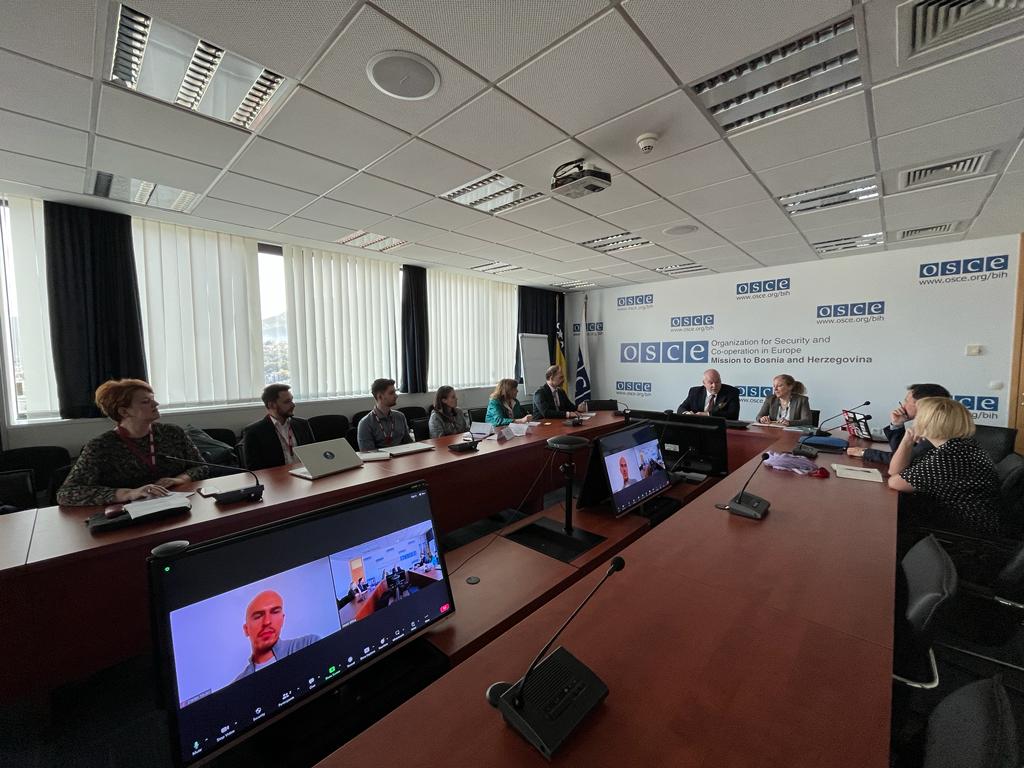
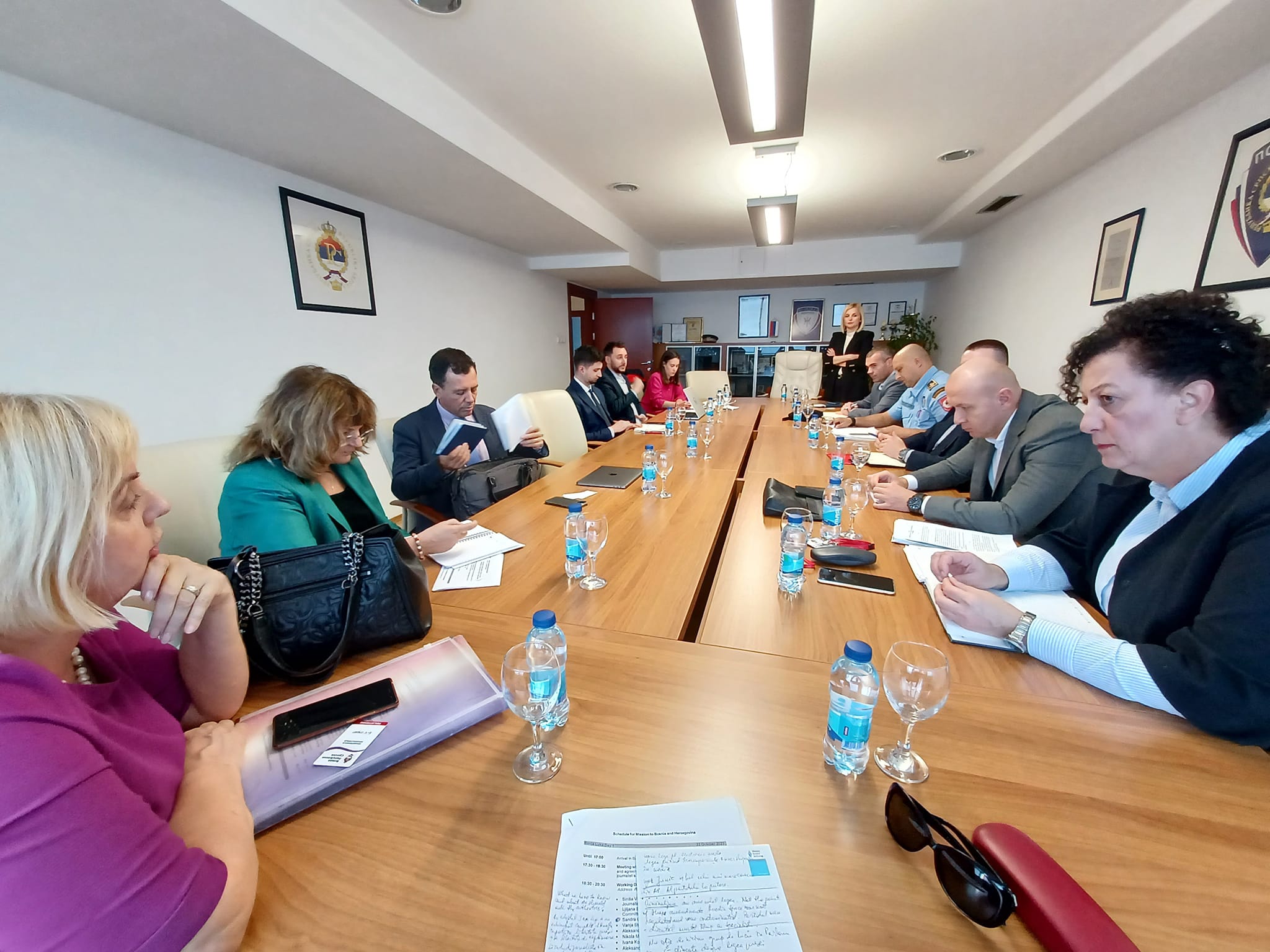
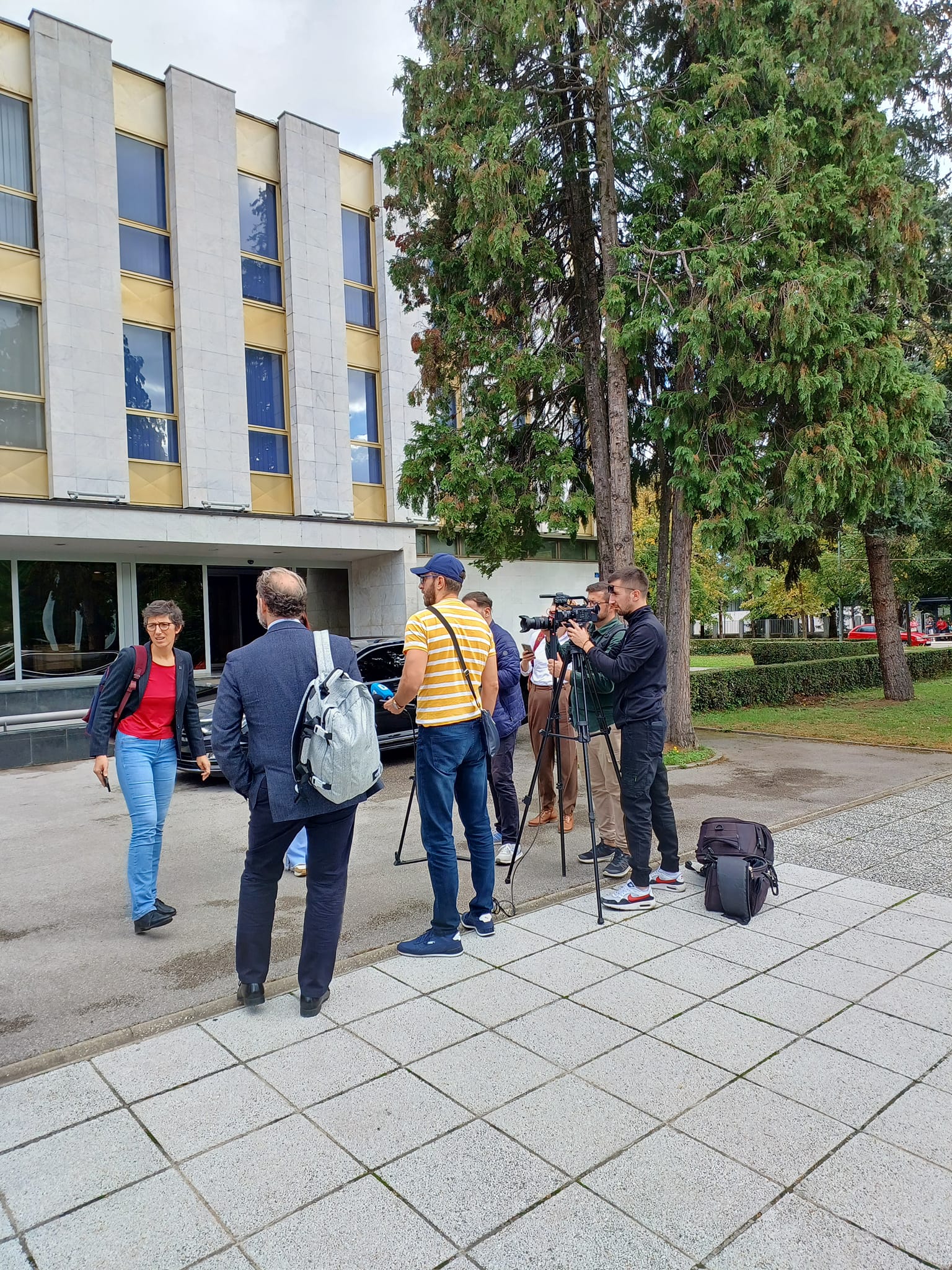
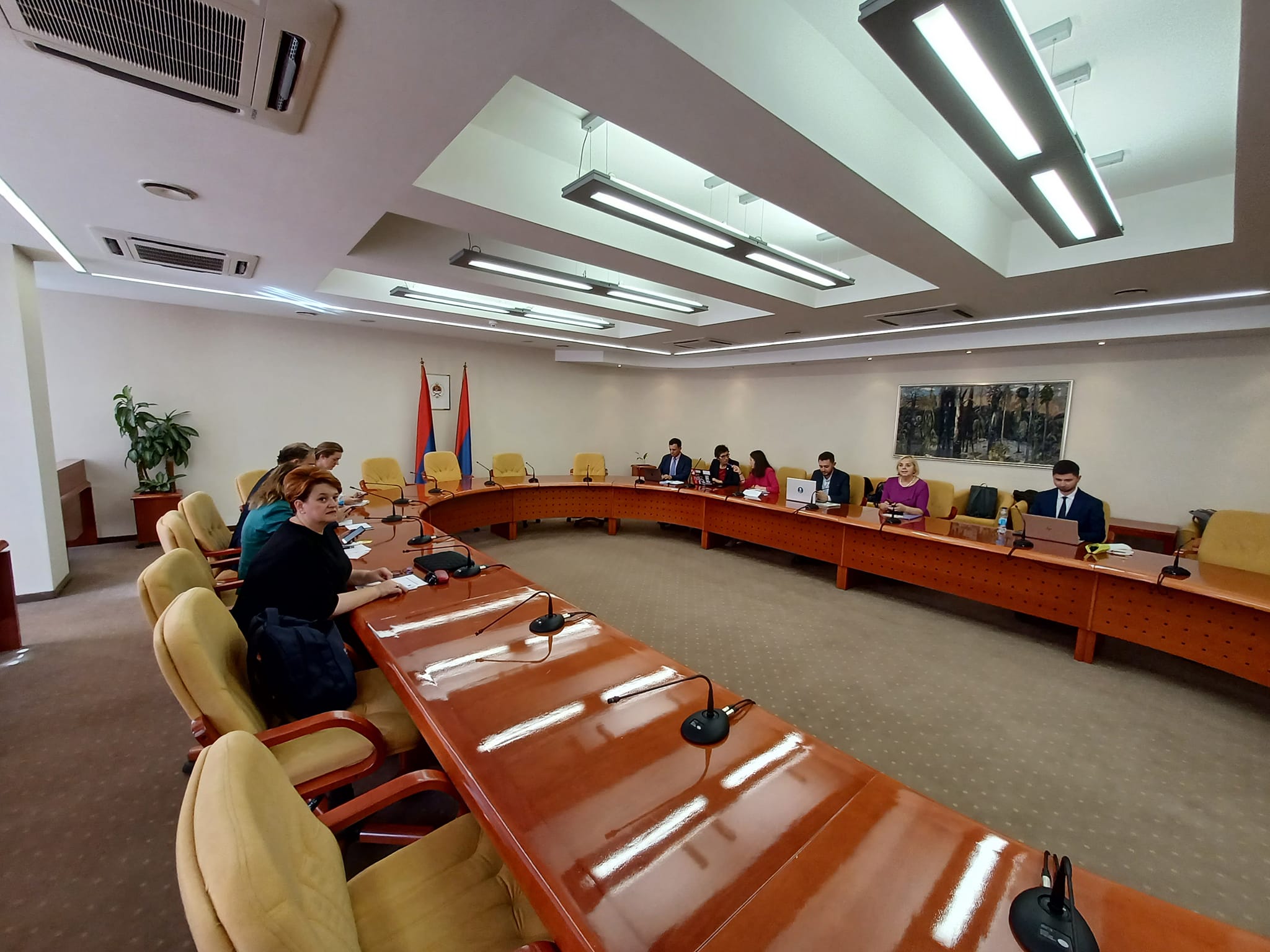
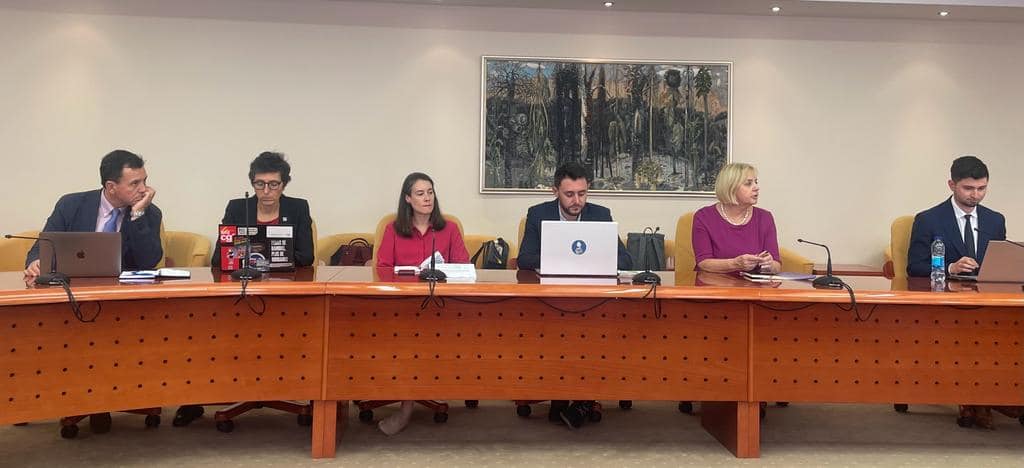
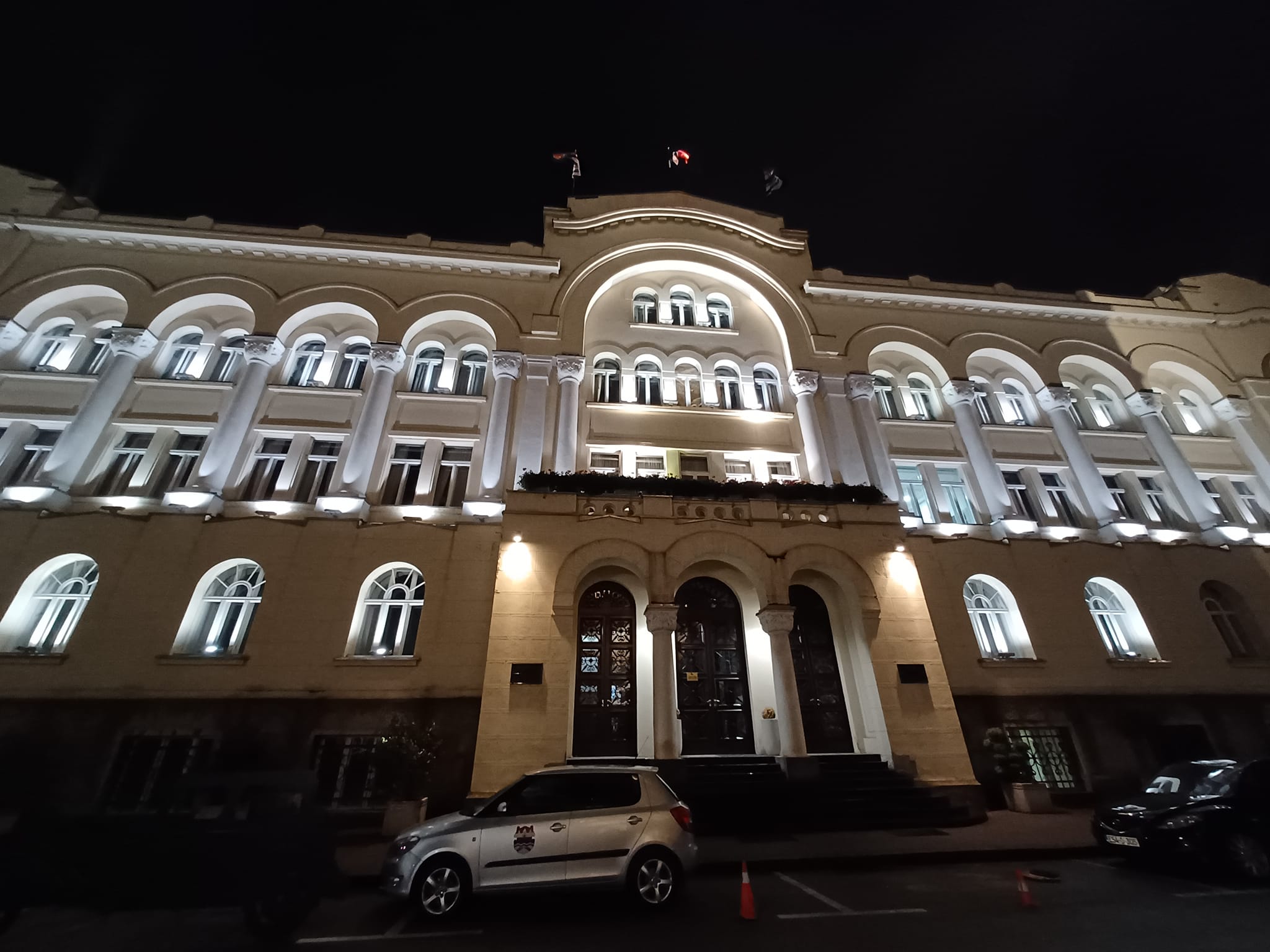
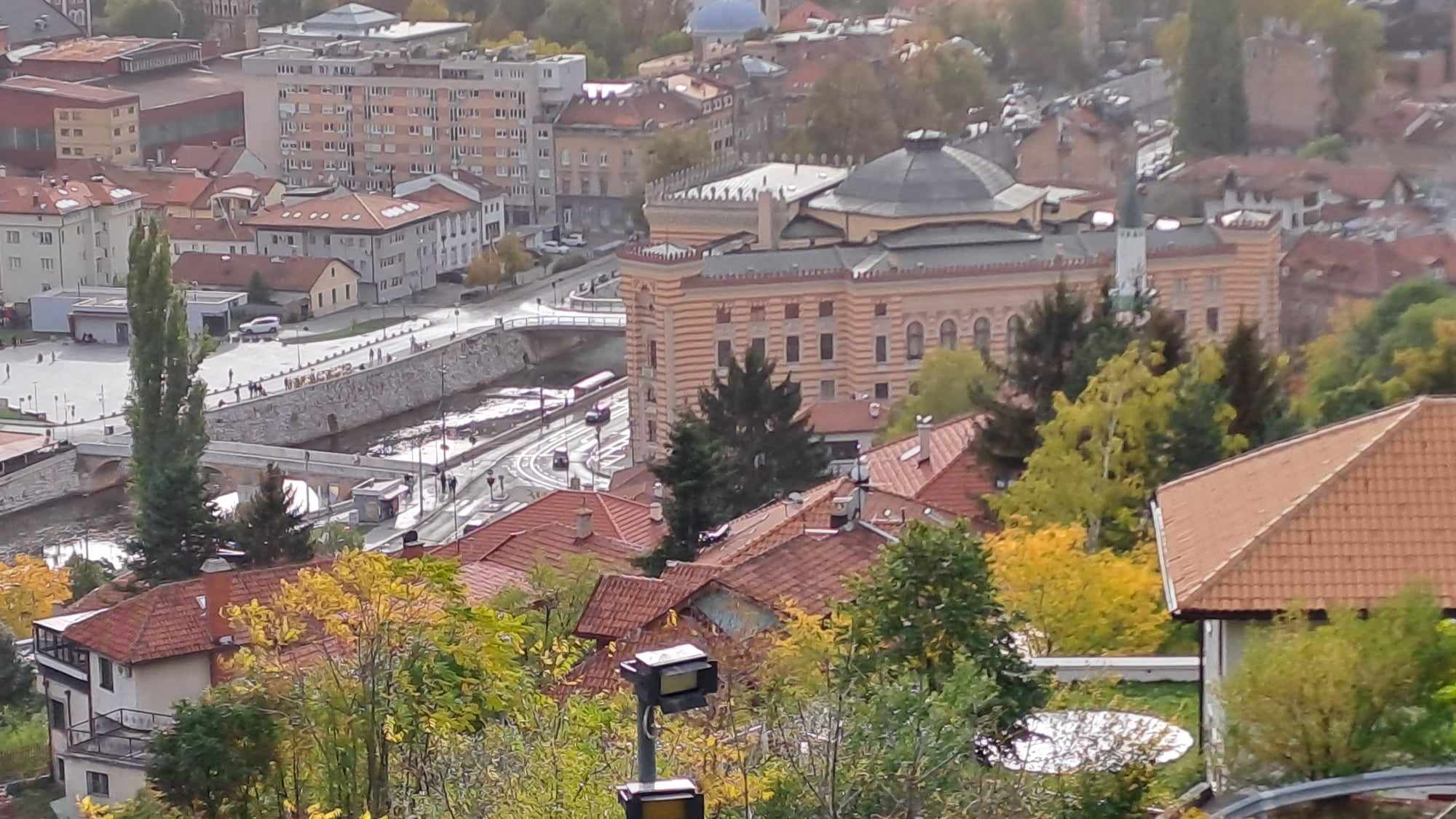
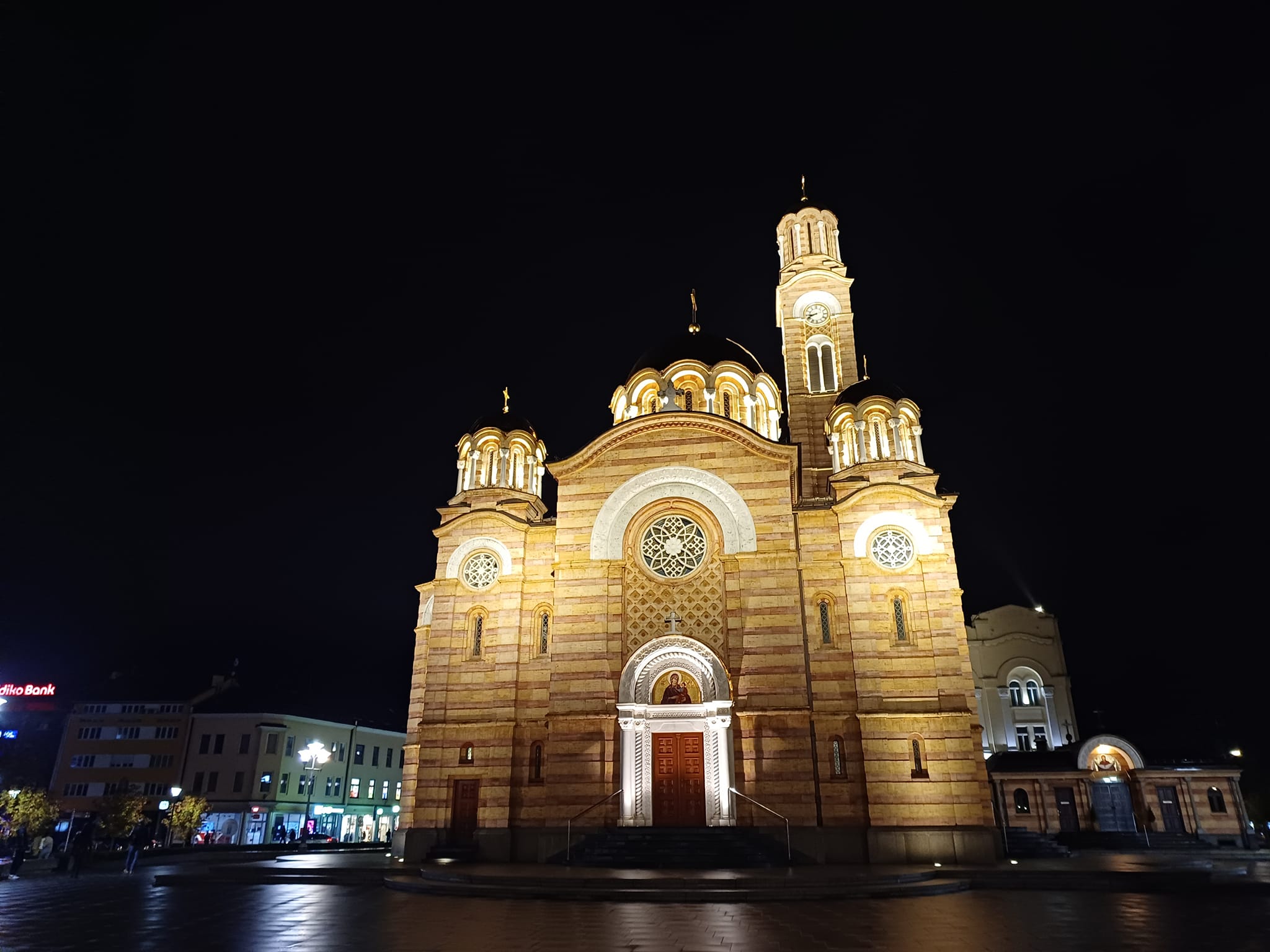
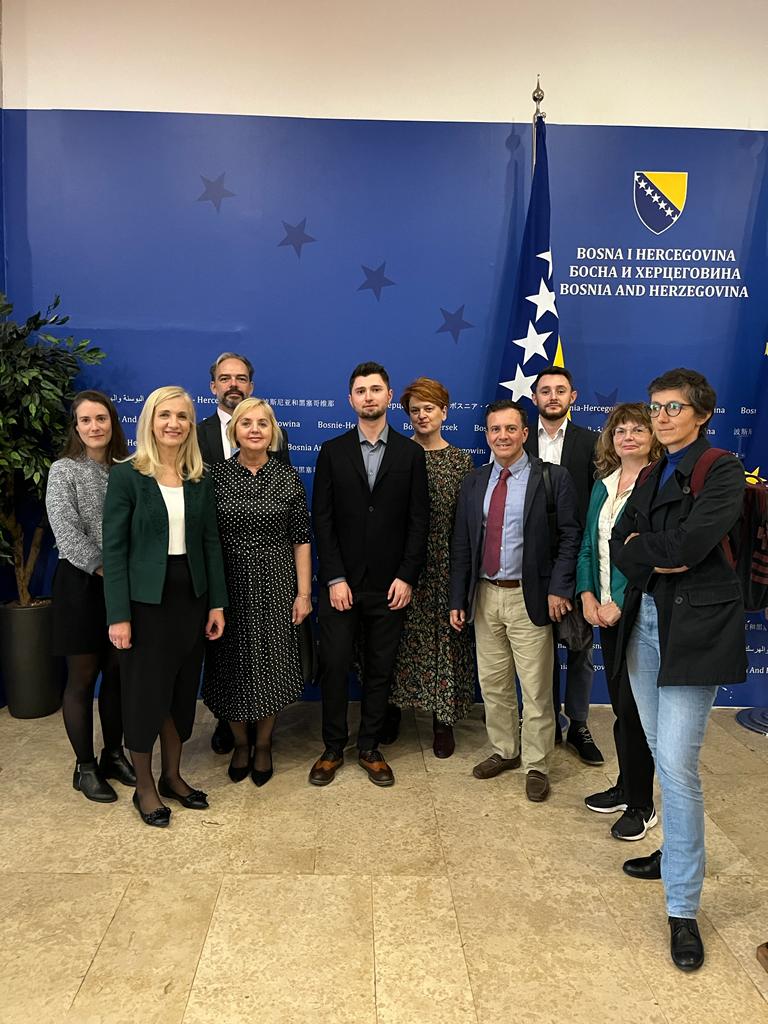
Partner organizations of the Media Freedom Rapid Response (MFRR) will travel to Banja Luka and Sarajevo from 22 to 25 October 2023 to assess the current state of play for media freedom in the country and start a dialogue with the authorities, less than a year after the European Union decided to grant Bosnia and Herzegovina candidate status.

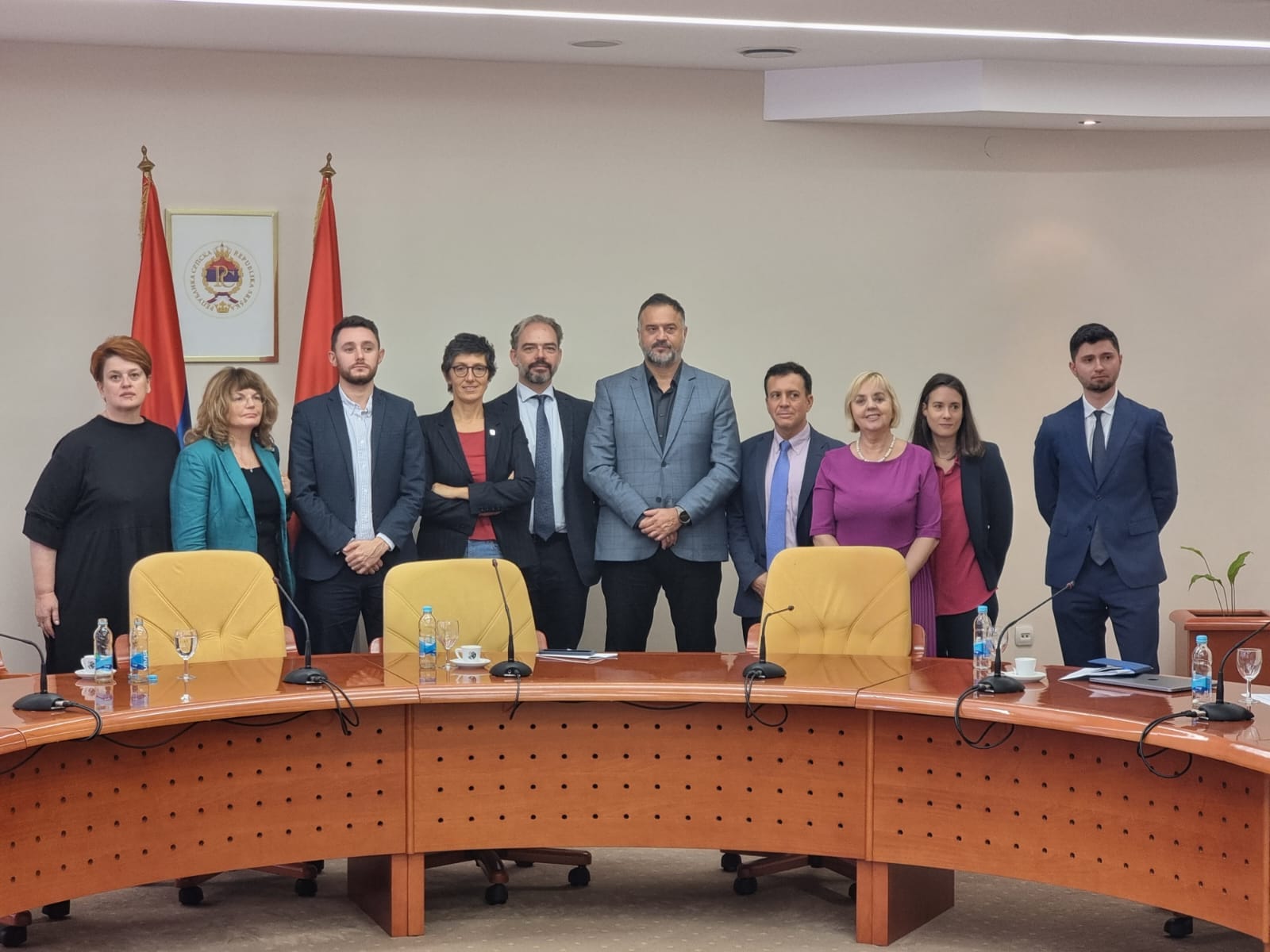
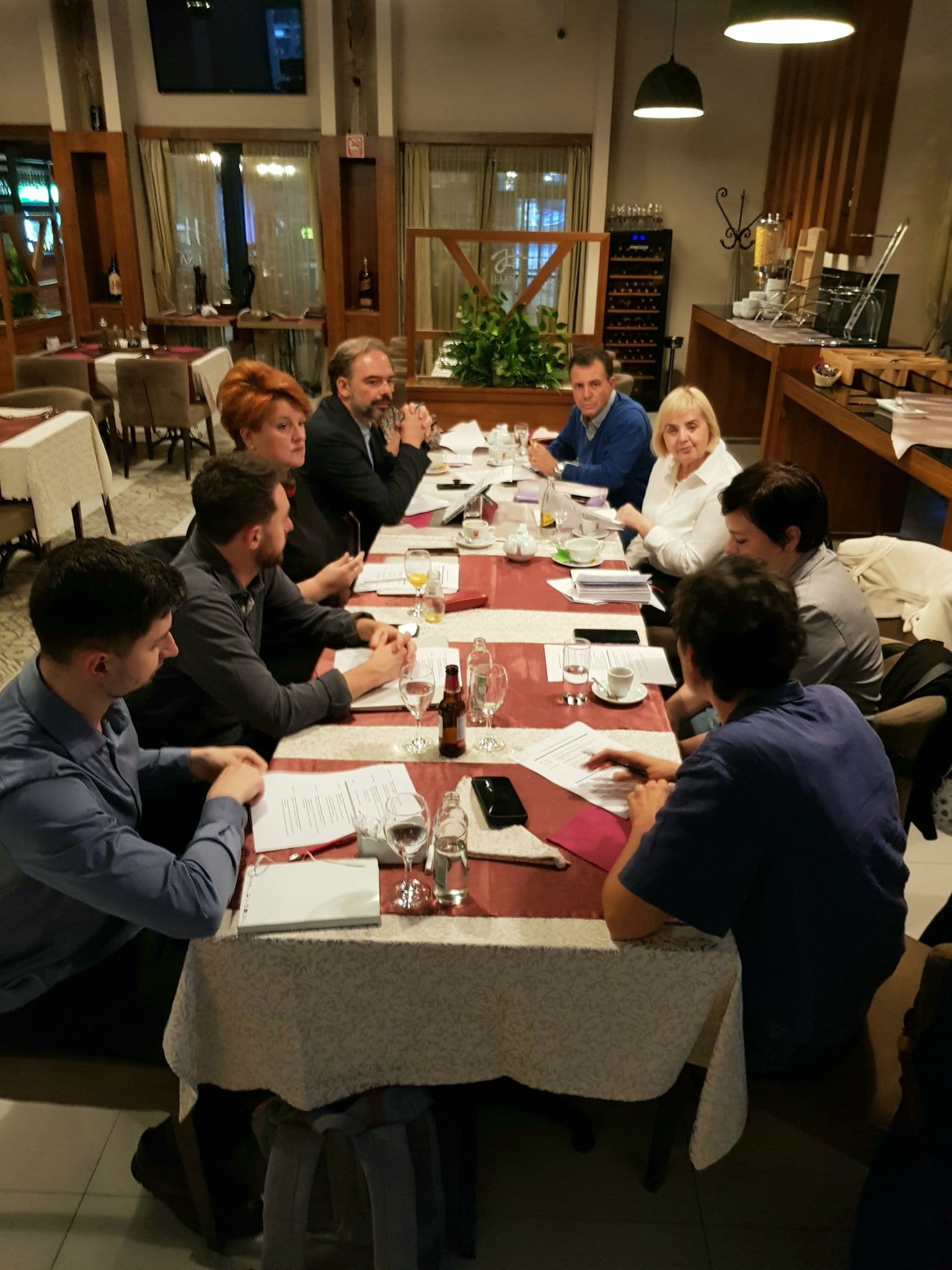
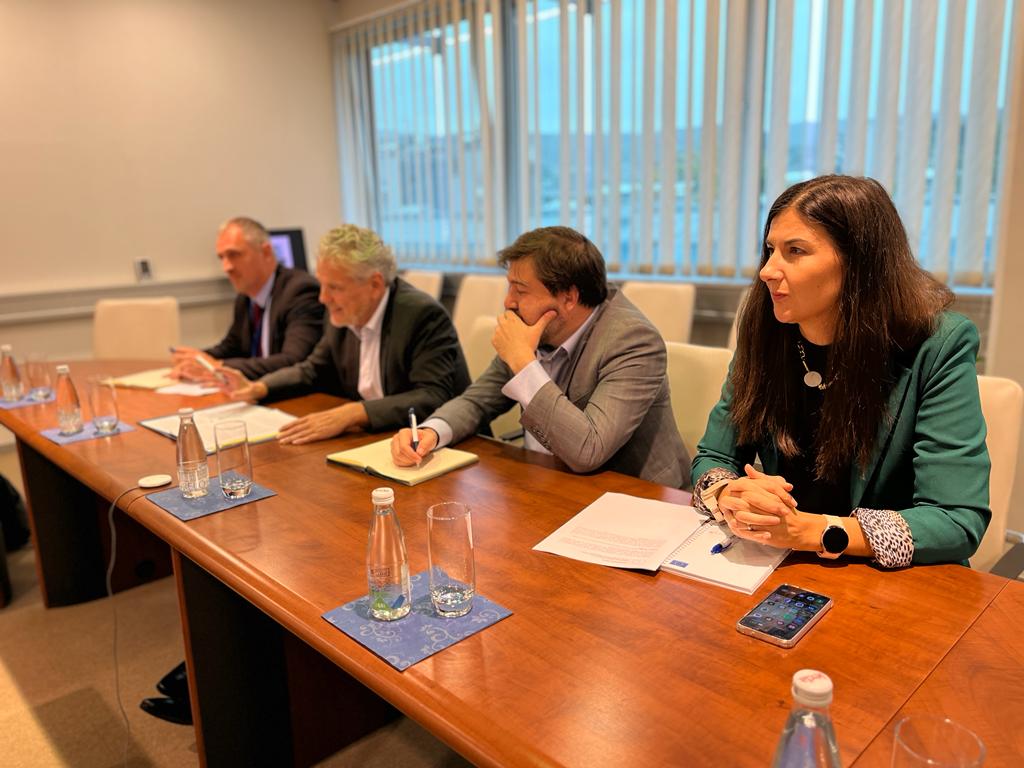
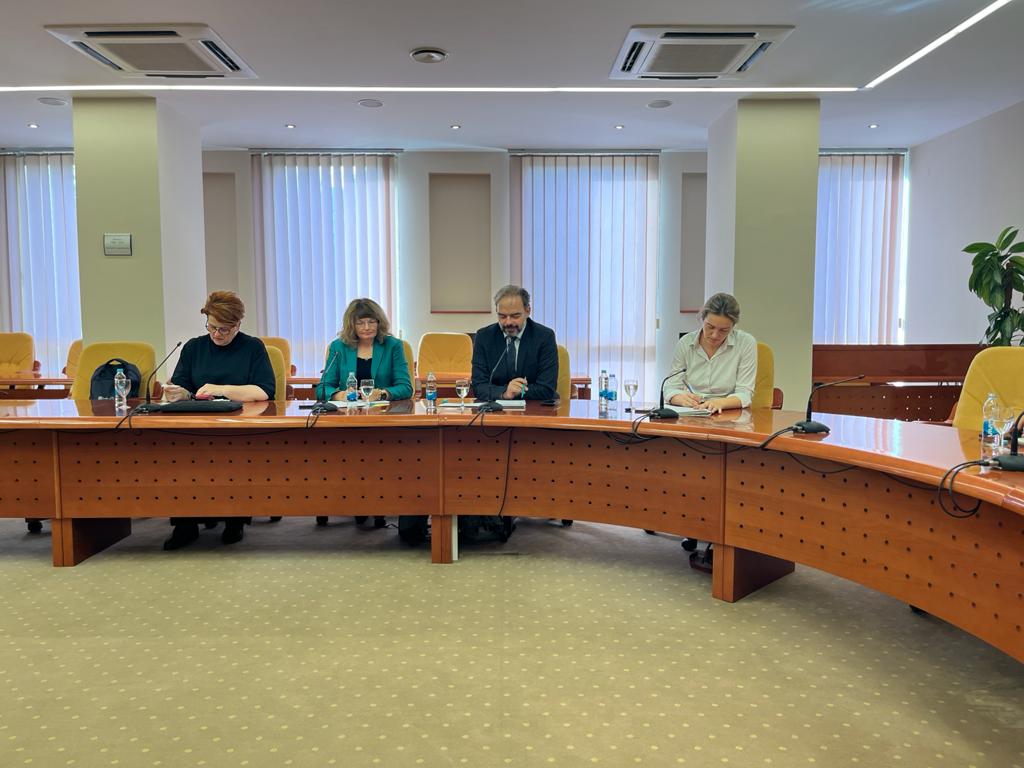
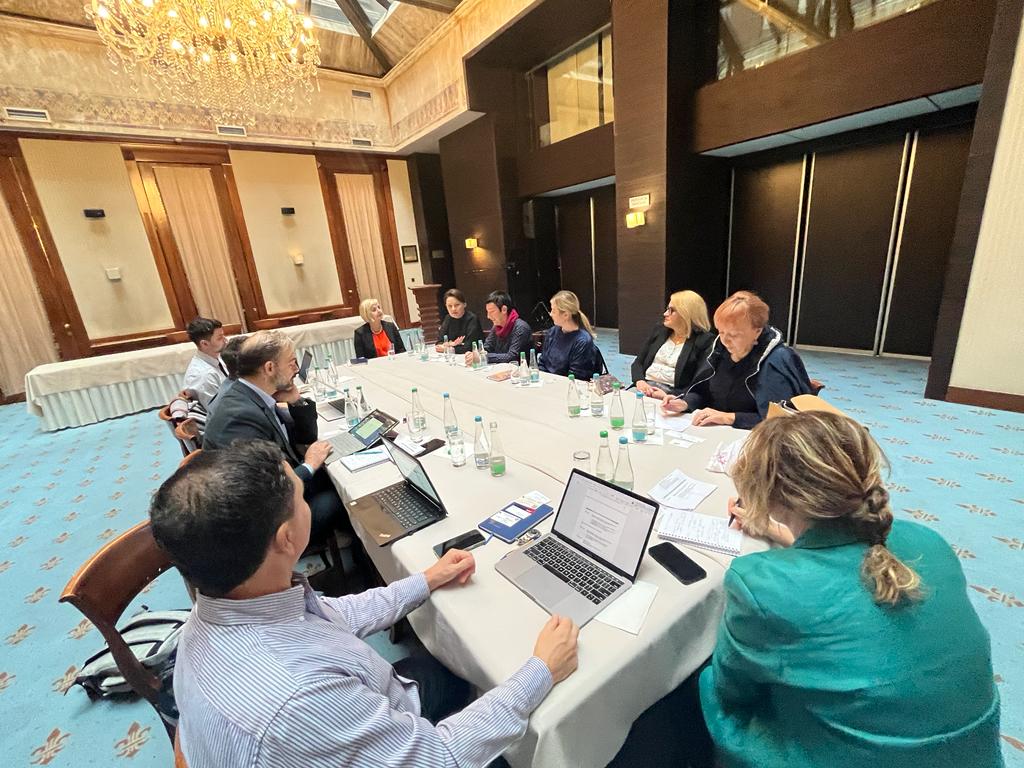
The delegation will consist of representatives of the MFRR partners, including ARTICLE 19 Europe, the European Centre for Press and Media Freedom (ECPMF), the European Federation of Journalists (EFJ), Free Press Unlimited (FPU), the International Press Institute (IPI) and the Osservatorio Balcani Caucaso Transeuropa (OBCT). A representative of the South East Europe Media Organisation (SEEMO) will also join the mission, as well as our local partner, the journalists’ association BH Novinari.
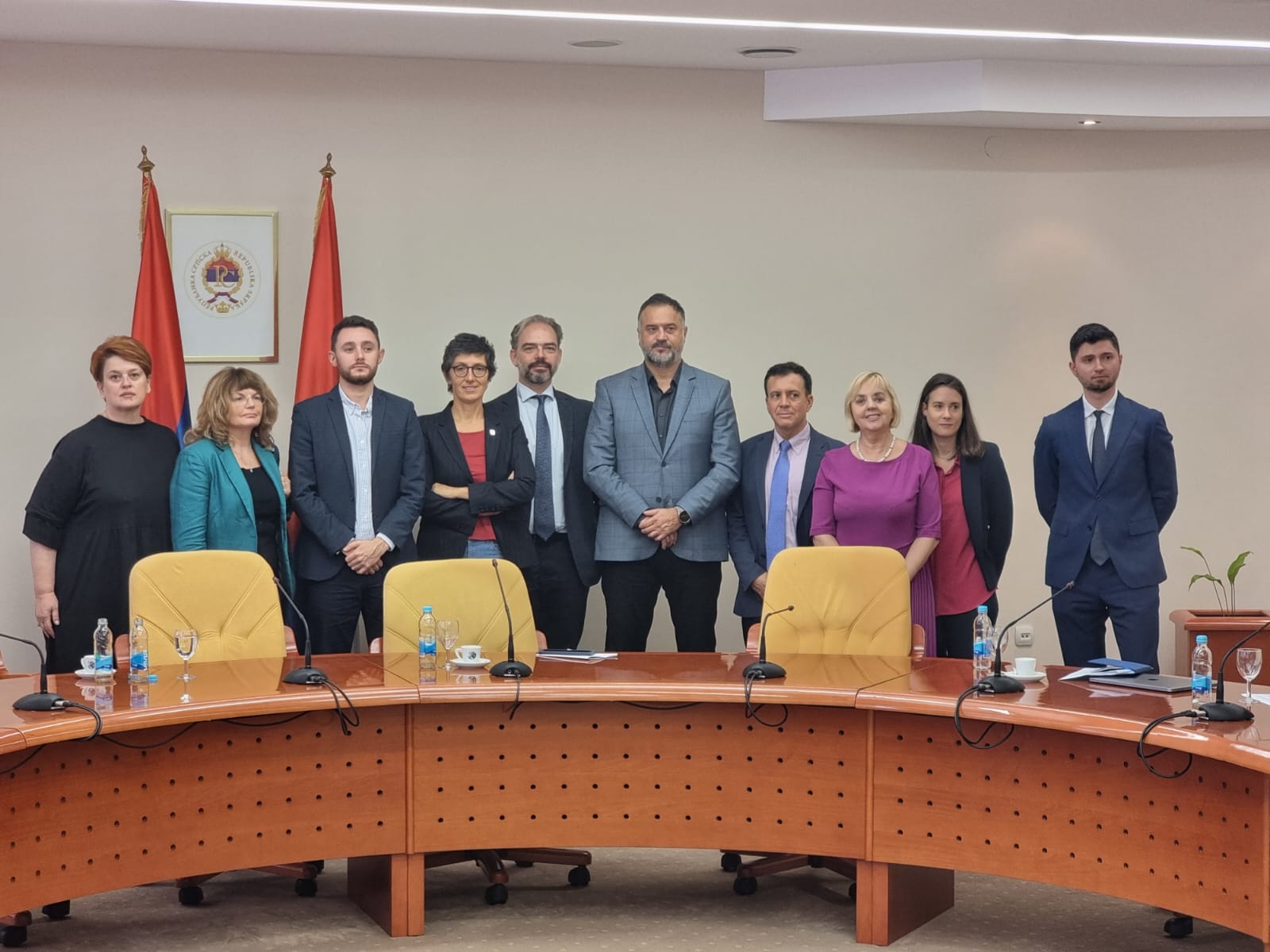
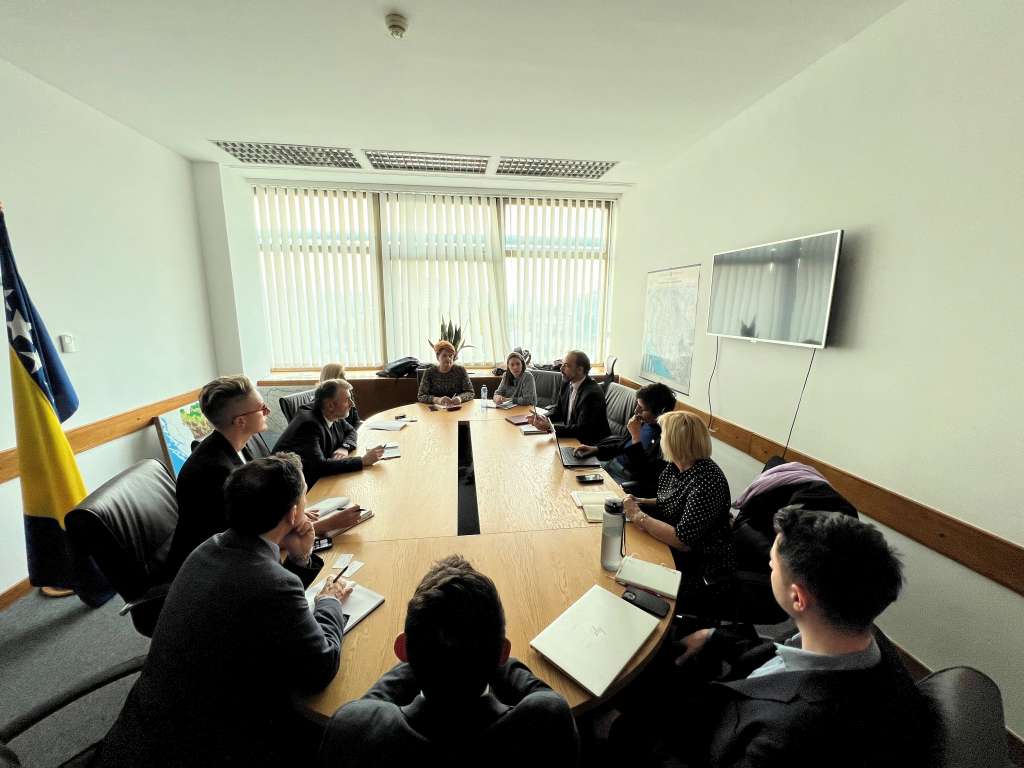
During the visit, the delegation will meet media professionals, officials, international organisations, civil society organisations and lawyers. The mission will focus on the worrying legislations discussedor adopted recently: in Republika Srpska, one of the two entities of Bosnia and Herzegovina, regarding the recriminalisation of defamation;
the draft law on Public Order and Peace in the Sarajevo Canton; and the law on Freedom of Access to Information in the Federation. The safety of journalists, the verbal attacks from public officials and the lack of investigation into some cases will also be addressed with the authorities.

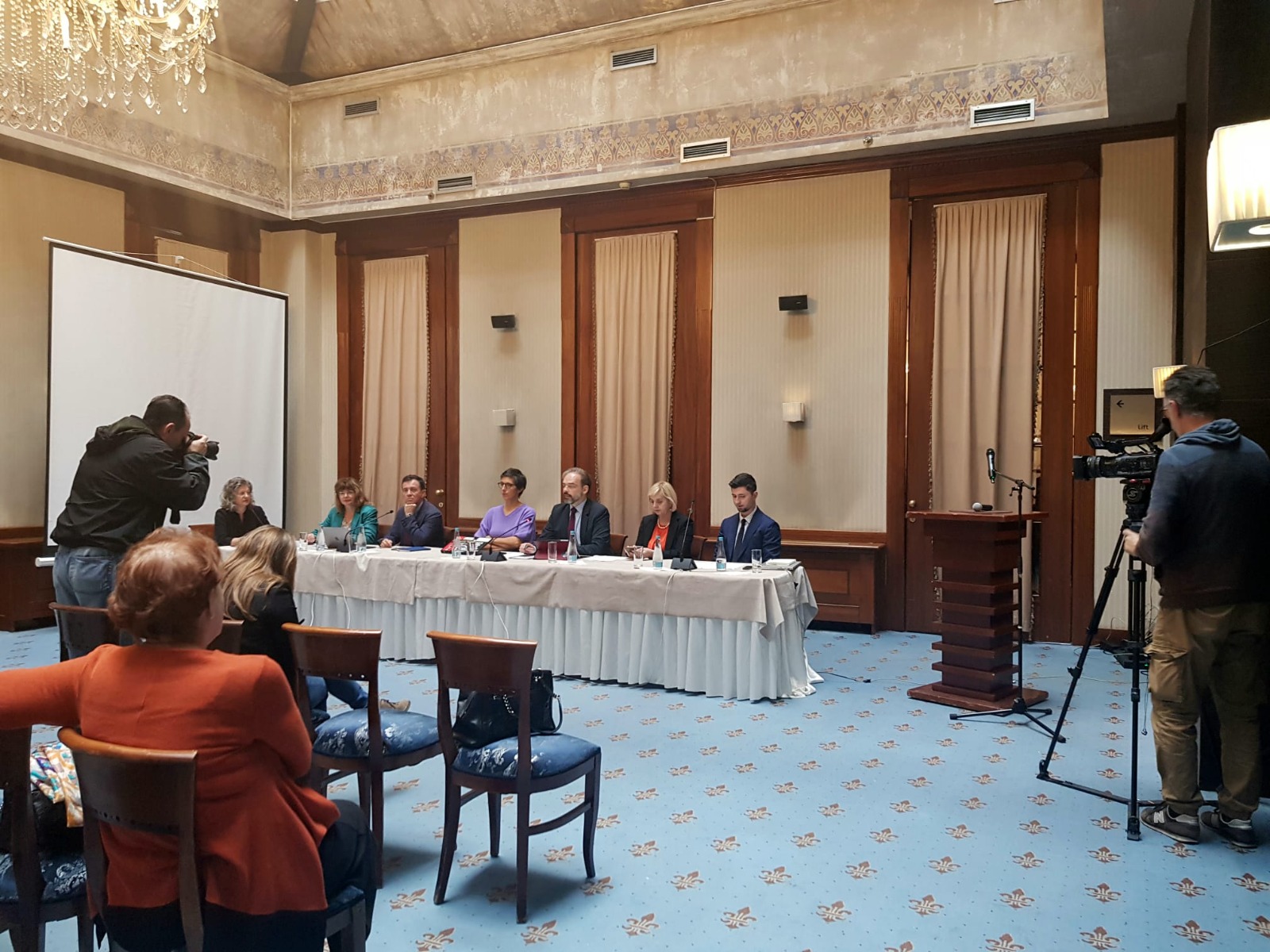
On 25 October, the delegation will hold a press conference in Sarajevo to present preliminary findings and recommendations. A detailed mission report will be published later in autumn.

This mission is coordinated by the Media Freedom Rapid Response (MFRR), a Europe-wide mechanism which tracks, monitors and responds to violations of press and media freedom in EU Member States and candidate
countries.

PRESS RELEASE: MISSION TO BOSNIA AND HERZEGOVINA
26 October 2023

Following a press freedom mission to Bosnia and Herzegovina from 22-25 October 2023, the partner organisations of the Media Freedom Rapid Response (MFRR) warn that media freedom in the country is in decline against a backdrop of new restrictive laws, hostile rhetoric and denigration of journalists by public officials, and ongoing systemic challenges to the independence of public service media.

While the country had long experienced a stagnation in its progress for freedom of the media and freedom of expression, the situation has seen an overall decline, even as the country was granted candidate status for accession to the European Union in December 2022. The MFRR organisations express their greatest solidarity with the journalists and media outlets who are working in a suffocating environment and poor working conditions.

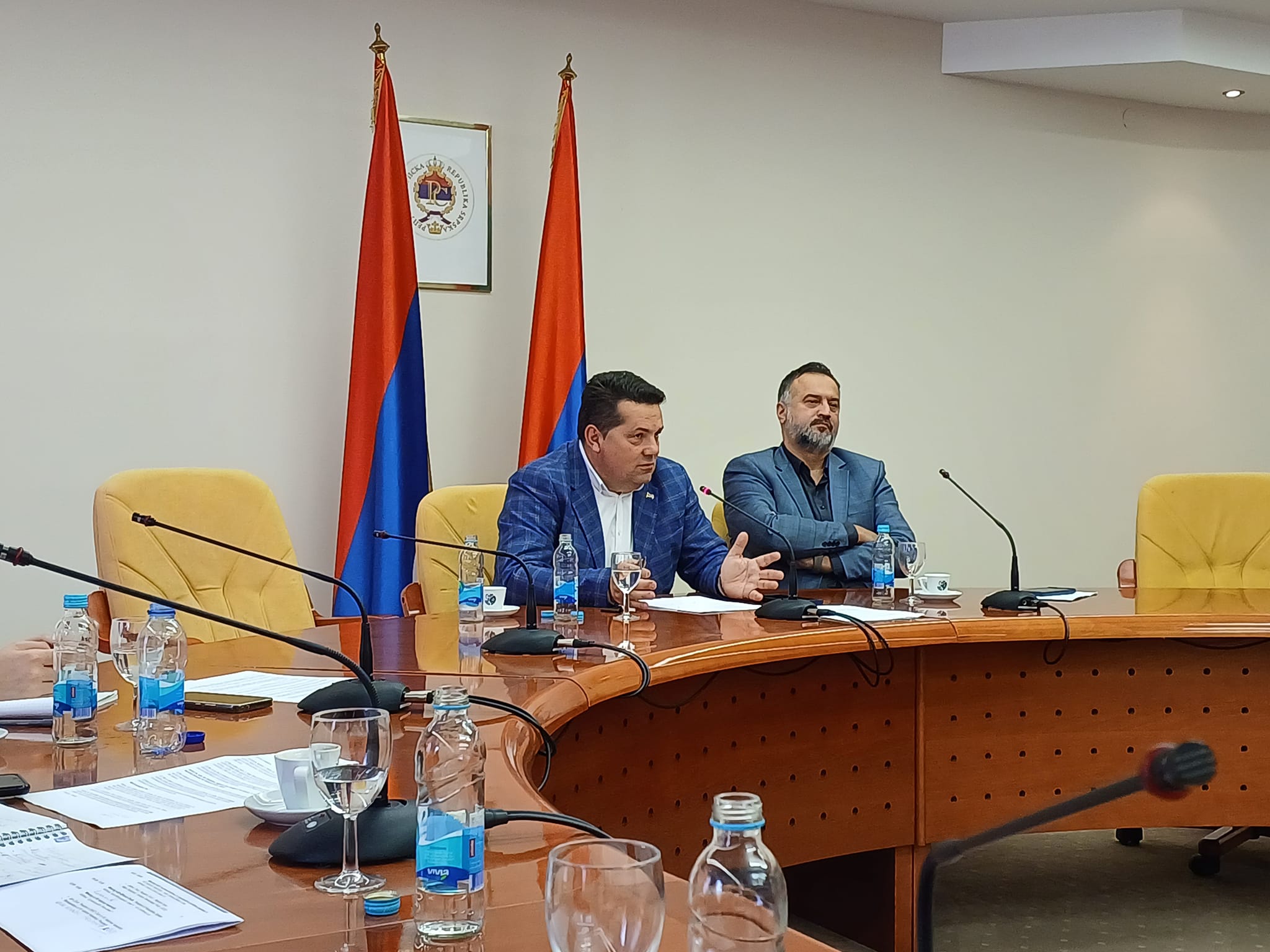
During the three-day mission, the delegation met with a number of political and media stakeholders both in Banja Luka, Republika Srpska (RS), and in Sarajevo. We regret that RS President Milorad Dodik did not respond to our requests for a meeting.

Package of restrictive laws The delegation closely examined the package of restrictive laws that have been passed or are currently in development or discussions in RS, where entity president Dodik is steadily tightening the screws on independent media and civil society organisations.

Firstly, the recent recriminalisation of defamation, passed by the Republika Srpska National Assembly in July 2023, made defamation a criminal offence with penalties including fines equivalent to 3,000 euros. While this legislation is modelled on similar problematic laws from around Europe, its impact in RS is exacerbated by broader lack of independence of the judiciary and prosecutors. Although the final text of the law was an improvement on the initial draft, the end result remains in violation of international human rights standards. The delegation welcomes the commitment given by the President of the RS National Assembly to conduct a review of the law one year after its
passing to assess its impact on journalists. Our organisations are ready to contribute to such an assessment in partnership with local journalist associations.

A second so-called “foreign agent” law has passed the first vote within the National Assembly. If ultimately adopted, the legislation would require nonprofit organisations funded from abroad and active in the Bosnian Serb entity to register and report on their work. Media NGOs, which enjoy greater independence under this status, are targeted by this legislation, which is designed to stigmatise and further burden them with financial and administrative reporting.

The delegation was informed of a third legal initiative to develop a new media law in RS, that is being conducted in a non-transparent process with no proper structure or appointment procedure for the working group, posing questions over its legitimacy. Information passed to the delegation suggests this law would in particular restrict media outlets from registering as NGOs.

This package of interlinked legislation is aimed at further stifling the space for critical reporting and is contributing to a wider atmosphere of pressure and isolation amongst the journalistic community in Republika Srpska. When viewed together, the laws pose an existential threat to the future of independent journalism in RS.

At the Sarajevo canton level meanwhile, a new draft law ‘on Public Order and Peace’ would empower the police to sanction anyone spreading “fake news” including online. This law expands the definition of a public place to the internet. We urge the authorities to withdraw this dangerous piece of legislation, which includes vague definitions which
would leave the door wide open to abuses and seriously undermine freedom of expression.

Safety of journalists
Regarding the safety of journalists, the mission met with several journalists who have been attacked because of their work, in both Banja Luka and Sarajevo. Many of the investigations into these attacks have still not been completed, mirroring a wider trend. According to the BH Journalists Association, only 25% of the cases involving journalists in the whole BH have been investigated and the rate of prosecutions remains problematic.

While physical attacks are relatively rare, verbal attacks and insultsdirected towards journalists by prominent politicians remain a concern. This hostility and harsh rhetoric against journalists sends a signal to the public that journalists are legitimate targets of violence and scapegoats.

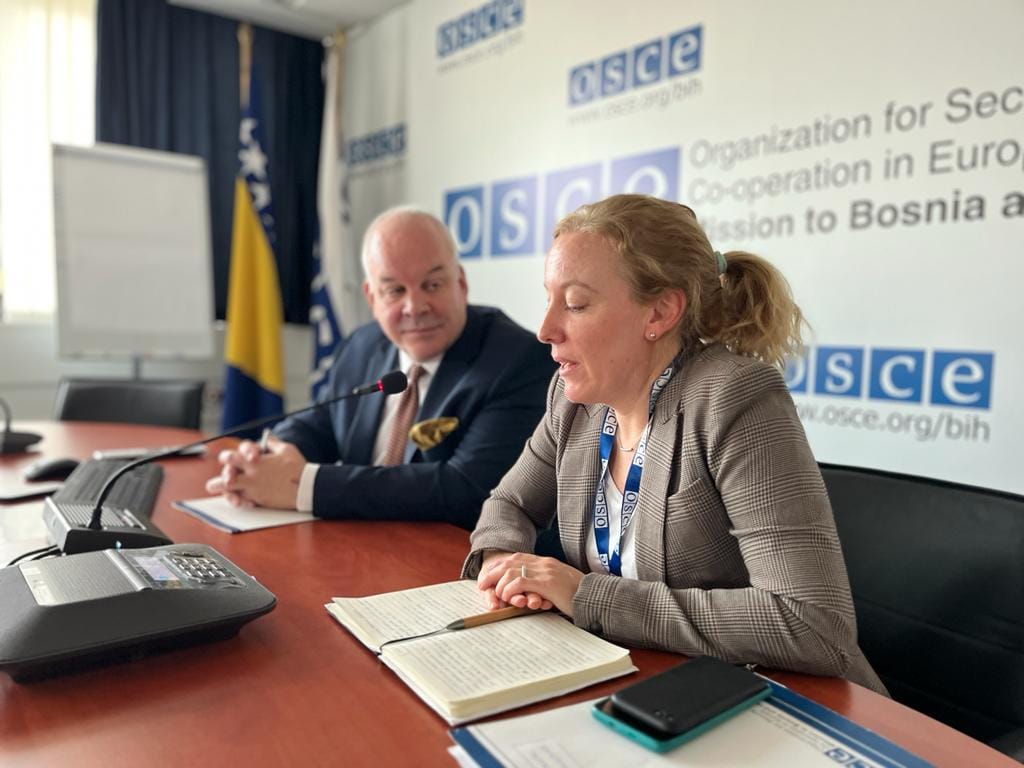
The Free Media Help Line of the BH Journalists Association has had a positive impact, and the establishment of contact points within all police and prosecutors offices is a welcome step forward that was finalised by the efforts of the EU Delegation and the OSCE Mission to Bosnia and Herzegovina. However, ultimately there is a continued lack of systematic and integrated institutional follow-up for all cases. The establishment of a standing working group for the safety of journalists is the next step for creating an integrated institutional response, and we welcome the commitment of the Main Prosecutor in Canton Sarajevo to participate in such a body.

Regulatory framework and public service media
The public broadcaster, Radio and Television of Bosnia and Herzegovina (BHRT), remains locked in a period of perennial crisis due to the blocked access to legally mandated lice fee funding and the lack of a sustainable funding model, undermining its institutional stability and independence.

The independence of the national Communication Regulatory Agency continues to be undermined by the politicised appointments of its director and the non-appointment of its management council. The selective approach of regulatory actions by the Agency have raised concerns, though these problematic decisions remain rare.

The legal framework for freedom of access to information has been weakened due to recent legislative changes, providing public authorities more opportunities to deny the release of data, adding onerous new hurdles for journalists, and undermining transparency. Overall the media market remains highly fragmented and real media pluralism is weak.

The crucial role of international community
Journalists and civil society organisations representatives that we met during the past two days expect more from the international community. The mission heard repeated concerns that in the process of ticking boxes for the progress of the country towards accession to the EU, media freedom risks being overlooked for considerations such as stability and security.

Given the fears that the situation in Republika Srpska will spill over the Federation of Bosnia and Herzegovina, we urge international organisations to unify positions, use their diplomatic leverage to defend media freedom in the whole country and always stand in solidarity with journalists and media outlets. We call on the EU delegation to make media freedom and freedom of expression a high priority in the accession negotiations.

The delegation was composed of ARTICLE 19 Europe, the European Federation of Journalists (EFJ), Free Press Unlimited (FPU), the International Press Institute (IPI), the Osservatorio Balcani Caucaso Transeuropa (OBCT), as well as South East Europe Media Organisation (SEEMO) and was supported by the journalists’ association BH Novinari.
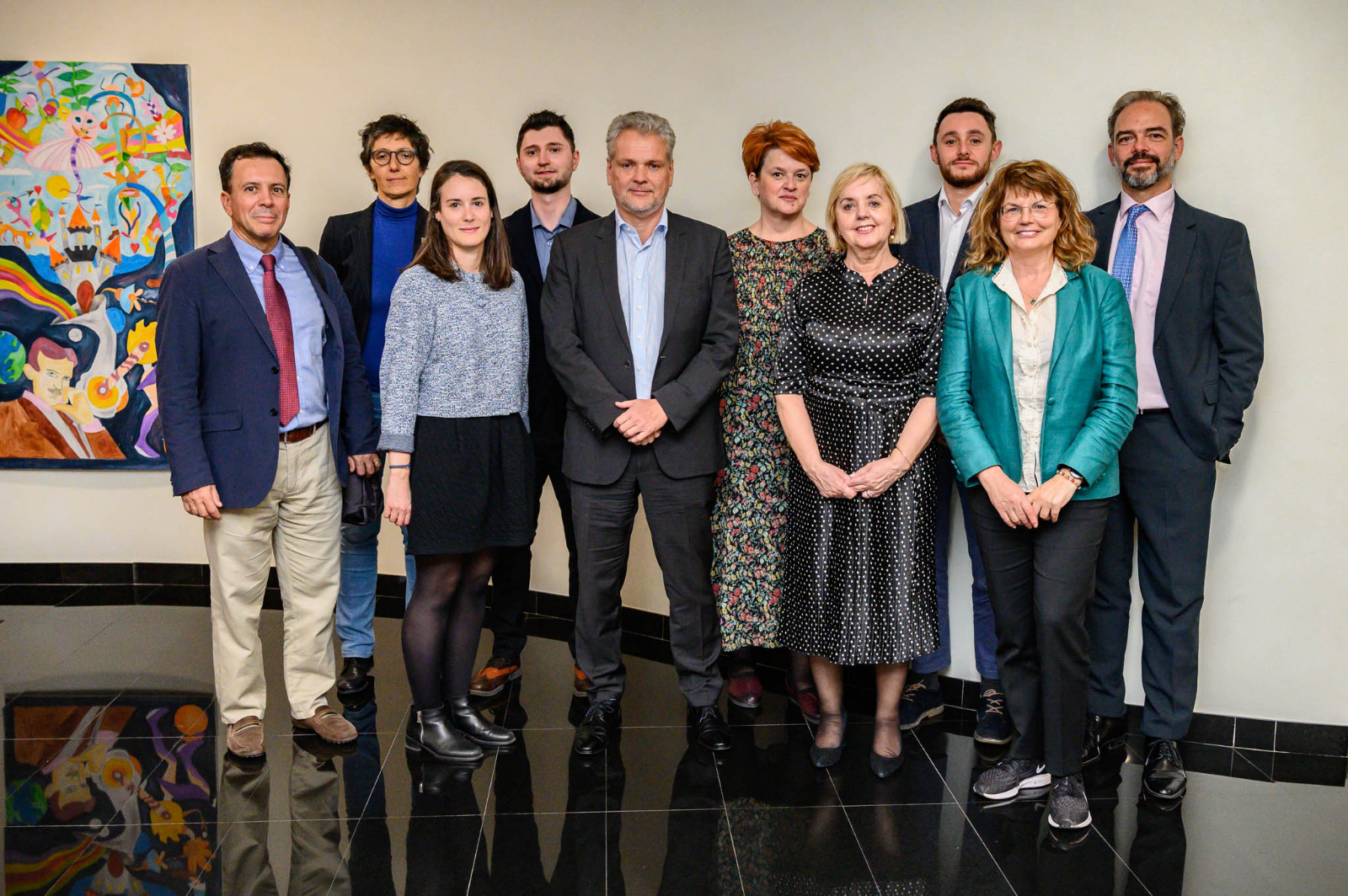
A full report including detailed findings and recommendations will be published in the coming weeks.

12.10.2023 – Journalist Arrested under Controversial Anti-Terror Law in Turkey

October 12, 2023 disabled comments

The arrest of Fırat Can Arslan, who works for Mezopotamya Agency (MA) (http://mezopotamyaajansi35.com/), has raised concerns about press freedom in Türkiye / Turkey. Arslan was detained on 25 July 2023. He is the first journalist to be apprehended under Law No. 3713, which dates back to 1991, on charges of “inciting the public to hatred and enmity against those involved in the fight against terrorism.” This development is linked to his reporting on the transfer of two prosecutors from Diyarbakır to Samsun, Türkiye / Turkey.

Prosecutors were responsible for indicting 16 journalists (18 on trial) who were imprisoned from June 2022 to July 2023. While their names and roles were mentioned in a Council of Judges and Prosecutors (HSK) Decree, it did not specify the nature of their investigations and prosecutions. However, the indictment alleged that the imprisoned journalists were associated with TV channels linked to the Kurdistan Workers’ Party (PKK) and accused prosecutors of participating in “counter-terrorism” activities based on this.

Fırat Can Arslan faces a prison sentence of 1 to 3 years, with the initial hearing scheduled for 31 October 2023. Arslan’s arrest stems from his report on the prosecutor’s transfer and has sparked fears of growing restrictions on the media in Türkiye / Turkey.

South East Europe Media Organisation (SEEMO) strongly condemns this incident, emphasizing the critical importance of protecting journalists’ rights and ensuring their safety as they carry out their vital work.
South East Europe Media Organisation (SEEMO) is a regional non-governmental, non-profit network of editors, media executives and leading journalists in Southeast, South, East and Central Europe. SEEMO members are in Albania, Armenia, Azerbaijan, Belarus, Bosnia-Herzegovina, Bulgaria, Croatia, Cyprus, Czech Republic, Estonia, Georgia, Greece, Hungary, Kazakhstan, Kosovo, Kyrgyzstan, Latvia, Lithuania, Malta, Moldova (with the territory of Transdnestria), Montenegro, North Macedonia, Poland, Romania, Russia, Serbia, Slovakia, Slovenia, Tajikistan, Turkmenistan, Türkiye / Turkey, Ukraine and Uzbekistan. Austria, Italy, Vatican and San Marino have a special status in SEEMO. SEEMO has over 3000 individual members, and additional media as corporate members.
 

#fyp #mediafreedom #seemo #freespeech #southeasteuropemediaorganisation #ngo #journalist #journalistunderattack #turkey #FıratCanArslan #MezopotamyaAgency #journalistassaulted #journalistattacked #journalistarrested #journalistinjail #SEEMO #pressfreedom #mediafreedom #freemedia

11.10.2023 – Incidents in Albania – Concerns Over Media Freedom

October 11, 2023 disabled comments

In a disturbing incident on 5 October 2023, Flamur Noka, General Secretary of the Democratic Party of Albania, former Minister of the Interior Affairs in Albania and Member of Parliament, physically assaulted cameraman Parid Dado, who works for Vizion Plus (https://www.vizionplus.tv/). The incident occurred during a parliamentary session when Noka struck Dado with the Assembly’s regulation book.

Noka’s rationale for his actions was his belief that Dado was illicitly filming the mobile phones of MPs, particularly his party leader, Sali Ram Berisha. This altercation within the parliamentary setting raised significant concerns about the safety and rights of journalists.

The Speaker of the Parliament, Lindita Nikolla, swiftly intervened and reprimanded Noka, emphasizing the importance of treating the media with the respect they rightfully deserve.

Following the incident, Flamur Noka publicly apologized to the cameraman and shared photos on his Facebook page: www.facebook.com/flamur.noka.3/posts/10161164059591667?ref=embed_post).

While this apology acknowledges the misunderstanding and is a small positive step, it underscores the need for parliamentarians to respect more journalists and media workers, recognize and uphold media freedom, as also ensuring a safe environment for journalists to perform their duties without intimidation or physical harm.

In one additional incident Gjergj Zefi, 52 years old, owner of the webportal Pamfleti (https://pamfleti.net/), and in the past owner of the newspaper Lajmëtari, was physically attacked on 3 October 2023 in Tirana. The attack happened when he was walking in the Bardhok Biba Street in Tirana and after this attack he received medical assistance.

The South East Europe Media Organisation (SEEMO) condemns both incidents and emphasizes the vital role journalists and media play in a democratic society, highlighting the necessity of safeguarding their rights and well-being.
South East Europe Media Organisation (SEEMO) is a regional non-governmental, non-profit network of editors, media executives and leading journalists in Southeast, South, East and Central Europe. SEEMO members are in Albania, Armenia, Azerbaijan, Belarus, Bosnia-Herzegovina, Bulgaria, Croatia, Cyprus, Czech Republic, Estonia, Georgia, Greece, Hungary, Kazakhstan, Kosovo, Kyrgyzstan, Latvia, Lithuania, Malta, Moldova (with the territory of Transdnestria), Montenegro, North Macedonia, Poland, Romania, Russia, Serbia, Slovakia, Slovenia, Tajikistan, Turkmenistan, Türkiye / Turkey, Ukraine and Uzbekistan. Austria, Italy, Vatican and San Marino have a special status in SEEMO. SEEMO has over 3000 individual members, and additional media as corporate members.
#fyp #mediafreedom #seemo #freespeech #southeasteuropemediaorganisation #ngo #journalist #journalistunderattack #albania #ParidDado #vizionplus #journalistassaulted #journalistattacked #SEEMO #pressfreedom #mediafreedom #freemedia

10.10.2023 – Award Winning Ukrainian Journalist Viktoriya Roshchyna Missing Since August 2023

October 10, 2023 disabled comments

Viktoriya Roshchyna (Вікторія Рощина), 26-year-old, an Ukrainian freelance journalist working for Ukrainska Pravda and former contributor to Hromadske and Radio Free Europe/Radio Liberty (RFE/RL), has disappeared during a reporting assignment to Russian-occupied areas in Ukraine. This alarming situation has raised grave concerns among her family, friends, and the journalistic community.

Roshchyna, the recipient of the 2022 Courage in Journalism Award from the International Women’s Media Foundation (IWMF) (https://www.iwmf.org/) is missing since 3 August 2023.

In March last year Russian soldiers fired in the direction of her car and some days after this incident she was captured by Russian forces in the east Ukraine for several days.

.This time she was travelling on 27 July from Ukraine over Poland and Russia to occupied territories in Ukraine. Her family heard last time from hear on 3 August. She did not disclose in the last talk her exact location:

The South East Europe Media Organisation (SEEMO) condemns this alarming incident, calling for swift action to locate and ensure the safety of Viktoriya Roshchyna. Journalists must be able to fulfill their vital roles without the threat of abduction or harm.
South East Europe Media Organisation (SEEMO) is a regional non-governmental, non-profit network of editors, media executives and leading journalists in Southeast, South, East and Central Europe. SEEMO members are in Albania, Armenia, Azerbaijan, Belarus, Bosnia-Herzegovina, Bulgaria, Croatia, Cyprus, Czech Republic, Estonia, Georgia, Greece, Hungary, Kazakhstan, Kosovo, Kyrgyzstan, Latvia, Lithuania, Malta, Moldova (with the territory of Transdnestria), Montenegro, North Macedonia, Poland, Romania, Russia, Serbia, Slovakia, Slovenia, Tajikistan, Turkmenistan, Türkiye / Turkey, Ukraine and Uzbekistan. Austria, Italy, Vatican and San Marino have a special status in SEEMO. SEEMO has over 3000 individual members, and additional media as corporate members.
#fyp #mediafreedom #seemo #freespeech #southeasteuropemediaorganisation #ngo #journalist #journalistunderattack #ukraine #russia #war #ViktoriyaRoshchyna #RFE/RL #journalistmissing #journalistattacked #SEEMO #pressfreedom #mediafreedom #freemedia