15.07.2024 – The Case of Açık Radyo

15.07.2024 – The Case of Açık Radyo

July 15, 2024 disabled comments

Açık Radyo (https://acikradyo.com.tr/), an Turkish radio station, recently had its broadcast license revoked by Türkiye / Turkey Radio and Television Supreme Council (Radyo ve Televizyon Üst Kurulu – RTÜK – https://www.rtuk.gov.tr/about-us/1749/en) after mentioning the Armenian genocide during a program. This decision follows a history of penalties and suspensions imposed on the station and other media outlets in Türkiye / Turkey.

In April 2024 a guest on Açık Radyo’s program “Açık Gazete” referenced the Armenian genocide, stating it was the 109th anniversary of the deportations and massacres on Ottoman soil. RTÜK allegedly accused the station of inciting societal hatred and hostility under Article 8 of Law No. 6112 and imposed a fine along with a five-day suspension. Despite paying the fine, Açık Radyo continued its broadcasts, which RTÜK viewed as a violation of the suspension terms. Consequently, in July 2024, RTÜK canceled the station’s broadcasting license.

One RTÜK member nominated by the main opposition party The Republican People’s Party (Cumhuriyet Halk Partisi – CHP), criticized the decision, highlighting that the station had paid the fine and suggesting that RTÜK should have considered press freedom in their ruling. Açık Radyo issued a statement condemning the revocation, asserting that the remarks made during their program were within the scope of freedom of expression and press freedom as guaranteed by international human rights law, including the European Convention on Human Rights. The station announced plans to pursue legal actions against RTÜK’s decision while maintaining their commitment to broadcasting according to universal journalism principles.

The revocation of Açık Radyo’s license is part of a broader pattern of penalties imposed by RTÜK on media outlets critical of the government. This year alone, six different TV and radio channels, including Now TV (https://www.nowtv.com.tr/) and Tele1 (https://tele1.com.tr/), have faced administrative fines and suspensions for their critical content. These actions are seen as systematic harassment of independent media in Türkiye / Turkey, undermining freedom of expression and media pluralism.

The case of Açık Radyo highlights the ongoing struggles faced by independent media in Türkiye / Turkey. The revocation of its license is a significant blow to press freedom in the country, signaling a tightening grip on media by regulatory authorities.

Eighteen Turkish and international media and press freedom organizations, including South East Europe Media Organisation (SEEMO), have signed a statement condemning the decision by RTÜK to cancel the broadcast license of Açık Radyo.

The South East Europe Media Organisation (SEEMO) condemns the revocation of Açık Radyo’s broadcast license by Türkiye / Turkey Radio and Television Supreme Council (RTÜK). This action represents a severe violation of press freedom and freedom of expression, which are cornerstones of any democratic society. SEEMO will be closely monitoring the situation and urges RTÜK to reinstate Açık Radyo’s license immediately, allowing the station to continue its critical role in providing independent journalism and fostering public debate.

The South East Europe Media Organisation (SEEMO) is a regional non-governmental, non profit network of editors, media executives and leading journalists in Southeast, South, East and Central Europe. SEEMO members are in Albania, Armenia, Azerbaijan, Belarus, Bosnia-Herzegovina, Bulgaria, Croatia, Cyprus, Czech Republic, Estonia, Georgia, Greece, Hungary, Kazakhstan, Kosovo, Kyrgyzstan, Latvia, Lithuania, Malta, Moldova (with the territory of Transdnestria), Montenegro, North Macedonia, Poland, Romania, Russia, Serbia, Slovakia, Slovenia, Tajikistan, Turkmenistan, Türkiye / Turkey, Ukraine and Uzbekistan. Austria, Italy, Vatican and San Marino have a special status in SEEMO. SEEMO has over 3000 individual members, and additional media as corporate members.

#fyp #mediafreedom #seemo #freespeech #southeasteuropemediaorganisation #ngo #journalist #turkey #AçıkRadyo #SEEMO #journalistarrested #pressfreedom #mediafreedom #freemedia
12 July 2024: Press Freedom Groups Condemn Broadcast Regulator’s Silencing of Açık Radyo in Türkiye / Turkey

July 14, 2024 disabled comments

The undersigned freedom of the press and expression organizations condemn the decision by Turkey’s broadcast regulator to revoke the license of independent radio station Açık Radyo. We call on the authorities in Turkey to uphold their obligations to protect press freedom and freedom of expression in line with the Turkish Constitution and international human rights law, and to reinstate Açık Radyo’s license. Media outlets in Turkey must be free to enable debate on issues of public interest without fear of sanctions.

License Revocation

Turkey’s Radio and Television Supreme Council (RTÜK) penalized Açık Radyo in May after a guest made the following remarks on air: “the 109th anniversary of the deportations and massacres, referred to as genocide, that occurred on Ottoman soil. The Armenian genocide commemoration was banned again this year, as you know”. RTÜK accused the station of “inciting hatred or enmity or to foster feelings of hatred in society”, under Article 8 of Law No. 6112 and ordered an administrative fine and a five-day suspension for the same broadcast. Açık Radyo paid the fine but continued to broadcast its programmes, which RTÜK deemed a violation of the conditions set forth in its sanction. In July, RTÜK revoked Açık Radyo’s broadcasting license.

İlhan Taşcı, a member of RTÜK nominated by the country’s main opposition party, CHP, announced RTÜK’s decision over X. Taşcı told IPI: “The issue could have been approached from the perspective of strengthening press freedom, considering that the broadcaster paid the fine. Based on this, a decision favoring the broadcaster could have been made – one that upholds press freedom while ensuring the public does not lose a radio station that has operated for 30 years”.

In its press release, Açık Radyo protested RTÜK’s decision with the following words: “It is unacceptable that, on the basis of an expression, which indisputably stands within the scope of freedom of expression and press freedom, voiced during our program ‘Açık Gazete’, we now face the revocation of Açık Radyo’s broadcast license.” Launched in 1995, Açık Radyo (Open Radio in English) is an independent, not-for-profit media organization.

Continued Harassment of Independent Media

The revocation of Açık Radyo’s license comes amid a series of penalties that RTÜK has imposed on six different TV and radio channels this year. These media outlets, known for their critical reporting, include Now TV, which was fined four times, and Tele1, which was fined three times. In most cases, the channels were given a 2% administrative fine.

In the case of Açık Radyo, the remarks in question are clearly covered by the right to freedom of expression as guaranteed by international human rights law, including the European Convention on Human Rights. We urgently call on RTÜK to swiftly reinstate Açık Radyo’s license.

More broadly, we call on RTÜK to act according to its mandate and secure freedom of expression and media pluralism in the country instead of censoring critical and independent media. We also call on the Turkish authorities to reconsider their approach toward media regulation.

Signed by

International Press Institute (IPI)

ARTICLE 19

Articolo 21

The Coalition For Women In Journalism (CFWIJ)

Committee to Protect Journalists (CPJ)

European Centre for Press and Media Freedom (ECPMF)

Foreign Media Association Turkey (FMA Turkey)

Freedom House

IFEX

Media and Law Studies Association (MLSA)

Media and Migration Association (MMA)

PEN America

PEN International

PEN Norway

Platform for Independent Journalism (P24)

Progressive Journalists Association (ÇGD)

South East Europe Media Organisation (SEEMO)

Swedish PEN

In Turkish – Türkiye: Basın ve ifade özgürlüğü kuruluşları, RTÜK’ün Açık Radyo’yu susturmasını kınıyor

Yayında geçen “Ermeni Soykırımı” sözü nedeniyle Açık Radyo’nun lisansı iptal edildi

Uluslararası Basın Enstitüsü (IPI), aşağıda imzası bulunan basın ve ifade özgürlüğü kuruluşlarıyla birlikte, Türkiye’nin yayın düzenleyicisi RTÜK’ün bağımsız radyo istasyonu Açık Radyo’nun lisansını iptal etme kararını kınıyor. Türkiye’deki yetkilileri, Türkiye Cumhuriyeti Anayasası ve uluslararası insan hakları hukuku doğrultusunda basın ve ifade özgürlüğünü koruma yükümlülüklerini yerine getirmeye ve Açık Radyo’nun lisansını iade etmeye çağırıyoruz. Türkiye’deki medya kuruluşları, kamuyu ilgilendiren konularda yaptırım korkusu olmaksızın tartışmaya olanak sağlamakta özgür olmalıdır.

Yayın Lisansı İptal Edildi

Radyo ve Televizyon Üst Kurulu (RTÜK), Açık Radyo’da Açık Gazete adlı programın 24 Nisan tarihli yayınına katılan konuğun “(…) Ermeni, yani Osmanlı topraklarında gerçekleşen tehcir ve katliamların, soykırım olarak adlandırılan katliamların 109. Yıldönümü, sene-i devriyesi. Bu yıl da yasaklandı biliyorsunuz Ermeni soykırım anması” şeklindeki ifadelerinin ardından Mayıs ayında Açık Radyo’ya ceza verdi. RTÜK, kanalı 6112 Sayılı Kanun’un 8. maddesi uyarınca “toplumu kin ve düşmanlığa tahrik etmek veya toplumda nefret duyguları oluşturmak” iddiasıyla idari para cezası ve beş günlük yayın durdurma cezasına çarptırdı. Açık Radyo, para cezasını ödedi ancak yayına devam etti. RTÜK, yaptırımda belirtilen koşulların ihlal edildiğini değerlendirdi ve Temmuz ayında Açık Radyo’nun yayın lisansını iptal etti.

RTÜK’ün CHP kontenjanından seçilen üyesi İlhan Taşcı, kararı X üzerinden duyurdu. Taşcı, Uluslararası Basın Enstitüsü’ne (IPI) şunları söyledi: “Burada konuya basın özgürlüğünün güçlenmesi bakımından yaklaşılıp yayıncının para cezasını ödediği göz önünde bulundurulabilirdi. Hem basın özgürlüğü düşünülerek hem de dinleyicilerin 30 yıldır faaliyet gösteren bir radyoyu dinleme hakkını elinden almamak adına yayıncı lehine karar verilebilirdi.”

1995 yılında kurulan, bağımsız ve kâr amacı gütmeyen bir medya kuruluşu olan Açık Radyo, yaptığı basın açıklamasında RTÜK’ün kararına şu sözlerle karşı çıktı: “Programımız ‘Açık Gazete’de dile getirilen ve tartışmasız bir şekilde ifade ve basın özgürlüğü kapsamında yer alan bir ifade temelinde, Açık Radyo’nun yayın lisansının iptaliyle karşı karşıya kalmamız kabul edilemez.”

Bağımsız Medyaya Yönelik Sistematik Taciz

Açık Radyo’nun lisansının iptali, RTÜK’ün bu yıl altı farklı radyo ve televizyon kanalına uyguladığı bir dizi cezanın devamı niteliğinde. Eleştirel yayınlarıyla bilinen bu medya kuruluşları arasında dört kez %2 idari para cezasına çarptırılan Now TV ve yine üç kez %2 para cezasına çarptırılan Tele1 de bulunuyor.

Açık Radyo örneğinde ceza gerekçesi olarak gösterilen ifadeler, Avrupa İnsan Hakları Sözleşmesi de dahil olmak üzere uluslararası insan hakları hukuku tarafından güvence altına alınan ifade özgürlüğü kapsamındadır. RTÜK’ü, Açık Radyo’nun lisansını derhal iade etmeye çağırıyoruz.

RTÜK’ü görevi gereğince hareket etmeye, ifade özgürlüğünü ve medyada çoğulculuğu güvence altına almaya, eleştirel ve bağımsız medyayı sansürlemek yerine korumaya davet ediyoruz. Türkiye yetkililerini de medya düzenlemelerine yönelik yaklaşımlarını gözden geçirmeye çağırıyoruz.

İmzalayanlar

Uluslararası Basın Enstitüsü (IPI)

ARTICLE 19

Articolo 21

Avrupa Basın ve Medya Özgürlüğü Merkezi (ECPMF)

Bağımsız Gazetecilik Platformu (P24)

Çağdaş Gazeteciler Derneği (ÇGD)

Freedom House

Gazetecileri Koruma Komitesi (CPJ)

Gazetecilikte Kadın Koalisyonu (CFWIJ)

Güney Doğu Avrupa Medya Örgütü (SEEMO)

IFEX

İsveç PEN

Medya ve Göç Derneği (MGD)

Medya ve Hukuk Çalışmaları Derneği (MLSA)

PEN Amerika

PEN Norveç

Uluslararası PEN

Yabancı Medya Derneği

12.07.2024 – Response to Srđan Škoro’s Statements

July 12, 2024 disabled comments

A statement made by journalist Srdjan Škoro about President of Serbia Aleksandar Vučić and his family during a TV show broadcast on KTV Television (https://www.ktv.rs/) on 25 June 2024 caused a series of reactions in Serbia.

The Serbian Minister of Information and Telecommunications condemned the statment by Škoro and argued that he violated public interest and the Law on Public Information and Media (Zakon o javnom informisanju i medijima – ZJIM). This condemnation has been perceived by KTV’s editorial team as pressure on their editorial policy. The Higher Public Prosecutor’s Office in Belgrade, Serbia, has instructed the First Basic Public Prosecutor’s Office in Belgrade, Serbia, to investigate whether Škoro’s statements contain elements of the criminal offense of endangering security.

Gordana Konstantinović, the lawyer of the Journalists’ Association of Serbia (Udruženje Novinara Srbije – UNS – https://www.uns.org.rs/), stated for the UNS webpage, that there is no element of the criminal offense of endangering security, nor any other criminal offensethat in the statements made by journalist Srdjan Škoro. She criticized the media for misrepresenting his words. Konstantinović urged that the prosecution reviews Škoro’s actual statements rather than out-of-context excerpts. In that case it will find no grounds for criminal charges.

In response to the accusations, Škoro plans to file a lawsuit against the Ministry of Internal Affairs (Ministarstvo Unutrašnjih Poslova – MUP) for violating the presumption of innocence and prejudging the outcome of the investigation. His lawyer, Ivan Ninić, criticized the statement from the Serbian Minister of Internal Affairs, which alleged that Škoro called for the murder of Serbian President Aleksandar Vučić’s son. Ninić argued that such statements by this Minister, who is presenting himself as a state official, undermine the police institution and set a dangerous precedent for political retaliation.

Furthermore, President of the Independent Association of Serbia’s Journalists – IJAS (Nezavisno Udruženje Novinara Srbije – NUNS – https://nuns.rs/), Željko Bodrožić, called for an end to the “witch hunt” against KTV due to Škoro’s appearance.

In a reaction by IJAS-NUNS it is written: “…The Constitution of the Republic of Serbia guarantees freedom of expression to all citizens of Serbia, and the Ministry of Information has no authority to limit freedom of expression before any information is published. According to the Law on Public Information and Media, only the court can prohibit the distribution of information and that, at the proposal of the competent public prosecutor, only if it is necessary in a democratic society. The reasons for the ban are calling for an immediate violent overthrow of the constitutional order or an act of immediate violence against a person or a group of persons based on personal characteristics, when the publication of the information threatens serious and irreparable consequences that cannot be prevented in any other way…. We remind ….that the freedom of public information must not be violated by abuse of official position and public authority. In the statement, the Ministry does not quote but interprets the statement of Srdjan Skoro and concludes that it is “hate speech”, “violation of personal dignity” and “call for lynching””.

The South East Europe Media Organisation (SEEMO) supports and stands in solidarity with UNS and IJAS-NUNS in their efforts to uphold media freedom and protect journalists from political persecution. SEEMO calls on Serbian authorities to respect the principles of freedom of expression and to ensure that legal processes are not used as tools of political control or intimidation. SEEMO also condemns the political persecution and media pressure against journalist Srdjan Škoro and KTV by Serbian authorities. SEEMO urges the Serbian government to uphold media freedom and protect journalists from political retaliation, ensuring that legal processes are not misused to suppress free expression or to intimidate media outlets.

The South East Europe Media Organisation (SEEMO) is a regional non-governmental, non profit network of editors, media executives and leading journalists in Southeast, South, East and Central Europe. SEEMO members are in Albania, Armenia, Azerbaijan, Belarus, Bosnia-Herzegovina, Bulgaria, Croatia, Cyprus, Czech Republic, Estonia, Georgia, Greece, Hungary, Kazakhstan, Kosovo, Kyrgyzstan, Latvia, Lithuania, Malta, Moldova (with the territory of Transdnestria), Montenegro, North Macedonia, Poland, Romania, Russia, Serbia, Slovakia, Slovenia, Tajikistan, Turkmenistan, Türkiye / Turkey, Ukraine and Uzbekistan. Austria, Italy, Vatican and San Marino have a special status in SEEMO. SEEMO has over 3000 individual members, and additional media as corporate members.

#fyp #mediafreedom #seemo #freespeech #southeasteuropemediaorganisation #ngo #journalist #serbia #srdjanskoro #uns #nuns #SEEMO #journalistarrested #pressfreedom #mediafreedom #freemedia
11.07.2027 – Journalist’s Ana Lalić Hegediš and Dinko Gruhonjić Alarmed as Threatening Suspect Escapes House Arrest

July 11, 2024 disabled comments

Ana Lalić Hegediš, a journalist and president of the Independent Journalists’ Association of Vojvodina (Nezavisno društvo novinara Vojvodine – NDNV – https://ndnv.org/), revealed that she was not promptly informed about the escape of a suspect who had been under house arrest for threatening her and her family. Lalić Hegediš learned of his escape only when the daily Danas (https://www.danas.rs/) reported it. The suspect, who had made direct threats to Lalić Hegediš and her husband, had been on the run for over a month before the scheduled court hearing brought the issue to light.

You can read Danas article here: https://www.danas.rs/vesti/drustvo/ana-lalic-ugrozavanje-bezbednosti-osumnjiceni/

The situation was further alarming as Lalić Hegediš and her family had been relocated outside of Serbia due to the threats and returned only after receiving assurances of their safety. It turned out they had returned while the suspect was already at large, a fact that deeply unsettled her.

Dinko Gruhonjić, another journalist and professor at the Faculty of Philosophy in Novi Sad, Serbia, who had also been threatened by this individual, shared similar frustrations. He described feeling like a hunted animal and criticized the authorities for their insufficient response to threats against journalists. Gruhonjić linked the government’s handling of these cases to broader issues of institutional corruption and inefficiency.

The situation underscores the ongoing risks faced by journalists in Serbia and the need for more robust protections and responsive actions from state institutions to ensure their safety.

The South East Europe Media Organisation (SEEMO) condemns the alarming situation surrounding journalist’s Ana Lalić Hegediš and Dinko Gruhonjić. It is unacceptable that the suspect who threatened them has escaped house arrest, and neither Lalić Hegediš or Gruhonjić nor their legal representative were informed in a timely manner. This failure by the authorities to communicate crucial information not only endangers Journalist’s safety but also highlights a broader issue of inadequate protection for journalists in Serbia. SEEMO calls on Serbian authorities to take immediate action to ensure the safety of journalist’s and secure police protection to both journalists and their family and to address the systemic failures that allow such threats to go unpunished and unresolved.

You can read previous SEEMO artcile about this case here: https://seemo.org/ressources/03-04-2024-seemo-applauds-arrest-in-connection-with-threats-against-journalist-in-serbia/

The South East Europe Media Organisation (SEEMO) is a regional non-governmental, non profit network of editors, media executives and leading journalists in Southeast, South, East and Central Europe. SEEMO members are in Albania, Armenia, Azerbaijan, Belarus, Bosnia-Herzegovina, Bulgaria, Croatia, Cyprus, Czech Republic, Estonia, Georgia, Greece, Hungary, Kazakhstan, Kosovo, Kyrgyzstan, Latvia, Lithuania, Malta, Moldova (with the territory of Transdnestria), Montenegro, North Macedonia, Poland, Romania, Russia, Serbia, Slovakia, Slovenia, Tajikistan, Turkmenistan, Türkiye / Turkey, Ukraine and Uzbekistan. Austria, Italy, Vatican and San Marino have a special status in SEEMO. SEEMO has over 3000 individual members, and additional media as corporate members.

#fyp #mediafreedom #seemo #freespeech #southeasteuropemediaorganisation #ngo #journalist #analalichedelis #dinkogruhonjic #serbia #novisad #SEEMO #journalistarrested #pressfreedom #mediafreedom #freemedia
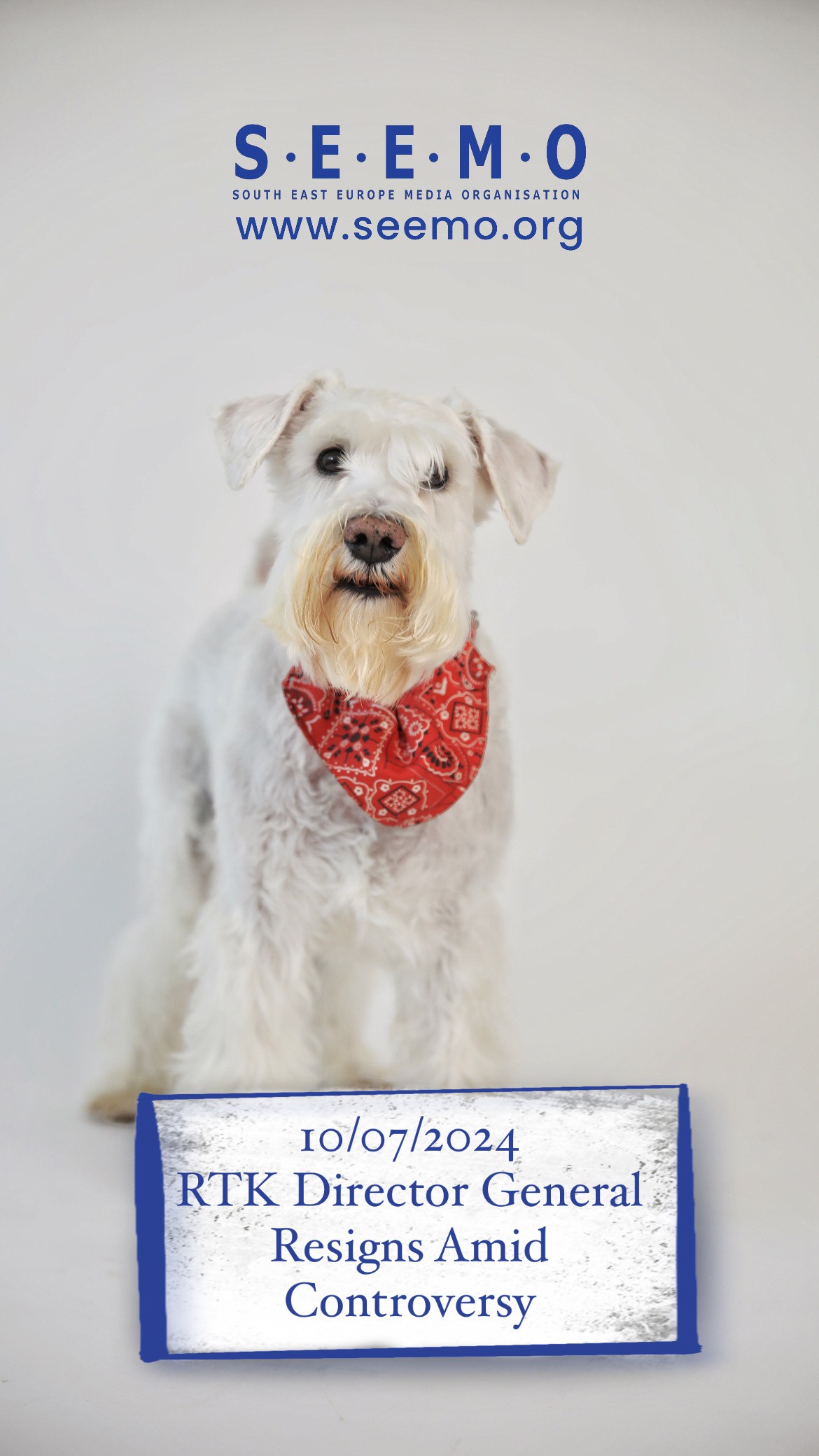
9 July 2024: The EU must do more to prioritise protecting media freedom and human rights in Türkiye

July 10, 2024 disabled comments

Joint meeting- TR Advocacy Meeting 2 July 2024

The EU must do more to prioritise protecting media freedom and human rights in Türkiye 9 July 2024

The undersigned media freedom, human rights and journalists’ groups call on the new European Commission and the new European Parliament to strengthen their commitment to protecting journalists’ rights and freedom of expression in their relations with Türkiye.

Relations between the European Union and Türkiye have been at an impasse for several years with Türkiye occupying the status of an applicant country in a process that has long since stalled. The EU institutions need to find a way to reinvigorate relations and ensure that the protection of human rights is front and centre of those relations.

Over the past two decades, Türkiye’s government has captured over 90% of the media landscape, including direct control over the country’s public media and indirect control over much of the mainstream media through party-aligned oligarchs. It has abused the power of state advertising to create compliant journalism and weaponized the broadcast regulator, RTÜK, to routinely target broadcasters with financial penalties for
critical news reporting.

The capture of mainstream media has been backed by a mass crackdown on independent media, including the arrests of hundreds and prosecutions of thousands of journalists in the years since the failed coup of 2016. While the number of journalists behind bars has fallen dramatically, hundreds continue to face prosecution leading to ever growing levels of self-censorship. During 2023, at least 207 journalists faced trial and at least 22 of them were sentenced to prison or fined with 22 convictions.

Journalists face assaults, trolling and smear campaigns from government-aligned media. The police routinely arrest journalists at demonstrations and prevent them from reporting. According to the Mapping Media Freedom database, which documents media freedom violations across EU Member States and candidate countries, since July 2023, 168 alerts have been located in Türkiye.

The 2022 Disinformation Law has seen at least 30 legal actions taken against journalists in 2023 and pressured online platforms to readily self-censor content that the government deems to be disinformation or a threat to national security. Algorithmic bias already channels over 80% of news searchers on Google to pro-government media forcing independent media to exist in a restricted news bubble.

This hostile economic and judicial environment muzzles journalism and denies the public access to a plurality of media sources.

Meanwhile Turkish journalists face an increasingly restrictive process for obtaining visas to EU Member States with delays and some journalists being simply refused. This trend undermines the ability of Türkiye’s journalists to build and sustain links to their peers abroad.

During a high-level delegation visit to Brussels in June 2024, invited by the outgoing EU Ambassador to Türkiye, an experienced journalist was refused a visa by the Belgian Embassy, despite having an invitation from the European Commission. This and other examples of arbitrary visa denials creates another barrier to Turkish journalists’ reporting. EU Member States should immediately act to ease the process for journalists
from Türkiye to obtain visas for professional purposes.

We urge European governments and policy makers to ensure media freedoms and fundamental rights are placed at the heart of future relations with Türkiye, and call for them to:

Facilitate the procedure for Turkish journalists to obtain Schengen visas; Provide support, including direct financial grants, to media organisations in Türkiye; React strongly to incidents of attacks on journalists and take concrete measures to support journalists, including emergency support; Develop a clear, comprehensive and consistent relationship with Türkiye’s authorities in order to facilitate the review of policies and the repeal of legislation that is not compliant with international and
European standards on the freedom of expression.

Signed

International Press Institute (IPI) 
ARTICLE 19
Articolo 21
Committee to Protect Journalists (CPJ)
Danish PEN
European Centre for Press and Media Freedom (ECPMF)
The European Federation of Journalists (EFJ)
IFEX
Index on Censorship
IPS Communication Foundation/bianet
Media and Law Studies Association (MLSA)
Osservatorio Balcani Caucaso Transeuropa [OBCT]PEN International
PEN Norway
Platform for Independent Journalism (P24)
Progressive Journalists Association (ÇGD)
Reporters Without Borders (RSF)
South East Europe Media Organisation (SEEMO)
Swedish PEN
The Turkey Human Rights Litigation Support Project (TLSP)

in Turkish

Avrupa Birliği (AB), Türkiye’de medya özgürlüğü ve insan haklarının korunmasını önceliklendirme yönünde daha fazlasını yapmalıdır

Aşağıda imzası bulunan medya özgürlüğü, insan hakları ve gazetecilik meslek kuruluşları; AB seçimlerinin ardından Avrupa Komisyonu ve Avrupa Parlamentosu’nu, Türkiye ile ilişkilerinde gazetecilerin haklarını ve ifade özgürlüğünü koruma taahhüdünü güçlendirmeye çağırmaktadır.

AB-Türkiye ilişkileri, Türkiye’nin uzun süredir aday üye ülke statüsünde olması nedeniyle son yıllarda çıkmaza girmiştir. AB kurumlarının, Türkiye ile ilişkilerini canlandırması ve bu süreçte insan haklarının korunmasının merkezi bir rol oynaması gerekmektedir.

Son 20 yılda, Türkiye hükümeti ulusal medyanın %90’ından fazlasını ele geçirmiştir. Bu, ülkedeki kamu medyasını doğrudan kontrol etmenin yanı sıra hükümete yakın iş insanları aracılığıyla ana akım medyanın büyük bir bölümünü dolaylı olarak kontrol etmeyi de içermektedir. Bu durum, resmi ilan ve reklamların kötüye kullanılması yoluyla itaatkâr tipte bir habercilik ortaya çıkarmış, radyo ve televizyon faaliyetlerini düzenleme
ve denetlemeyle yükümlü RTÜK’ü araçsallaştırarak eleştirel haberleri rutin olarak hedef almıştır.

Ana akım medyanın ele geçirilmesi, bağımsız medyaya yönelik geniş çaplı bir baskı ile de desteklenmiştir. 2016’daki başarısız darbe girişiminden bu yana yüzlerce gazetecinin tutuklanması ve binlercesinin yargılanması buna dahildir. Hapisteki gazeteci sayısı önemli ölçüde azalmıştır, ancak yüzlerce gazeteci hâlâ yargılanmakta ve bu da gazeteciler arasında otosansürün artmasına yol açmaktadır. 2023 yılı boyunca, en az 207 gazeteci yargılanmış, en az 22’si hapse atılmış veya para cezasına çarptırılmıştır.

Gazeteciler hükümet yanlısı medya kuruluşlarının saldırıları, çevrimiçi troller ve karalama kampanyaları ile karşı karşıya kalmaktadır. Polis, toplumsal gösteriler sırasında gazetecileri sıklıkla göz altına almakta ve haber yapmalarını engellemektedir. AB Üye Devletler ve aday ülkeler düzeyinde medya özgürlüğü ihlallerini belgeleyen Medya Özgürlüğü Acil Müdahale (MFRR) veri tabanına göre Temmuz 2023’ten bu yana Türkiye’de gazetecilere yönelik en az 168 hak ihlâli kaydedilmiştir.

2022’de yürürlüğe giren Dezenformasyon Yasası, 2023 yılında en az 30 gazeteci hakkında soruşturma başlatılmasına yol açmış ve çevrimiçi platformları, hükümetin dezenformasyon ya da ulusal güvenliğe yönelik tehdit olarak gördüğü içerikleri sansürlemeye itmiştir. Google algoritmik yanlılık nedeniyle haber arayanların %80’inden fazlasını hükümet yanlısı medyaya yönlendirerek bağımsız medyanın son derece
sınırlı bir çerçevede sıkışıp kalmasına sebep olmaktadır.

Gazetecilere yönelik bu düşmanca ekonomik ve hukuki ortam, gazeteciliği susturmakta ve halkın çeşitlilik içeren medya kaynaklarına erişimini engellemektedir.

Bununla birlikte, Türkiye’den AB Üye Devletlerine vize başvurusunda bulunan gazeteciler giderek daha kısıtlayıcı bir süreçle karşı karşıya kalmaktadır. Vizelerdeki gecikmeler ve bazı gazetecilerin başvurularının doğrudan reddedilmesi, Türkiye’deki gazetecilerin yurt dışındaki meslektaşlarıyla bağlantı kurma ve geliştirme imkânlarını baltalamaktadır.

Haziran 2024’te, görev süresi tamamlanan AB Türkiye Delegasyonu Başkanı Büyükelçi tarafından Brüksel’e davet edilen üst düzey bir heyet ziyareti sırasında deneyimli bir gazeteciye, Avrupa Komisyonu’ndan davet almış olmasına rağmen Belçika Büyükelçiliği tarafından vize verilmemiştir. Bu ve bunun gibi örnekler, Türkiye’den gazetecilerin haber yapmalarının önünde bir engel daha oluşturmaktadır. AB Üye Devletleri, Türkiye’deki
gazetecilerin mesleki amaçlar için vize alma sürecini kolaylaştırmak için derhal harekete geçmelidir.

Avrupa hükümetlerini ve politika yapıcıları, yeni AB Dönem Başkanlığı süresince Türkiye ile yürütülecek ilişkilerin merkezine medya özgürlükleri ve temel hakların alınmasını sağlamaya çağırıyor ve;

Gazetecilerin Schengen vizesi alma süreçlerini kolaylaştırmaları; Türkiye’deki medya kuruluşlarına mali hibeler dahil olmak üzere destek sağlamaları; Gazetecileri hedef alan saldırılara güçlü bir şekilde tepki vermeleri ve acil destek de dahil olmak üzere gazetecileri desteklemek için somut önlemler almaları; Türkiye makamları ile açık, kapsamlı ve tutarlı bir ilişki geliştirerek, Türkiye’nin ifade özgürlüğü konusunda uluslararası ve Avrupa düzeyindeki standartlara uymayan yasa ve politikalarını gözden geçirmesini kolaylaştıracak adımlar atmaları taleplerinde bulunuyoruz.

İmzalayanlar
Uluslararası Basın Enstitüsü (IPI)
ARTICLE 19
Articolo 21
Avrupa Basın ve Medya Özgürlüğü Merkezi (ECPMF)
Avrupa Gazeteciler Federasyonu (EFJ)
Bağımsız Gazetecilik Platformu (P24)
Çağdaş Gazeteciler Derneği (ÇGD)
Danimarka PEN
Gazetecileri Koruma Komitesi (CPJ)
Güney Doğu Avrupa Medya Örgütü (SEEMO)
IFEX
IPS İletişim Vakfı/bianet
İsveç PEN
Medya ve Hukuk Çalışmaları Derneği (MLSA)
Osservatorio Balcani Caucaso Transeuropa [OBCT]PEN Norveç
Sansür Endeksi (Index on Censorship)
Sınır Tanımayan Gazeteciler (RSF)
Türkiye İnsan Hakları Davalarına Destek Projesi (TLSP)
Uluslararası PEN

This statement was produced by IPI as part of the Media Freedom Rapid Response (MFRR), a Europe-wide mechanism which tracks, monitors and responds to violations of press and media freedom in EU Member States and candidate countries, funded by the European Commission.

10.07.2024 – RTK Director General Resigns Amid Controversy

July 10, 2024 disabled comments

The recent resignation of Shkumbin Ahmetxhekaj, @Shkumbin_Ah, the Director General of Radio Television of Kosovo (RTK – https://www.rtklive.com/), has drawn significant concern and attention. Ahmetxhekaj, a journalist with the Kosovo Public Broadcaster, cited “seven months of political pressure” and significant disagreements with the RTK Board over fundamental issues regarding the broadcaster’s future as the reasons for his departure.

Ahmetxhekaj expressed his frustration over the alleged lack of support from the Board, emphasizing the need for a General Director to have full backing in forming their team and protection from political interference. Despite his willingness to continue working until the completion of certain projects, his request was allegedly ignored by the Board, leading to his resignation. He underscored the importance of protecting RTK from political pressures to ensure its role as a public broadcaster serving the people’s interests. Through a post on Facebook, Ahmetxhekaj said that his decision does not mean surrender, but is “the culmination of a 7-month political pressure”.

The RTK Board’s susceptibility to political influence has been questioned.

Various officials close to the Government and Members of Parliament (MPs), have been accused of allegedly attempting to exert partisan control over RTK, a practice deemed unacceptable in a democratic society. There have also been complaints about the management of Radio Kosova 1, as part of RTK.

Financial stability for RTK remains a pressing issue, with the Government and Assembly called upon to ensure adequate funding and resolve property-related matters instead of applying political pressure and cutting the budget by half. The broadcaster’s role in maintaining media freedom and supporting Kosovo’s democratic processes is crucial, and its staff must be able to work without political or financial constraints.

The resignation of Shkumbin Ahmetxhekaj from his position as Director General of Radio and Television of Kosovo (RTK) due to alleged political pressure and disagreements with the Board has highlighted concerns about potential political interference in the public broadcaster. The South East Europe Media Organisation (SEEMO) will be closely monitoring this case to ensure that RTK’s journalists and staff can operate without political or financial interference, safeguarding media freedom in Kosovo.

The South East Europe Media Organisation (SEEMO) is a regional non-governmental, non profit network of editors, media executives and leading journalists in Southeast, South, East and Central Europe. SEEMO members are in Albania, Armenia, Azerbaijan, Belarus, Bosnia-Herzegovina, Bulgaria, Croatia, Cyprus, Czech Republic, Estonia, Georgia, Greece, Hungary, Kazakhstan, Kosovo, Kyrgyzstan, Latvia, Lithuania, Malta, Moldova (with the territory of Transdnestria), Montenegro, North Macedonia, Poland, Romania, Russia, Serbia, Slovakia, Slovenia, Tajikistan, Turkmenistan, Türkiye / Turkey, Ukraine and Uzbekistan. Austria, Italy, Vatican and San Marino have a special status in SEEMO. SEEMO has over 3000 individual members, and additional media as corporate members.

#fyp #mediafreedom #seemo #freespeech #southeasteuropemediaorganisation #ngo #journalist #kosovo #rtk #ShkumbinAhmetxhekaj #SEEMO #journalistarrested #pressfreedom #mediafreedom #freemedia
09.07.2024 – Russian Journalist Timofei Ilyushin Released by Transnistrian – Transdniestrian Authorities After Detention

July 9, 2024 disabled comments

On 26 June 2024 the separatist authorities of Moldova’s Transnistria – Transdniestria / Pridnestrovie (not international recognized Pridnestrovian Moldavian Republic – PMR / Приднестро́вская Молда́вская Респу́блика) released Russian journalist Timofei Ilyushin (Тимофей Илюшин). Ilyushin, who works for the independent Russian online publication Sotavision (Sota – https://sotavision.world/), had been detained by the authorities in Tiraspol on 24 June 2024 during his reporting. Chisinau’s (Chișinău), Moldova, Reintegration Bureau confirmed the release on 27 June 2024.

Sotavision reported that Ilyushin was detained by the Ministry of State Security in Transdniester (Министерство государственной безопасности ПМР) and was held in a detention center.

You can read the Sotavision article about this case: https://sotavision.world/nash-korrespondent-zaderzhan-v-pridnestrove/

According to official Russian sources, he was expelled from Transdnestria for illegally crossing the border and video filming military facilities in the village of Parcani (Парка́ны). In March 2023, Transdnestrian authorities had declared Ilyushin an “undesirable” person, banning him from the region. For the general Prosecutor’s Office of the Russian Federation the activities of the foreign non-governmental organization Sota media, are unwanted on the territory of the Russian Federation.

According to officials in Tiraspol, “for illegally crossing the state border of Transnistria, Timofey Ilyushin was detained for 48 hours until the circumstances were clarified, and then under Art. 18.1 of the Code of Administrative Offenses of the PMR Violation of the regime of the state border of the PMR expelled from the territory of the republic”.

Timofei Ilyushin gained media attention in 2021 after participating in protests in Moscow (Москва), Russia, and subsequently emigrating to Bishkek (Бишкек), Kyrgyzstan. In early 2023, his grandmother in Moscow was allegedly threatened due to his anti-army posts. Collaborating with Sotavision from January 2023, Ilyushin reported harassment by Kyrgyz authorities linked to his attempt to organize an rally, leading him to flee to Transnistria. There, he faced accusations of undermining constitutional order due to his journalistic activities, prompting another escape to Chisinau, where he sought political asylum and attempted to start a media outlet on Transnistria. Despite being previously declared an “undesirable person” in Transnistria, Ilyushin returned for unknown reasons and continued to criticize its authorities.

The South East Europe Media Organisation (SEEMO) condemns the detention of journalist Timofei Ilyushin by the separatist authorities in the not international recognised Moldova’s Transdniester region. Such actions represent a blatant violation of press freedom and the fundamental rights of journalists to carry out their work without fear of persecution. SEEMO will be closely monitoring this situation and urges the authorities to respect the principles of free and independent journalism.

The South East Europe Media Organisation (SEEMO) is a regional non-governmental, non profit network of editors, media executives and leading journalists in Southeast, South, East and Central Europe. SEEMO members are in Albania, Armenia, Azerbaijan, Belarus, Bosnia-Herzegovina, Bulgaria, Croatia, Cyprus, Czech Republic, Estonia, Georgia, Greece, Hungary, Kazakhstan, Kosovo, Kyrgyzstan, Latvia, Lithuania, Malta, Moldova (with the territory of Transdnestria), Montenegro, North Macedonia, Poland, Romania, Russia, Serbia, Slovakia, Slovenia, Tajikistan, Turkmenistan, Türkiye / Turkey, Ukraine and Uzbekistan. Austria, Italy, Vatican and San Marino have a special status in SEEMO. SEEMO has over 3000 individual members, and additional media as corporate members.

#fyp #mediafreedom #seemo #freespeech #southeasteuropemediaorganisation #ngo #journalist #moldova #sotavision #TimofeiIlyushin #journalistdetained #SEEMO #journalistarrested #pressfreedom #mediafreedom #freemedia
08.07.2024 – Insajderi Journalists Face Threats After Reporting on Arrest

July 8, 2024 disabled comments

Kosovo authorities must quickly and thoroughly investigate recent threats made against the staff of the online investigative newsportal Insajderi – @gazetainsajderi (https://insajderi.org/), ensuring the perpetrators are brought to justice and the journalists’ safety is guaranteed.

On 24 and 25 June 2024 Insajderi received numerous threatening phone calls from different numbers, demanding the removal of an article published on 24 June 2024. The article detailed the arrest of a 33-year-old man, wanted by Interpol for alleged offenses such as money laundering, fraud, and document forgery, based on a request from Swiss authorities. He was apprehended by Kosovo police at the Vërmicë / Vrbnica border crossing between Kosovo and Albania.

The callers, who identified themselves as family members of the arrested individual, threatened to set fire to the newsroom if the article was not removed, ominously stating that keeping the journalists alive was a mistake.

The webportal has been subjected to numerous threats of physical violence since its establishment in 2016. In 2016 the media received a phone call from a high level politician, threatened one journalist because of an article. In 2018 was a death threats against the team of Insajderi by the owner of local company. In 2021, former editor-in-chief Vehbi Kajtazi received death threats, and in February 2021 Visar Duriqi, Insajderi’s editor-in-chief, was assaulted by masked attackers outside his home. In 2023 a reporter from Insajderi was physical attacked in Vushtrri / Vučitrn by a local religious representative. Despite these repeated threats, police have made minimal progress in resolving these incidents.

This recent series of threats underscores the continuing challenges journalists face in Kosovo, including smears, physical violence, and slow judicial processes. Ensuring the safety of journalists and addressing the impunity for crimes against them remains critical.

The South East Europe Media Organisation (SEEMO)strongly condemns the recent threats of physical violence made against the staff of Insajderi. Such intimidation tactics, including threats of arson and ominous warnings like “We made a mistake by letting you live,” are unacceptable and represent a direct attack on press freedom. SEEMO will closely monitor the situation and calls on Kosovo authorities to conduct a thorough investigation, bring the perpetrators to justice, and ensure the safety of all journalists involved.

The South East Europe Media Organisation (SEEMO) is a regional non-governmental, non profit network of editors, media executives and leading journalists in Southeast, South, East and Central Europe. SEEMO members are in Albania, Armenia, Azerbaijan, Belarus, Bosnia-Herzegovina, Bulgaria, Croatia, Cyprus, Czech Republic, Estonia, Georgia, Greece, Hungary, Kazakhstan, Kosovo, Kyrgyzstan, Latvia, Lithuania, Malta, Moldova (with the territory of Transdnestria), Montenegro, North Macedonia, Poland, Romania, Russia, Serbia, Slovakia, Slovenia, Tajikistan, Turkmenistan, Türkiye / Turkey, Ukraine and Uzbekistan. Austria, Italy, Vatican and San Marino have a special status in SEEMO. SEEMO has over 3000 individual members, and additional media as corporate members.

#fyp #mediafreedom #seemo #freespeech#southeasteuropemediaorganisation #ngo #journalist #kosovo #insajderi #journalistattacked #SEEMO#journalistarrested #pressfreedom #mediafreedom#freemedia

05.07.2024 – Vandalism Strikes OK Radio Cafe Multiple Times in Recent Years

July 5, 2024 disabled comments

On the morning of 30 June 2024, an unknown individual or group, smashed the window of the former “No Comment” cafe, associated with OK Radio (https://www.okradio.rs/) from Vranje, Serbia. This incident marks yet another act of vandalism against the OK Radio in the past two and a half years. Due to several attacks, vandalism and intimidation, the cafe is closed since August 2022. The premises of OK Radio are located in that cafe, and the work of the radio was financed from the cafe income.

In April 2022, unknown perpetrators broke the cafe’s windows in the early morning hours. Despite having security camera footage, the culprits remain unidentified.

In early June of the same year, an individual entered the cafe in the afternoon and destroyed the entire interior with paint sprayed from a disperser. A week later, a wall was erected in front of the OK Radio window. Till today it was not removed.

As next step Veran Matić, the president of the Association of Independent Electronic Media (ANEM), who is also member of the Permanent Working Group for Security of Journalists in Serbia, was attacked in June 2022 because of his public support for OK Radio. Posters with his photo were put up in the city. The posters state that Matić is “demolishing” around the city.

The earlier destruction of OK Radio’s property is linked to one person, who allegedly wanted to buy the premises of OK Radio. Following several separate trials, one individual was sentenced to 14 months in prison for violent behavior towards OK radio owner Olivera Vladković and financial director Svetlana Ivanova, as well as to a year and a half for endangering their safety and threatening journalists who attended the trial.

The South East Europe Media Organisation (SEEMO) strongly condemns the repeated acts of vandalism against the OK Radio and the persistent intimidation of its staff and owner. These malicious actions, which have escalated over the past two and a half years, represent a blatant attack on the freedom of the press in south Serbia and the safety of media workers. SEEMO will be closely monitoring this situation and urges the authorities to take immediate and effective measures to identify and prosecute the perpetrators, ensuring the protection of media institutions and their right to operate without fear of violence or harassment.

You can read the previous SEEMO article about this case here: https://seemo.org/ressources/10-07-2023-protection-of-local-media-in-serbia-case-ok-radio/

The South East Europe Media Organisation (SEEMO) is a regional non-governmental, non profit network of editors, media executives and leading journalists in Southeast, South, East and Central Europe. SEEMO members are in Albania, Armenia, Azerbaijan, Belarus, Bosnia-Herzegovina, Bulgaria, Croatia, Cyprus, Czech Republic, Estonia, Georgia, Greece, Hungary, Kazakhstan, Kosovo, Kyrgyzstan, Latvia, Lithuania, Malta, Moldova (with the territory of Transdnestria), Montenegro, North Macedonia, Poland, Romania, Russia, Serbia, Slovakia, Slovenia, Tajikistan, Turkmenistan, Türkiye / Turkey, Ukraine and Uzbekistan. Austria, Italy, Vatican and San Marino have a special status in SEEMO. SEEMO has over 3000 individual members, and additional media as corporate members.

#fyp #mediafreedom #seemo #freespeech #southeasteuropemediaorganisation #ngo #journalist #serbia #OKradio #vranje #SEEMO #journalistarrested #pressfreedom #mediafreedom #freemedia
04.07.2024 – MediaLook Targeted by Cyber Attacks and Social Media Shutdowns

July 4, 2024 disabled comments

On 30 June 2024, the personal Facebook account of Elvin Luku, the founder of MediaLook (https://www.medialook.al/) and the Albanian MediaLook Center (https://www.facebook.com/qendrashqiptaremedialook/), was shut down, disrupting access to their social media profiles. Fortunately, the profiles were recovered due to duplicate administration rights.

The reasons for this attack remain unclear. Since 8 June 2024, MediaLook, in collaboration with the Association of Professional Journalists of Albania (Gazetarët Profesionistë të Shqipërisë – APJ Albania – https://www.ifj.org/join-ifj/individual-member/albania), has been hosting roundtables discussing propaganda, disinformation, and the media landscape in Albania.

This social media closure follows a series of a distributed denial-of-service (DDoS) attacks on the MediaLook website that began in early April 2024. These attacks have intermittently disrupted services, posing a persistent cyber threat to the organization. The attacks were originating from IP addresses in India, Pakistan, and Russia. These cyberattacks aim to overwhelm the targeted server, rendering it unusable by flooding it with excessive traffic.

MediaLook, founded by journalist and mass communication researcher Elvin Luku on 13 June 2018, serves as a media about media platform. Continuous disruptions and baseless accusations of violating community standards can undermine the credibility of MediaLook, which is dedicated to analyzing media practices and acting as a media watchdog. The fear of further attacks or closures may lead to self-censorship, preventing MediaLook and similar organizations from publishing certain content.

Earlier this year, Citizens Channel (https://citizens.al/) experienced similar attacks. Following the publication of an investigation, Citizens faced DDoS attacks and subsequent social media content removals on Facebook and Instagram. These attacks were coordinated, targeting multiple profiles simultaneously.

Such cyberattacks pose severe risks to online presence, potentially leading to platform shutdowns and reduced visibility of content due to disrupted engagement algorithms. The ongoing cyber threats underscore the urgent need for enhanced cybersecurity measures and continued advocacy for press freedom and the protection of independent journalism.

The South East Europe Media Organisation (SEEMO) will continue to monitor the developments connected to MediaLook and its administrator, Elvin Luku. Actions to silence critical voices and undermine press freedom in Albania are not acceptable. SEEMO calls the officials in Albania for immediate and thorough investigations to bring the perpetrators to justice and urges authorities to ensure the safety and integrity of MediaLook’s operations.

The South East Europe Media Organisation (SEEMO) is a regional non-governmental, non profit network of editors, media executives and leading journalists in Southeast, South, East and Central Europe. SEEMO members are in Albania, Armenia, Azerbaijan, Belarus, Bosnia-Herzegovina, Bulgaria, Croatia, Cyprus, Czech Republic, Estonia, Georgia, Greece, Hungary, Kazakhstan, Kosovo, Kyrgyzstan, Latvia, Lithuania, Malta, Moldova (with the territory of Transdnestria), Montenegro, North Macedonia, Poland, Romania, Russia, Serbia, Slovakia, Slovenia, Tajikistan, Turkmenistan, Türkiye / Turkey, Ukraine and Uzbekistan. Austria, Italy, Vatican and San Marino have a special status in SEEMO. SEEMO has over 3000 individual members, and additional media as corporate members.

#fyp #mediafreedom #seemo #freespeech #southeasteuropemediaorganisation #ngo #journalist #albania #elvinluku #medialook #SEEMO #journalistarrested #pressfreedom #mediafreedom #freemedia @ElvinLuku