
14/12/2009: IPI / SEEMO Joint Statement: Another newspaper closed in Turkey – Court says weekly Aydınlık praised terrorism

14/12/2009: IPI / SEEMO Joint Statement: Another newspaper closed in Turkey – Court says weekly Aydınlık praised terrorism

December 14, 2009 disabled comments

An Istanbul criminal court has again ordered the temporary closure of a Turkish newspaper, after accusing it of publishing propaganda for a terrorist organisation, IPI Turkey reported. The 9 December decision to prohibit publication of the weekly Aydınlık for one month constitutes at least the third newspaper ban this year in Turkey.

In June, and again in August, Istanbul’s criminal courts suspended the operations of Günlük newspaper for a period of one month on similar charges.

The latest decision, issued by Istanbul’s 14th Criminal Court, states that several recent articles in Aydınlık – an official newspaper of Turkey’s ‘Workers’ Party’ (‘İşçi Partisi’) – “praised a terrorist organisation,” while “making state officers the target of a terrorist organisation.”

There is no indication that related charges will be brought against the newspaper or any of its employees.

Aydınlık’s management, who first heard about the court order on the day of its issue, deny praising terrorism, and were not immediately aware which articles the court order referred to.

In a press release issued shortly after they received the court decision, Aydınlık claimed authorities have targeted it following its recent publication of a series of articles detailing wiretapped conversations between Turkey’s Prime Minister, Recep Tayyip Erdogan, and Northern Cyprus’s President, Mehmet Ali Talat.

Police had even arrested Aydınlık’s editor-in-chief, Deniz Yildirim, on 19 October, seizing his computer and stating that individuals linked to the so-called “Ergenekon” plot to overthrow the government were behind the wiretaps.

Yildirim was released soon after.

In a statement issued in response to the closure of Aydınlık, IPI Turkey called for the repeal of the laws that allow prosecutors to shut newspapers in this fashion, stating that: “in a democratic country, it is not possible to apply penalties without the occurrence of a crime. This is possible only in totalitarian regimes.”

IPI Director, David Dadge said: “The shutting down of newspapers in this manner must not be allowed to continue. The Turkish government must address a legal system that permits courts to carry out such arbitrary closures, which in the case of the Aydınlık looks suspiciously like an act of reprisal for its news reporting.”

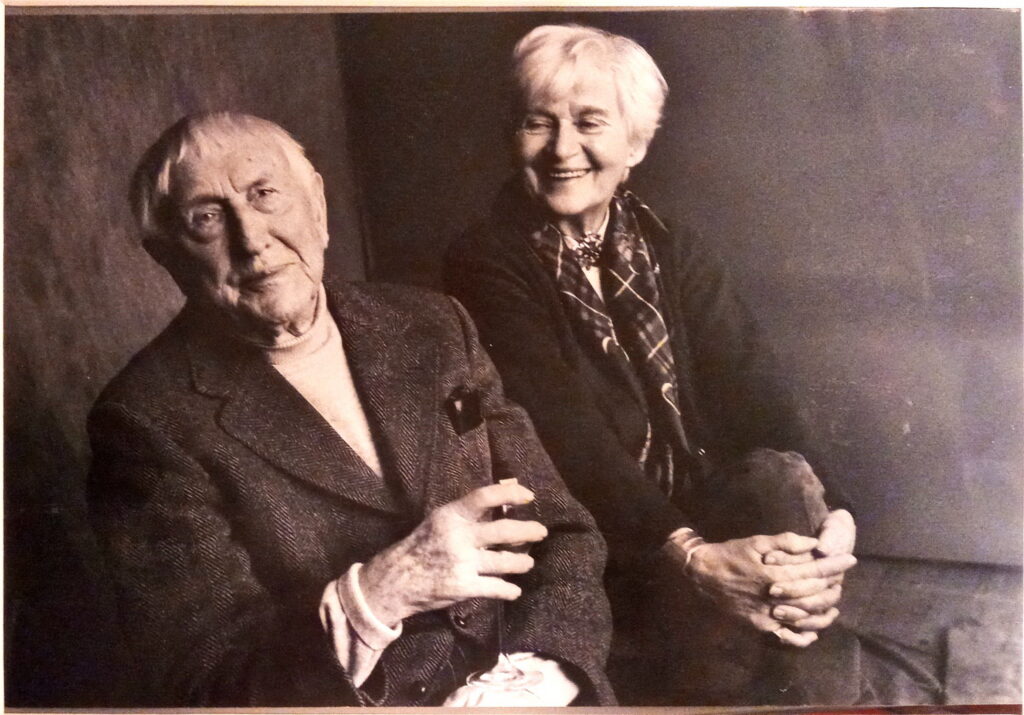
Christine von Kohl (1923-2009)

September 24, 2009 disabled comments

ELEGANZ DER ERFAHRUNG
Mit Wolfgang Libal und Christine von Kohl auf Überlandpartie
von Herbert Maurer

„Christl, bitte nicht schon wieder“ … „Wolfili, ich fahre nicht zu schnell … „. Ein die Existenz beschwörender oder die Existenz retten wollender dezenter Hilfeschrei, Teil eines Dialogs, der in einem viel zu kleinen Mietauto bei überhöhter Geschwindigkeit auf einer unübersichtlichen Landstraße im nord-niederösterreichischen Hügelland in Richtung Niederleis in Gegenwart des Autors dieser Zeilen (auf dem Rücksitz) so stattgefunden hat. Der Grund für den riskanten Ausflug zweier weit über 80jähriger: Einige Flaschen Rotwein, die wegen der Straßenunebenheiten im Kofferraum schepperten, sollten neu befüllt werden.
Besagter Herr, „Wolfili“, auch Herr Doktor genannt, oder „Ernst Jünger, frisch vom Pferd gestiegen“ sieht ohne Panik aber sehr bestimmt und dann doch wieder unverwandt in die Landschaft hinauf. „Du sag, wohnen da nicht die Soundsos – er deutet großzügig in die Landschaft. Auf einer Anhöhe ist eines der üblichen Schlösschen eines Landadeligen auszumachen, ob gerade verspekuliert oder verspielt oder verfallen, ist bei der Fahrtgeschwindigkeit nicht auszumachen. Aber nein, da wohnen doch die Soundsos, die auch bei Deinem Geburtstag waren. „Also die Aussicht in Prag, von der Botschaft, man erspart sich jeden Spaziergang, die Stadt ist hingebreitet, der Frühlingshügel … Christl, es waren aber doch die von damals nicht … In weiterer Ferne, auf einem Höhenrücken sind die Kuppeln der österreichischen Abhörzentrale nahe der tschechischen Grenze auszumachen, streng geheim und ziemlich systemrelevant (für welches System?), ein High-Tech Objekt aus der Zeit des Kalten Krieges, als die Grenze zu Tschechien noch eine richtige Grenze war. Die Bausubstanz der weiß-schimmernden Polyeder ist ebenso brüchig wie die Immobilie des wegen der „Kosten über Kosten“ längst selbstmordgefährdeten adeligen Soundso. Im besagter Bewaldung nahe der nachrichtendienstlich überschatteten Anlage liegt eine Wiesenhang in der Sonne, auf dem wenige Jahre später eine illustre Runde von Journalisten und lesenden Menschen lustwandelte, um die Asche des neben seiner „Christl“ in die Landschaft weisenden Herrn Doktor oder „Ernst Jünger, frisch vom Pferd gestiegen“ in den Wind zu streuen. Ein Hauch von Doktor Libal wurde wohl auch über die grüne Grenze und die Todeszone vom idyllischen Österreich ins leicht verwilderte, postkommunistische Tschechien geweht, die zweite Heimat des würdigen Weißhaarigen in dem weißen Auto von damals auf der Suche nach Wein.

Über die Grenzen hinweg

Gemietet war der Wagen von Christine von Kohl, also Wolfgangs „Christl“, einer dänischen Journalistin, Menschenrechtsaktivistin und Balkanexpertin, so wie ihr Mann. Während sie nicht nur im Weinviertel, sondern auch auf den verschlungenen Straßen der Balkanstaaten mit einer Passion für Tempo, Grenzüberschreitung und das Abweichlerische vom Mainstream unterwegs war, pflegte Dr. Libal einen bedächtigeren Umgang mit dem, was ihm und damit uns, den Lesern seiner Bücher, in den Balkanländern an Geschichte und Lokalkolorit entgegenkam. Wer sich für den Balkan im weitesten Sinn interessiert, dieses Konglomerat an möglichen und unmöglichen Staaten und Kulturen, Religionen, Atheismen und Archaismen, kleinen und großen Katastrophen, leiser und laut um Hilfe schreiender Lyrik, der kommt an der Lektüre der Bücher dieser beiden nicht vorbei. Ihre Karrieren hatten jedoch ganz anders begonnen und sie hatten erst später Kurs auf Südosteuropa genommen: Christine von Kohls Dänemark war und ist alles andere als ein Balkanstaat, wenn auch dort wie da ein Hauch von laissez faire, von historisch bedingter Lässigkeit in der Luft liegt, Wolfgang Libals Tschechien, das Geburtsland eines slawophilen Sudetendeutschen, war und ist wiederum das genaue Gegenteil eines Balkanstaates oder will es zumindest sein, immerhin liegt ja Böhmen auch nicht am Meer. Die spätere „Dänin am Balkan“ (ein sehr analytisches Erinnerungsbuch von ihr trägt diesen Titel) zuvor eine „Dänin in Berlin“, die stets gerne von der Villa ihrer Eltern in Grunewald erzählte, er – Louis von Kohl“ ein bekannter Kulturhistoriker und Sinologe, die Mutter eine Wienerin mit adeligem Background. Das elegante Berlin der 20er Jahre fand für die Verlagsmanagerin und angehende Journalistin im Frankfurt der 60er seine Fortsetzung, erst das Engagement im Helsinki-Komitee und die Übersiedlung als Korrespondentin nach Wien brachte sie – auch im geographischen Sinn, dem Balkan näher.

International statt national

Wolfgang Libal, der sein Prager Deutsch und den Klang des würdevollen Tschechisch der 20er Jahre mit Überzeugung auf den Lippen führte, war über die Jahrzehnte als Agentur-Journalist höchster Präzision verpflichtet, verbunden mit der Grandezza eines diplomatischen Geschulten – sein Sohn sollte dann später auch die diplomatische Karriere einschlagen und seine letzte Auslandmission in besagter deutscher Botschaft in Prag erfüllen. Der Unterschied zwischen dem ersten Dienstort Hamburg und viel später dann Wien konnte für einen distinguierten Stilisten und Gesellschafts-Analytiker wie Libal größer nicht sein

Als sich die beiden in den 60 in Wien, ihrem „Dienstort“ trafen, waren beide schon längst arrivierte Journalisten und Sachbuchautoren, es war mehr als „der Beginn einer wunderbaren Freundschaft“, es war eine mit großer Balance erlebte und ausgelebte Passion zu dem gemeinsamen Thema Balkan im weitesten Sinn, stets auf Reisen, bis ins höchste Alter, bei aller Liebe zur Gemütlichkeit, mit sehr prononciertem Tempo, so sehr, dass Thomas Bernhard, ein Freund der beiden, einmal fragte: Wann und wie und wo seid ihr eigentlich beisammen? Sie hatten gerade ein launisches Radiointerview zum Thema „Ehe unterwegs“ gegeben. Nach den bewegten und produktiven Jahrzehnte zwischen Belgrad, Kopenhagen, Prag und Wien waren die Aktivitäten der nunmehrigen Pensionisten nicht weniger bunt.

Unter Freunden

Wolfgang sagte etwas süffisant „Ruheständler“ zu diesem Zustand der umtriebigen Unruhe, unterbrochen nur durch den einen oder anderen gezielten und mit Freunden zelebrierten Heurigenbesuch. Chrstine von Kohl intensivierte ihre Vortragstätigkeit und gründete als Folge des Balkankrieges die bosnisch-herzegowinische, bzw. postjugoslawische Kulturplattform „Kulturni Centar“, Wolfgang war weiterhin bücherschreibend unterwegs und widmete sich zuletzt der Analyse divers post-tschechoslowakischen Phänomene. Vor alle, und das ist die Brücke zur Zukunft, die die beiden schlugen, wurden die Wohnungen in Wien, in der Benjowskigasse und in der Sieveringerstraße, aber auch die Heurigen in der Umgegend zu Treffpunkten der jungen Journalistengeneration, all jener, die nun „den Balkan neu denken wollten oder als Auslandskorrespondenten in Print, Radio oder Fernsehen jenen präzisen und eleganten Stil erlernen wollten, den die beiden, zwar aus anderen Zeit aber dann doch wieder zeitlos verkörperten. Kein Balkan-Journalist, der etwas auf sich hält, kommt an Libal/Kohl vorbei. Bis zuletzt pflegten die beiden ihren freundeskreis zwischen Politik, Diplomatie, den schönen Künsten, dem Journlismus und betrieben sehr gastfreundlich das, was man heute als „Netzwerken“ bezeichnen würde.

Charme des Erzählens

Doch zurück zum „Stil“, zu jenem eigentümlichen Cocktail aus Charme, historischem Wissen, Lebenserfahrung und professioneller Präzision, den die beiden gerne servierten: Wolfgang Libal war im Spannungsfeld zwischen Jaroslav Hasek und Ernst Jünger groß geworden, oder zwischen „seinem“ Fußballplatz in Melnik nördlich von Prag und diversen diplomatischen Vertretungen zwischen Paris und Bukarest. Die „Welt“ (er schrieb auch für die Tageszeitung desselben Namens) war nichts pathetisch Aufgeblasenes, kein Schlagzeilen-Gebrüll, sondern ein nuancenreiches, feinnerviges Gebilde, eine Zeitskulptur, streng in der Einschätzung und ästhetisch in der Schilderung zugleich. Die in dieser Welt agierenden Menschen, welche einfach nur ihr Leben retten wollten, waren keine Marionetten, keine Abziehbilder, sondern Wesen mit Sehnsucht nach einem klaren Gedanken, der mehr ist als nur eine Überschrift. Christine von Kohl ging das Thema Zivilisation etwas schwungvoller an. Ihre Gesprächspartner, und im Umgang mit Sprachen waren beide nie verlegen, waren stets „dramatis personae“, unentrinnbar mittendrin in ihrer Geschichte, wenn da nicht die Coolness der Hoffnung gewesen wäre, die die Frau Baronin vielen Verzweifelten mit Überzeugung vermittelte. Beruhigender- und irritierenderweise waren sich beide nie sicher, sie hatten kein Weltbild als Trost und Lösung anzubieten, nur, und das ist eine Kultur für sich, die Liebe zur Technik des Fragens und die Passion fürs verstehen Wollen. Die beiden haben insgesamt 148 Jahre gelebt, davon fast die Hälfte gemeinsam und wären heute 98 und 109 Jahre alt, wenn man ihre Texte liest, kommen sie einem aber vor wie „frisch vom Pferd gestiegen“.

Anekdoten:
CVK ist mit Thomas Bernhard in ihrem VW-Käfer auf dem Rückweg von einer Lesung in Eisenstadt. Finsterste Nacht, es schüttet in Strömen, die Straßen sind schlecht, der Rotwein war stark und gut eingeschenkt. In seiner Todesangst gibt der Schriftsteller die jeweiligen Abzweigungen bekannt und singt diese – rezitativ – im Mozart`schen Stil.
Noch zu Titos Zeiten wird bei einer Bärenjagd, zu der das diplomatische Cops von der jugoslawischen Regierung eingeladen war, ein Diplomat von einem anderen irrtümlich erschossen. Um zwischenstaatliche Verwicklungen zu vermeiden, musste der tote Botschafter im Auto heimlich über die Grenze geschafft werden. Die Chauffeuse bei dieser Geheimaktion: Christine von Kohl.

CVK und ihr Mann, damals weit über 80, melden sich nachmittags bestens gelaunt am frühen Nachmittag am Telefon. Was macht ihr gerade? „Wir sitzen hier gemeinsam nackt in der Badewanne und trinken Skenderbek“. „Ja, und …?“ „Weißt Du, wir wollten uns gerade umbringen, aber es hat nicht geklappt, und das muss gefeiert werden“.

Zwei kursorische biographische Skizzen:
Christine von Kohl, als Dänin 1923 in Berlin geboren, war Verlagsmitarbeiterin bei S. Fischer, Journalistin für dänische und schwedische Medien, weiters für NZZ, FAZ, Die Presse, Standard etc., Mitglied der Helsinki-Föderation, Mitarbeiterin im Simon Wiesenthal-Institutes, Gründerin und Leiterin des Kulturni Centar uvm.
Wolfgang Libal, geboren 1912 in Prag, arbeitete lange Jahre als Korrespondent für die dpa, die „Welt“ und andere vor allem deutsche Printmedien, Autor zahlreicher Fachbücher über diverse Staaten Südosteuropas
Herbert Maurer, geboren 1965 in Wien, Schriftsteller, Journalist, Übersetzer, Sprachwissenschafter, Autor von Romanen und Erzählungen, Armenienexperte
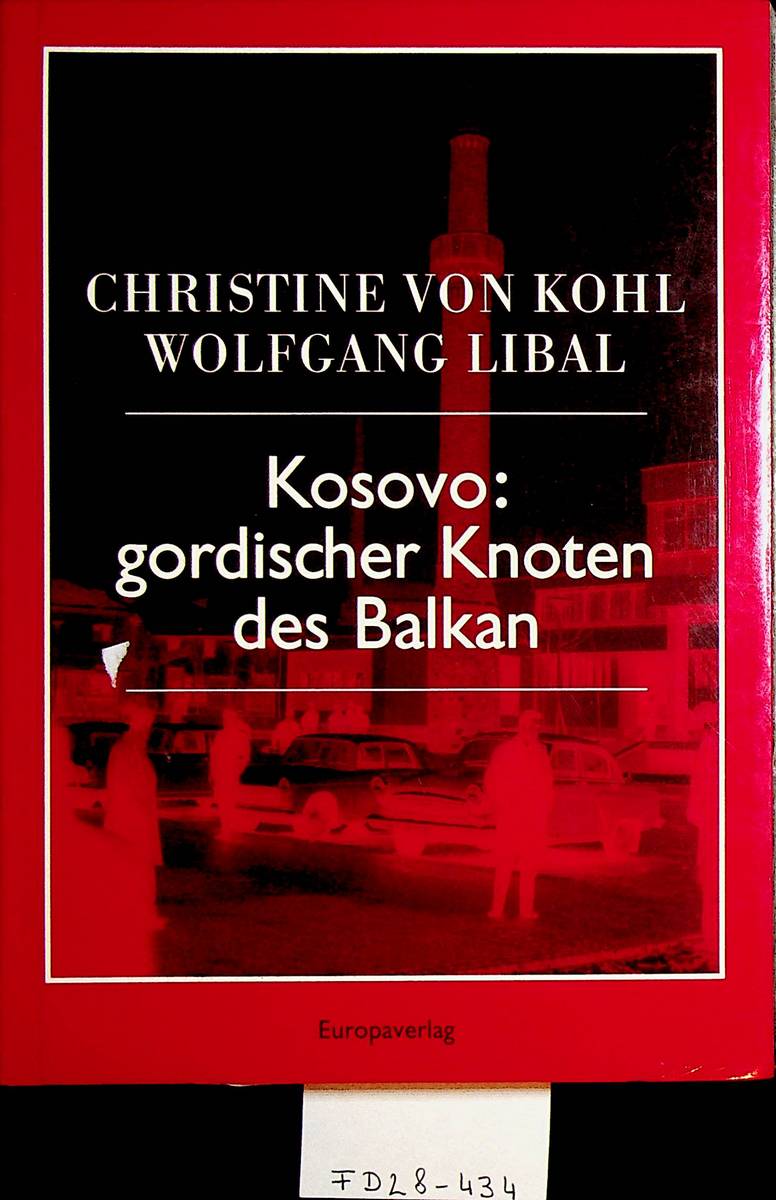
Bibliographie: Unter den vielen Artikeln für diverse Medien sowie in BALKAN und BALKAN ANDERS, sowie diversen Fachbüchern, Reiseberichten und Anthologien seien hier die letzten Bücher erwähnt:
Wolfgang Libal, Die Tschechen, Ibera-Verlag
Christine von Kohl, Eine Dänin am Balkan, Wieser-Verlag
Anthologie: Herbert Maurer (Hrsg.) Sprich günstig mit dem Balkan, Edition Atelier
Fotos: aus dem Archiv der „Presse“
bzw. (siehe Anhang) © Gabriela Brandenstein

HERBERT MAURER
geboren 1965 in Wien, studierte Sprachwissenschaften in Venedig, Köln, Bilbao, Jerusalem und Jerevan. Seine Romane, Gedichte, Theaterstücke, Essays und Übersetzungen sind in deutschen, österreichischen und armenischen Verlagen erschienen. Maurer arbeitet auch für Zeitschriften (LETTRE, Die Presse, Wiener Zeitung, Lichtungen, Literatur und Kritik, INTERNATIONAL etc.) sowie fürs Radio und als Dolmetscher, Vortragender und Moderator. Er wurde mit dem Rheingau-Literaturpreis ausgezeichnet und ist Träger der Franz-Werfel-Medaille.
Eine kurze Werkauswahl:
Gnädige Frau oder die Kunst des Tiefschlafs (Erzählungen, Wieser)
Ein Rabenflug (Roman, Wieser)
Venetia (Erzählungen, Eichborn)
Beata, Beatae … (Gedichte, Thanhäuser)
Pannonias Zunge (Roman, Berlin Verlag)
Bitte Regen (neue armenische Literatur, Wieser)
Und Gott spricht Armenisch (Essays, Klever)
Über den Tod (Essays, Ibera)
Byron schwimmt … (Roman, Klever)
Lebendig Sein (mit Martin Salzer) … (Ibera-Verlag)
Himmlisch trauern (B&B – Verlag)
Ästhetik des Abstands (Sonderzahl – demnächst)
www.herbertmaurer.at

27/08/2009: TURKEY – SEEMO / IPI REACTION: TURKEY BANS GUNLUK NEWSPAPER OVER ALLEGED ‘TERRORIST PROPAGANDA’

August 27, 2009 disabled comments

Vienna, 27/08/2009

An Istanbul criminal court has ordered the closure, for one month, of Gunluk newspaper – which is known for raising issues related to Turkey’s Kurdish minority – over an article considered by the court to constitute propaganda for a terrorist organisation. The article was published earlier this month.

The verdict, handed down on Friday 22 August, did not specify why the article was deemed to be of a terrorist nature. This is the second time the Turkish courts have closed Gunluk since it began publishing earlier this year.

We are concerned that the courts may have found the article to constitute ‘terrorist propaganda’ purely because the views expressed in it do not coincide with those of the government, said IPI Deputy Director Alison Bethel McKenzie. If so, this would constitute government censorship and we would urge that the decision be annulled.

The article in question appeared in the newspaper on 8 August and was entitled Linguistic Rights in the Linguistic Systems of the Developed World: State, Market and Communication Technologies, by a Toronto University academic, Professor Amir Hassanpour.

In the article, which discusses the effects of broadcasting on language worldwide, Hassanpour addresses Turkey’s harsh policies of linguicide against the Kurdish language, while analysing the impact of international Kurdish-language satellite broadcaster MED TV on the cultural significance of Kurdish.

The Kurdistan Workers’ Party (PKK), branded a terrorist organisation by the Turkish government, was mentioned in the article, once in connection with the Turkish authorities’ decision to temporarily ban MED TV for airing an interview with Kurdish militant leader Abdullah Ocalan.

The Public Prosecutor’s Office, which scans the Turkish media, considered the Gunluk report a breach of Article 7(2) of Turkey’s Anti-Terror Law, which criminalises propaganda promoting terrorist organisations, and brought charges against the newspaper.

On 22 August, the Istanbul 13th Criminal Court suspended the newspaper’s operation for a period of 30 days under Article 25(2) of the Press Law.

Local media and human rights organisations have criticised the court’s decision.

One of the real motives behind the closure of the Gunluk newspaper is that authorities want to prevent individuals or groups from becoming active and influential in regard to the solution of the Kurdish question, said Ismail Boyraz, Vice President of Turkey’s Human Rights Association (IHD), in a statement to IPI. The closure of the Gunluk is aimed at making opponent groups voiceless.

In a statement issued yesterday, IPI’s National Committee in Turkey pointed out that the monthly periodical Vesta published the same article by Hassanpour in 2003, and did not receive any criminal prosecution then.

The closure of Gunluk is not acceptable and violates freedom of expression, which is a reference point of democracy, said Ferai Tinc, IPI’s Turkish National Committee Chairperson. Such interpretations of news and commentary are just an excuse to prohibit the newspaper. We call on Turkish authorities to reconsider this decision, and to stop banning newspapers and media outlets purely for expressing their views.

Tinc also pointed to problems in the Turkish press code, which IPI Turkey would like to see reviewed, as they’re contrary to press freedom.

Gunluk was also banned by a Turkish court for a month on 8 June, in response to articles published earlier that month discussing how the abbreviation of the Kurdish Worker’s Party, PKK, should be read, and an opinion piece on the ‘Kurdish Problem,’ according to a statement by IPI’s Turkish National Committee in June.

The newspaper has also reported that other investigations and court cases are currently underway against its correspondents and columnists.

20/08/2009: SLOVENIA – SEEMO / IPI REACTION: TEMPORARY INJUNCTION SLAPPED ON SLOVENE DAILY DNEVNIK OVER BUSINESSMAN CORRUPTION ALLEGATIONS

August 20, 2009 disabled comments

Vienna, 20/08/2009

A temporary court injunction has been slapped on Slovene daily newspaper Dnevnik, preventing it from reporting on an alleged corruption controversy. The newspaper faces heavy financial penalties if it breaches the vaguely worded court order.

The injunction, imposed on 6 August, relates to articles printed in Dnevnik on 29 July in which the newspaper cited an Italian newspaper and other web-based material suggesting the involvement in corruption of an Italian businessman.

Dnevnik continued to report on the issue the following day, prompting lawyers to file a civil libel action against the paper on 30 July, claiming that the newspaper had damaged the businessman’s reputation.

After 30 July, Dnevnik reportedly stopped publishing original material on the issue, limiting its reporting of it to one mention in an editorial column, and the publication on its website of two articles issued by the Slovenian Press Agency.

Less than a week later, on 6 August, Dnevnik received notice of the libel action from Ljubljana District Court, as well as an order banning the newspaper from making any further “indications, accusations, allusions or other similar publications or interventions.”

The penalty for breaching the injunction is an automatic 50,000 Euro fine – which increases, with each further breach, to a maximum of 500,000 Euros.

“This presents a significant financial threat to us,” Ali Zerdin, editor-in-chief of Dnevnik, told IPI. “The information we have is of huge importance for the Slovenian public, but unfortunately we will have to wait before publishing this information for a certain time.”

Press freedom has been a concern in recent years in Slovenia, with journalists claiming that government pressure has been felt in newsrooms, and with new legislation expanding the scope of criminal defamation in the country at a time when many European governments are looking to remove such laws.

At the end of July, Slovenia charged a Finnish journalist, Magnus Berglund, with two counts of criminal defamation in connection to a documentary produced by Berglund linking the former Prime Minister, Janez Jansa, to an alleged arms-deal scandal.

The courts charged Berglund, who now faces up to six months in a Slovene jail, at the request of the lawyer representing Jansa in the matter. That lawyer is also reportedly representing the businessman in his case against Dnevnik. Berglund is not currently in Slovenia.

“While I make no comment on the facts of the case, I am extremely worried that the imposition of a blanket injunction for the duration of the court case leaves the plaintiff with no incentive to pursue the case,” said IPI Director David Dadge. “In effect it could silence the media on this matter for years.”

07/08/2009: SERBIA – EDITOR-IN-CHIEF OF SERBIAN RADIO STATION THREATENED BY LOCAL POLITICIAN

August 7, 2009 disabled comments

Vienna, 07/08/2009

The Vienna-based South East Europe Media Organisation (SEEMO) condemns the threats directed against Radio Lim in Priboj, Serbia, and its editor-in-chief, Danica Guduric. According to information received by SEEMO from the Journalists Association of Serbia (UNS), the threats were made by the Deputy Mayor of Priboj, Dragomir Minic.

On 4 August 2009, Guduric was threatened by the deputy mayor during a telephone conversation between the journalist and the director of a local sports centre and swimming pool. Guduric was investigating a physical attack that occurred at the swimming pool on 3 August 2009. After the director of the sports centre, Misa Jecmenica, confirmed over the telephone that there had been an attack and that the police was informed about the incident, Deputy Mayor Minic took the mobile phone from Jecmenica and, using foul language, threatened the journalist. He also threatened to close down Radio Lim.

“Any threats against journalists, whether physical or verbal, must be condemned,” said SEEMO Secretary General Oliver Vujovic. “We are especially concerned that that this threat came from a public figure, namely the deputy mayor of Priboj. A safe working environment for journalists and the ability to report freely are essential in a democratic society. SEEMO therefore urges the local authorities in Priboj to investigate this case, and also calls upon Deputy Mayor Minic to issue a public apology and to refrain from threatening the media.”

07/08/2009: MONTENEGRO – PHYSICAL ATTACK ON JOURNALISTS BY MAYOR OF PODGORICA AND HIS SON – MONTENEGRO

August 7, 2009 disabled comments

Vienna, 07/08/2009

The South East Europe Media Organisation (SEEMO) is alarmed over the 5 August 2009 assault on two journalists of the independent Montenegrin daily newspaper Vijesti by the Mayor of Podgorica, Miomir Mugosa, and his son Miljan, who works for the Ministry of Foreign Affairs of Montenegro.

Mihailo Jovovic, editor of Vijesti, and Boris Pejovic, a photojournalist, were working on a story on wrong parking in front of a café on Bulevar Svetog Petra Cetinjskog in Podgorica, when they were attacked by the mayor and his son. Although Jovovic identified himself with his press card, Mayor Mugosa and his son continued to physically assault the journalists, using curse words. At one point, a member of the mayor’s group reportedly pointed a gun at Jovovic.

According to Vijesti, the mayor and his son admitted to the police officers who arrived on the scene that they had attacked the journalists. Both Jovovic and Pejovic were injured in the incident. Jovovic was taken to hospital with an ear injury.

This is not the first physical attack on a Vijesti staff member. In 2007, Zeljko Ivanovic, co-owner of the daily, was assaulted by men wielding sticks as he left a restaurant in the centre of Podgorica. Vijesti is well known for its investigative reporting and critical coverage of the government.

Commenting on the incident, SEEMO Secretary General Oliver Vujovic said, It is shocking that a public person like the Mayor of Podgorica, but also his son, who works for the Foreign Ministry, should behave in this aggressive manner toward journalists who were only doing their work, and who even identified themselves accordingly. Vujovic added, SEEMO welcomes the police investigation into this case, but nevertheless urges the authorities in Montenegro to do everything in their power to prevent such incidents from happening in the future.


31/07/2009: SERBIA – SEEMO/IPI CONCERNED ABOUT PROPOSED AMENDMENTS TO SERBIAN LAW ON PUBLIC INFORMATION

July 31, 2009 disabled comments

Vienna, 31/07/2009

The Vienna-based South East Europe Media Organisation (SEEMO), an affiliate of the International Press Institute (IPI), is concerned about proposed Amendments to the Law on Public Information, which were drafted by the Ministry of Culture and Ministry of Justice and accepted during the government session on 9 July 2009.

SEEMO supports Serbian journalists, journalists’ associations and representatives of the media industry in their call for changes to the proposed Amendments.

SEEMO welcomes the desire to create a legal system in Serbia in which the media are able to contribute toward the democratic development of the country, and also welcomes some parts of the proposed Amendments, including regulations for reporting on minors, and regulations that seek to prevent distribution companies from acting in a discriminatory manner against some print media for political reasons.

However, while SEEMO understands that there is a need in Serbia for a degree of media regulation and that the media needs to behave responsibly, it is concerned that the excessive size of the fines called for in the Amendments could discourage investigative journalism, and lead to self-censorship and the closure of some media outlets.

Moreover, SEEMO is concerned that the Serbian government supports a law that could potentially stop the democratic development currently taking place in Serbia. The state must be careful when putting in place legal regulations, especially with regard to the size of financial penalties. Media self-regulation, with its voluntary codes of practice, is the most credible solution for responsible journalism, not regulations imposed by the state.

SEEMO is also surprised by the Serbian government’s lack of transparency and public debate in drafting this law. According to information obtained by SEEMO, well-known Serbian and international media experts were only partly informed about the new law, and were not contacted during the drafting of the changes.

SEEMO is also disappointed in the handling of changes in media laws in Serbia over the past months, and recalls that some weeks ago the National Assembly, acting on a proposal suggested by a group of deputies of the ruling coalition, made changes to the Broadcasting Act without prior public debate.

30/07/2009: SLOVENIA – FINNISH JOURNALIST FACES JAIL TIME IN SLOVENIA OVER BROADCAST ACCUSING GOVERNMENT OF CORRUPTION

July 30, 2009 disabled comments

Vienna, 30/07/2009

IPI/SEEMO Condemns Use of Criminal Defamation Charge to Pressure Journalists

Slovenia has charged Finnish journalist Magnus Berglund with two counts of criminal defamation after a documentary he produced quoted unnamed sources as saying that members of the former Slovene government – including former Prime Minister Janez Jansa – accepted bribes in arms deals with Finnish arms maker Patria.

Berglund made the allegations in a September 2008 documentary produced by Finland’s national broadcaster, YLE, and shown in both Finland and Slovenia, sparking the so-called “Patria Scandal”. Jansa rejected all of the allegations, although a criminal investigation has been launched in Finland, Austria and Slovenia.

Berglund – who faces up to six months in prison if found guilty of criminal defamation – continues to stand by his work.

In a statement issued by YLE, Berglund said that he is “not surprised by the charges,” but that he”plans to avoid travelling to Slovenia anytime soon.”

“They would probably arrest me as soon as I set foot in the country. Fortunately, Finland doesn’t plan to send me there for questioning,” said the journalist.

Jansa, whose position as a public servant allowed him to petition for criminal defamation, requested on 7 October 2008 that the public prosecutor charge Berglund.

According to Slovene law, state and local institutions, civil servants and military personnel can petition for criminal defamation, whereas other individuals are restricted to civil actions.

On 1 June 2009, the public prosecutor asked for a court investigation against Berglund at the District Court of Ljubljana.

Prior to seeking criminal action against Berglund, Jansa’s government had used diplomatic channels to pressure the Finnish government into acting against the broadcaster in question, YLE, stating in a diplomatic note to the Finnish embassy in Ljubljana that such conduct “could shake mutual confidence between the two states” and demanding “appropriate clarification of this matter.”

This pressure was swiftly rejected by the Finnish government, which refused to meddle with the media.

“The Slovenian authorities should drop this case immediately as it flies in the face of law at the European level regarding freedom of expression. The European Court of Human Rights has consistently stated that politicians must expect greater criticism than average citizens, and yet the law prosecuting Berglund was plainly created to enable politicians to evade or escape criticism. As such this unjust law creates different rights for politicians and citizens and cannot be justified in a democratic society”, said IPI Director David Dadge. “Once again I would call on Mr Janas to pursue his grievance through one of the press complaints bodies in either Finland or Slovenia.”

30/07/2009: SERBIA – DEATH THREATS RECEIVED BY SERBIAN JOURNALIST OF BELGRADE WEEKLY VREME

July 30, 2009 disabled comments

Vienna, 30/07/2009

The Vienna-based South East Europe Media Organisation (SEEMO) is deeply concerned over the recent death threats received by Serbian journalist Milos Vasic of the Belgrade weekly Vreme.

According to information before SEEMO, Vasic, who lives and works in Belgrade, was threatened via a letter sent to the daily,Glas Srpske, in Republika Srpska, Bosnia and Herzegovina.

The letter, dated 28 July 2009, was written on the letter paper of the “Serbian Chetnik Movement of Republika Srpska” (Srpski Cetnicki Pokret Republike Srpske) and signed by self-proclaimed Chetnik movement leader Sinisa Vucinic in his capacity as a”Serbian Chetnik Vojvoda,” and by Radovan Vujacic, “technical secretary” of the organisation. According to the letter, which bore the organisation’s stamp, the headquarters of the movement is in Trebinje, Republika Srpska, Bosnia and Herzegovina,

In the letter, Vucinic wrote that he “will try with all [his] capacities to help” that Milos Vasic and Serbian politician Zarko Korac, president of the Social Democratic Union, end the same way as Zoran Djindjic, the former Serbian prime minister, who was assassinated in Belgrade in 2003. In addition, Vucinic, using coarse language, called the journalist Jelena Milanovic, who works for Glas Srpske, a “liar”. Vucinic sent the letter as a “right of reply” to an article published in the daily.

Vucinic also sent a telegram to Glas Srpske on 28 July 2009, in which he asked the paper to “accept his sincere condolences upon the death of Milos Vasic, journalist for Vreme.”

SEEMO urges the authorities in Republika Srpska, Bosnia and Herzegovina, to start an investigation into this case and to take all necessary legal steps. In addition, SEEMO urges the authorities in Serbia to undertake all necessary measures, including 24-hour police security, to ensure the safety of the individuals who have received death threats.

Oliver Vujovic, SEEMO Secretary General, said “The police and state prosecutor in Republika Srpska, Bosnia and Herzegovina, and the police in Serbia must react urgently and put a stop to these and other threats against journalists.”

20/07/2009: MOLDOVA – RECENT MEDIA DEVELOPMENTS IN MOLDOVA

July 20, 2009 disabled comments

Vienna, 20/07/2009

The South East Europe Media Organisation (SEEMO) is alarmed by recent media developments in Moldova. Media representatives are frequently being prevented by the Moldovan authorities from reporting freely, especially following parliamentary elections in April this year.

According to information received by SEEMO, on 12 July 2009 two journalists, Ivan Melnic and Vladimir Thorik from the Moldovan newspaper Moldavskie Vedomosti were forcefully prevented from entering a public meeting attended by Moldovan Prime Minister Zinaida Greceanii in the Palace of Culture in Donduseni, Moldova. The bodyguards of the Prime Minister requested that the police expel the journalists from the premises.

On 15 July 2009, in the small Moldovan town of Sangerei, Prime Minister Greceanii’s bodyguards prohibited three journalists from attending a meeting between Greceanii and businessmen from the region. The journalists were from the local newspapers Ecoul nostru and Plai Sangerean. Prime Minister Greceanii’s bodyguards also prohibited journalist Rodica Nimerenco, from TV station TVPRIM, from entering an election meeting on 9 July 2009.

On 13 July 2009 Moldovan authorities prevented Romanian journalist Gabriel Apetri, from the Romanian Agerpres news agency, from entering Moldova. Apetri held a valid visa but didn’t have a particular medical document not usually requested by the authorities. The incident happened at the Romanian – Moldovan border in the small border town of Vama Sculeni.

On 26 June 2009, MOLD DATA State Enterprise warned the New Media Group Company, which administers the www.unimedia.md news portal, following notification by the Moldovan Prosecutor’s Office that website commentaries made by www.unimedia.mdvisitors were a “call to violence and mass disorder, a call to removal and change of the constitutional system.”

On 3 May 2009, on the occasion of World Press Freedom Day, the Independent Journalism Centre (IJC) in Chisinau experienced difficulties while trying to publicize, as part of a public information campaign, a number of billboards throughout the city quoting various provisions of the Moldovan Constitution, the Press Law and the European Convention on Human Rights.

“What happened in the past weeks is alarming and SEEMO hopes that the officials in Moldova will respect the important position of independent and critical media in the future,” said SEEMO Secretary General Oliver Vujovic, “SEEMO calls upon the Moldovan authorities to investigate these incidents and to respect the right of the free movement of persons and freedom of expression and reporting. Asking for medical documents from journalists on the border was obsolete and a clear matter of press freedom restriction as EU citizens need only their passport to enter Moldova”, Vujovic continued. “Therefore SEEMO urges once more the authorities of the Republic of Moldova to do everything in their power to ensure that the media are allowed to report freely and that the government undertakes to do everything necessary to finally guarantee freedom of expression in Moldova.”