03.07.2024 – Journalist Lepa Dzhundeva Faces Online Harassment and Threats For Weeks

03.07.2024 – Journalist Lepa Dzhundeva Faces Online Harassment and Threats For Weeks

July 3, 2024 disabled comments

North Macedonian authorities must promptly and thoroughly investigate the online harassment and violent threats directed at journalist Lepa Dzhundeva (Лепа Џундева) and ensure her safety.

Dzhundeva, a reporter for the TV channel TV 24 (https://24.mk/), has faced a barrage of social media threats in the past weeks. These messages contain hate speech, nationalistic slurs, sexist and misogynistic comments, and threats of violence. The harassment began on 3 June 2024 after a columnist for one website in North Macedonia, posted on his Facebook page a clip of Dzhundeva’s interview with a Greek Member of Parliament (MP). The clip, in which Dzhundeva refers to the country as North Macedonia, led to a flood of hostile comments. The threats are connected to the fact that Dzhundeva was using the country’s internationally recognized name, North Macedonia.

The Association of Journalists of Macedonia (Здружение на новинари на Македонија AJM / ЗНМ – https://znm.org.mk/) and the Independent Union of Journalists and Media Workers (SSNM – Самостоен синдикат на новинари и медиумски работници) asked on 12 June 2024 the local columnist to publicly apologize. The Association of Journalists of Macedonia submitted on behalf of Dzhundeva on 5 June 2024 an official request for criminal proceedings to the Department for Computer Crime and Digital Forensics at the Central Police Services, Ministry of Internal Affairs (Секторот за компјутерски криминал и дигитална форензика при Централни Полициски Служби Министерството за внатрешни работи).

This case underscores the urgent need for authorities to protect journalists and uphold the principles of free expression and safety in North Macedonia.

The South East Europe Media Organisation (SEEMO) condemns the online harassment and violent threats directed at journalist Lepa Dzhundeva. Such attacks are an unacceptable infringement on press freedom and an affront to democratic values. SEEMO calls on North Macedonian authorities to conduct a swift and thorough investigation, ensuring that those responsible are brought to justice. SEEMO will be closely monitoring this situation to ensure the safety and rights of journalists are upheld.

The South East Europe Media Organisation (SEEMO) is a regional non-governmental, non profit network of editors, media executives and leading journalists in Southeast, South, East and Central Europe. SEEMO members are in Albania, Armenia, Azerbaijan, Belarus, Bosnia-Herzegovina, Bulgaria, Croatia, Cyprus, Czech Republic, Estonia, Georgia, Greece, Hungary, Kazakhstan, Kosovo, Kyrgyzstan, Latvia, Lithuania, Malta, Moldova (with the territory of Transdnestria), Montenegro, North Macedonia, Poland, Romania, Russia, Serbia, Slovakia, Slovenia, Tajikistan, Turkmenistan, Türkiye / Turkey, Ukraine and Uzbekistan. Austria, Italy, Vatican and San Marino have a special status in SEEMO. SEEMO has over 3000 individual members, and additional media as corporate members.

#fyp #mediafreedom #seemo #freespeech #southeasteuropemediaorganisation #ngo #journalist #northmacedonia #LepaDzhundeva #tv24 #journalistattacked #SEEMO #journalistarrested #pressfreedom #mediafreedom #freemedia

02.07.2024 – Journalist Elif Akgül Acquitted of Terror Propaganda Charges

July 2, 2024 disabled comments

Journalist Elif Akgül, who was working as editor in charge for bianet (https://bianet.org/english) from 2012 to 2018, as also as a reporter at IMC TV, a pro-Kurdish broadcaster that had to be closed after the failed military coup in 2016, and is active in the Media and Law Studies Association (MLSA – https://www.mlsaturkey.com/en/home/), has been acquitted of charges related to “continuous terror organization propaganda” stemming from her social media posts in 2018 and 2022. The trial was held at 13th Heavy Penal Court in Istanbul, Türkiye / Turkey. Despite the prosecutor’s insistence on a sentence, the court ruled in Akgül’s favor, concluding that her actions did not constitute a crime.

The case against Akgül originated from a “virtual patrol report” by the Provincial Police Department in Samsun, Türkiye / Turkey, in November 2022. This report highlighted two of Akgül’s tweets (posts on X, former Twitter), one criticizing the Turkish military’s relationship with Islamic State of Iraq and Syria (ISIS) during the Afrin operation, which was a military operation launched by the Turkish Armed Forces and the Turkish-backed Free Syrian Army against the Syrian Democratic Forces in Afrin District in northwestern Syria, and re-sharing a post alleging the use of chemical weapons by the Turkish Armed Forces. The prosecution sought a prison sentence of up to 13.5 years for these posts.

During the second hearing, Akgül and her lawyers argued that her posts were within her rights to freedom of expression. Lawyer Emine Özhasar emphasized that Akgül’s posts, which criticized images showing ISIS members greeting Turkish soldiers and used the term “guerrilla,” did not meet the criteria for a crime.

In her final statement, Akgül emphasized that living in peace and opposing war is her constitutional right, urging the court to uphold the constitutional rights of Turkish citizens. The court ultimately acquitted her, ruling that the legal elements of the crime were not present.

Akgül’s trial underscores the ongoing debates in Türkiye / Turkey regarding freedom of expression and the boundaries of journalistic work. Her acquittal marks a significant moment for media freedom in the country, highlighting the importance of upholding constitutional rights amid increasing pressures on journalists.

Akgül published also the book on “Gender Based Journalism” together with her colleague Çiçek Tahaoğlu. For her reporting on the murder of the Armenian journalist Hrant Dink in 2007 and the subsequent court case, Akgül was awarded the Special Prize of the Metin Göktepe Journalism Award together with her colleague Canan Coşkun. She reports also for the Clooney Foundation.

The South East Europe Media Organisation (SEEMO) praises the acquittal of journalist Elif Akgül, recognizing it as a victory for freedom of expression and journalistic integrity. However, SEEMO remains critical of the charges and the lengthy legal process that Akgül endured, which highlights ongoing concerns about press freedom in Türkiye / Turkey. SEEMO will continue to monitor the situation closely to ensure that journalists can work without fear of unjust persecution.

The South East Europe Media Organisation (SEEMO) is a regional non-governmental, non profit network of editors, media executives and leading journalists in Southeast, South, East and Central Europe. SEEMO members are in Albania, Armenia, Azerbaijan, Belarus, Bosnia-Herzegovina, Bulgaria, Croatia, Cyprus, Czech Republic, Estonia, Georgia, Greece, Hungary, Kazakhstan, Kosovo, Kyrgyzstan, Latvia, Lithuania, Malta, Moldova (with the territory of Transdnestria), Montenegro, North Macedonia, Poland, Romania, Russia, Serbia, Slovakia, Slovenia, Tajikistan, Turkmenistan, Türkiye / Turkey, Ukraine and Uzbekistan. Austria, Italy, Vatican and San Marino have a special status in SEEMO. SEEMO has over 3000 individual members, and additional media as corporate members.

#fyp #mediafreedom #seemo #freespeech #southeasteuropemediaorganisation #ngo #journalist #turkey #ElifAkgül #SEEMO #journalistarrested #bianet #pressfreedom #mediafreedom #freemedia @akgulelif

01.07.2024 – Alarming Threats Against Kosovo Journalist and Attack by MP on Flutura Kusari

July 1, 2024 disabled comments

Kosovo-Journalist Vullnet Krasniqi, who is working for Nacionale (https://nacionale.com/) has recently faced a severe death threat, delivered through a TikTok video by a resident of the Preshevo Valley (Lugina e Preshevës / Preševska dolina), Serbia. The video contained explicit and violent language, with the individual threatening to harm Krasniqi and his family. Krasniqi has reported the incident to the Kosovo Police, and there are urgent calls for immediate action to locate and apprehend the individual responsible. There is also an urgent need for police protection to ensure Krasniqi’s safety, highlighting the severity of the threat and its potential impact on press freedom.

Simultaneously, concerns about media freedom in Kosovo have escalated due to recent statements by a Member of Parliament (MP) from one of the political parties in Kosovo, who used his platform in the Kosovo Parliament to launch unprecedented attacks on the media and civil society members. During his speech, he boasted about halting financial flows to the media. This MP specifically targeted media lawyer and press freedom activist Flutura Kusari, accusing her of attempting to dictate parliamentary actions under the guise of media freedom. He accused her of publicly attempting to dictate parliamentary decisions on the Independent Media Commission (IMC) law while supporting oligarchs under the guise of media freedoms.

Flutura Kusari leads the European Centre for Press and Media Freedom (ECPMF – https://www.ecpmf.eu/) legal support program, helping media workers across Europe. She co-leads the Anti-SLAPP efforts in Europe and is an expert for the EU and Council of Europe. She holds a PhD in Media Law from Ghent University, Belgium.

In response to these incidents, South East Europe Media Organisation (SEEMO) strongly condemns the recent attacks on media freedom in Kosovo and urges the authorities to take decisive steps to safeguard journalists’ rights and ensure a free and open media environment. SEEMO stresses that such attacks are a serious infringement on press freedom and calls for immediate measures to protect journalists and uphold democratic values in the region. SEEMO stands in solidarity with Flutura Kusari.

The South East Europe Media Organisation (SEEMO) is a regional non-governmental, non profit network of editors, media executives and leading journalists in Southeast, South, East and Central Europe. SEEMO members are in Albania, Armenia, Azerbaijan, Belarus, Bosnia-Herzegovina, Bulgaria, Croatia, Cyprus, Czech Republic, Estonia, Georgia, Greece, Hungary, Kazakhstan, Kosovo, Kyrgyzstan, Latvia, Lithuania, Malta, Moldova (with the territory of Transdnestria), Montenegro, North Macedonia, Poland, Romania, Russia, Serbia, Slovakia, Slovenia, Tajikistan, Turkmenistan, Türkiye / Turkey, Ukraine and Uzbekistan. Austria, Italy, Vatican and San Marino have a special status in SEEMO. SEEMO has over 3000 individual members, and additional media as corporate members.

#fyp #mediafreedom #seemo #freespeech #southeasteuropemediaorganisation #ngo #journalist #kosovo #nacionale #VullnetKrasniqi #FluturaKusari #SEEMO #pressfreedom #mediafreedom #freemedia @fluturakusari

29 June 2024: Urgent Appeal to Serbian Authorities to Protect Andrey Gnyot from Extradition to Belarus

June 30, 2024 disabled comments

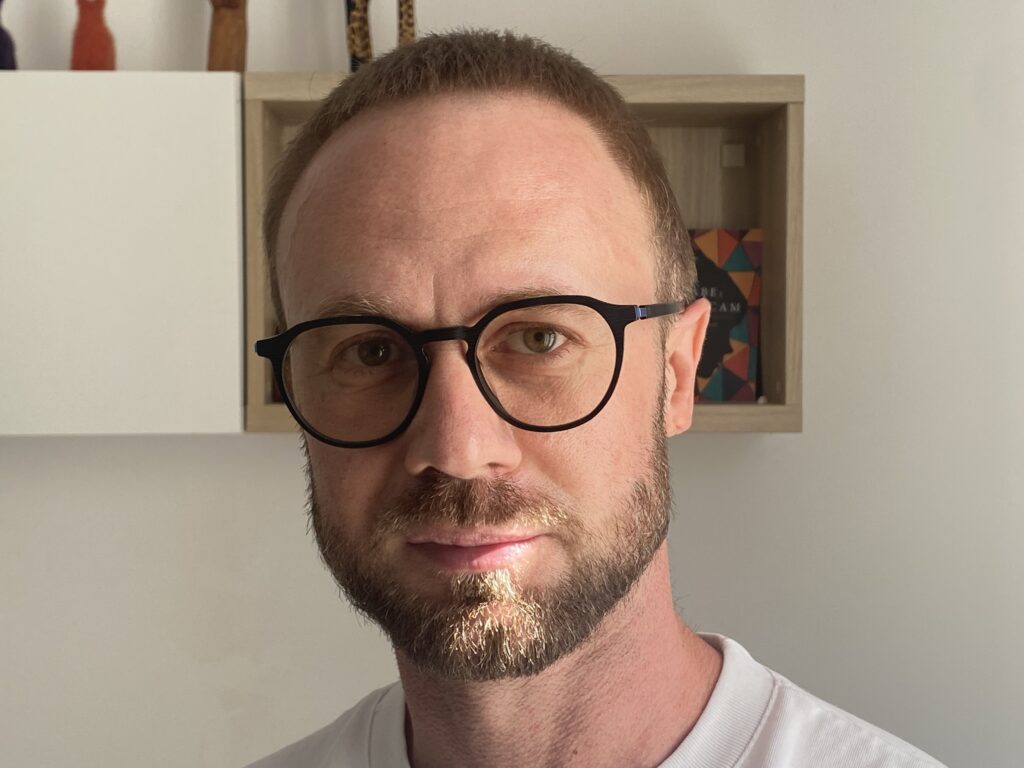
Belarusian journalist, filmmaker and political activist Andrey Gnyot (Андрэй Гнёт), currently under house arrest in Belgrade, Serbia, faces the imminent threat of extradition to Belarus, one of the most repressive countries in the world regarding journalistic and political freedoms. This extradition decision, handed down by the High Court in Belgrade, has sparked widespread concern and calls for its reversal to protect Gnyot from political persecution, torture, and a potentially long prison sentence.

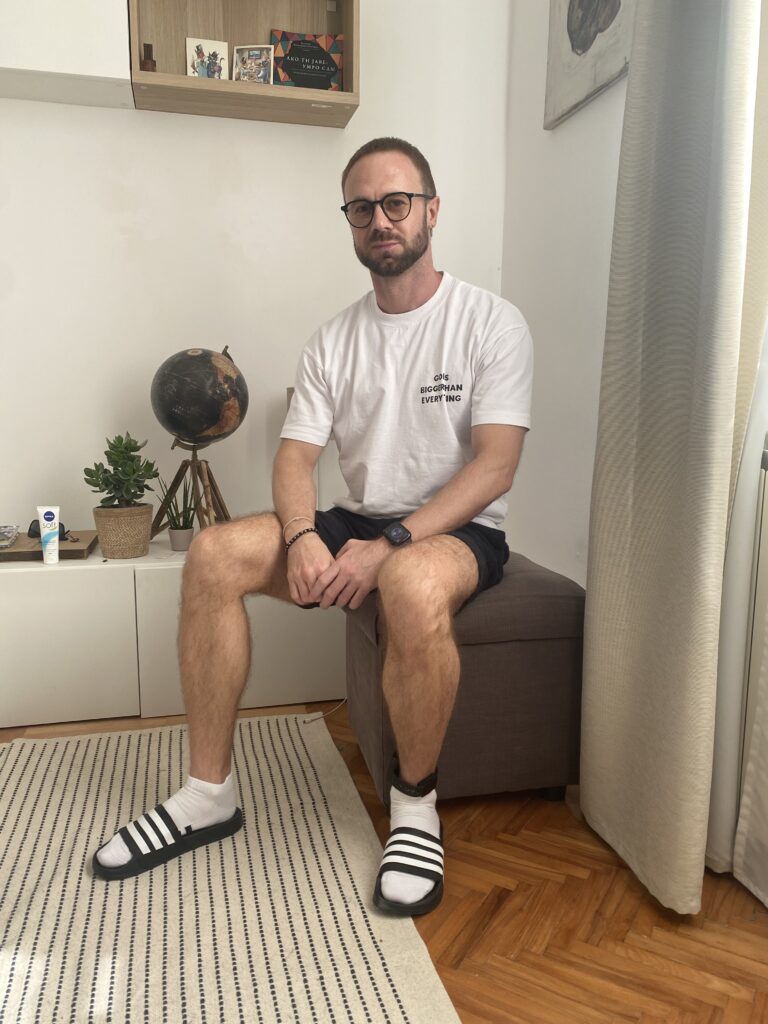
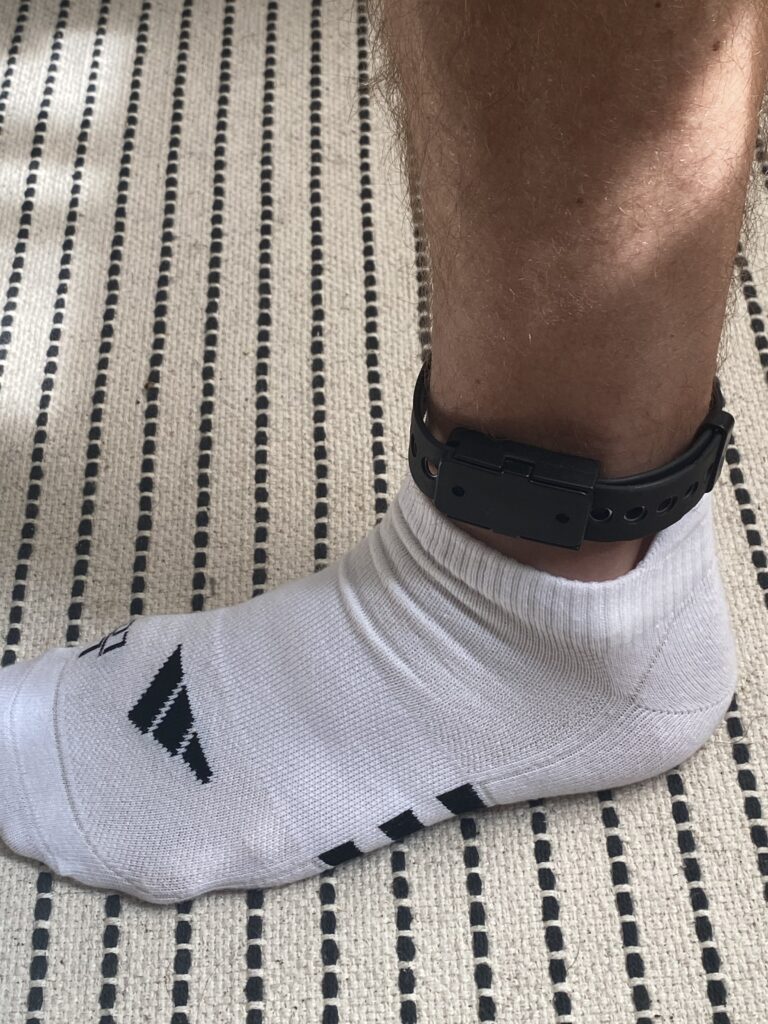
Veran Matić, executive director of the Association of Independent Electronic Media (Asocijacija Nezavisnih Elektronskih Medija – ANEM – http://www.anem.org.rs/), recently visited Gnyot, who had spent seven months in Central Prison in Belgrade, before being placed under house arrest with an electronic ankle bracelet. Matić observed that although Gnyot appears physically well, “the prison has left its mark, and he needs health support, which is not provided systemically.” Gnyot is allowed to leave his apartment for one hour each day for essential activities, but the overall conditions are far from adequate.

Belarus, where the death penalty is still practiced, is notorious for its harsh treatment of journalists, ranking third globally for the number of imprisoned journalists. Over thirty journalists are currently detained under severe conditions. The charges against Gnyot, which include tax evasion, are widely recognized as pretexts for silencing his journalistic and political activism.

Gnyot played a pivotal role in the 2020 protests against the fraudulent elections in Belarus. He co-founded the Free Union of Athletes of Belarus (SOS BY), an organization that demanded an end to violence and called for new, fair elections. Their efforts included a significant letter to the International Olympic Committee (IOC), which resulted in the IOC ceasing funding to the National Olympic Committee of the Republic of Belarus (NOC) and forcing President of Belarus Alexander Lukashenko (Аляксандр Лукашэнка) to resign from his position within the NOC.

Additionally, Gnyot used his journalistic skills to document and share information about the protests, collaborating with various media outlets, including the TV channel Current Time (Настоящее Время – https://www.currenttime.tv/p/6018.html). His contributions have been crucial in bringing international attention to the repressive actions of the Belarusian regime. Veran Matić emphasized, “Andrey Gnyot’s work has been invaluable in shedding light on the injustices in Belarus. The charges against him are clearly motivated by his efforts to expose the truth.”

The journalistic and civil society communities in Serbia, along with international advocates, are urged to support Gnyot and prevent his extradition. “Journalists must be protected from political persecution,” Matić stated, “and it is imperative that we all fight together to ensure Andrey Gnyot’s freedom.” Gnyot’s legal team is preparing an appeal,
hoping the Court of Appeal will consider the evidence and reverse the extradition decision.

The European Convention for the Protection of Human Rights and Fundamental Freedoms, alongside Serbian laws, obligates Serbian authorities to assess the risks of political persecution and irreparable harm should Gnyot be extradited to Belarus. “The international community’s support is crucial in ensuring that Serbian authorities
avoid making a grave mistake with severe consequences for Gnyot,” said Matić.

The fight for “Freedom for Andrey Gnyot” continues, highlighting the ongoing struggle for journalistic and political freedoms in repressive regimes. The global journalistic community and civil society must stand in solidarity to protect Gnyot and uphold the principles of free speech and human rights. As Matić poignantly noted, “The case of Andrey Gnyot is a stark reminder of the dangers faced by journalists worldwide. We
must act now to prevent his extradition and protect his right to freedom.”

Gnyot, was detained in Serbia in October 2023 under an Interpol Red Alert, following an extradition request from Belarus, based on accusations of violating Belarus’s tax legislation. He spent first the time in detention in Belgrade before being transferred to house arrest on 6 June 2024.

The South East Europe Media Organisation (SEEMO) condemns the decision by Serbian authorities to extradite Belarusian journalist Andrey Gnyot to Belarus, where he faces severe political persecution, torture, and possibly even the death penalty. This extradition directly violates the European Convention for the Protection of Human Rights and Fundamental Freedoms, as well as Serbian laws designed to protect individuals from political repression. We urge the Serbian authorities to reconsider this grave decision, protect Gnyot from further harm, and uphold the fundamental principles of press freedom and human rights. SEEMO stands in solidarity with Andrey Gnyot and calls for his immediate release and protection.

You can read previous SEEMO article about this case here:
https://seemo.org/ressources/24-05-2024-serbian-authorities-urged-to-release-belarusian-journalist-andrey-gnyot/

South East Europe Media Organisation (SEEMO) is a regional non-governmental, non profit network of editors, media executives and leading journalists in Southeast, South, East and Central Europe. SEEMO members are in Albania, Armenia, Azerbaijan, Belarus,
Bosnia-Herzegovina, Bulgaria, Croatia, Cyprus, Czech Republic, Estonia, Georgia, Greece, Hungary, Kazakhstan, Kosovo, Kyrgyzstan, Latvia, Lithuania, Malta, Moldova (with the territory of Transdnestria), Montenegro, North Macedonia, Poland, Romania, Russia, Serbia, Slovakia, Slovenia, Tajikistan, Turkmenistan, Türkiye / Turkey, Ukraine and Uzbekistan. Austria, Italy, Vatican and San Marino have a special status in SEEMO. SEEMO has over 3000 individual members, and additional media as corporate members.

#fyp #mediafreedom #seemo #freespeech #southeasteuropemediaorganisation
#ngo #journalist #serbia #belarus #veranmatic #AndreyGnyot #SEEMO #pressfreedom #mediafreedom #freemedia

29.06.2024 – Urgent Appeal to Protect Andrey Gnyot from Extradition to Belarus

June 29, 2024 disabled comments

Belarusian journalist, filmmaker and political activist Andrey Gnyot (Андрэй Гнёт), currently under house arrest in Belgrade, Serbia, faces the imminent threat of extradition to Belarus, one of the most repressive countries in the world regarding journalistic and political freedoms. This extradition decision, handed down by the High Court in Belgrade, has sparked widespread concern and calls for its reversal to protect Gnyot from political persecution, torture, and a potentially long prison sentence.

Veran Matić, executive director of the Association of Independent Electronic Media (Asocijacija Nezavisnih Elektronskih Medija – ANEM – http://www.anem.org.rs/), recently visited Gnyot, who had spent seven months in Central Prison in Belgrade, before being placed under house arrest with an electronic ankle bracelet. Matić observed that although Gnyot appears physically well, “the prison has left its mark, and he needs health support, which is not provided systemically.” Gnyot is allowed to leave his apartment for one hour each day for essential activities, but the overall conditions are far from adequate.

Belarus, where the death penalty is still practiced, is notorious for its harsh treatment of journalists, ranking third globally for the number of imprisoned journalists. Over thirty journalists are currently detained under severe conditions. The charges against Gnyot, which include tax evasion, are widely recognized as pretexts for silencing his journalistic and political activism.

Gnyot played a pivotal role in the 2020 protests against the fraudulent elections in Belarus. He co-founded the Free Union of Athletes of Belarus (SOS BY), an organization that demanded an end to violence and called for new, fair elections. Their efforts included a significant letter to the International Olympic Committee (IOC), which resulted in the IOC ceasing funding to the National Olympic Committee of the Republic of Belarus (NOC) and forcing President of Belarus Alexander Lukashenko (Аляксандр Лукашэнка) to resign from his position within the NOC.

Additionally, Gnyot used his journalistic skills to document and share information about the protests, collaborating with various media outlets, including the TV channel Current Time (Настоящее Время – https://www.currenttime.tv/p/6018.html). His contributions have been crucial in bringing international attention to the repressive actions of the Belarusian regime. Veran Matić emphasized, “Andrey Gnyot’s work has been invaluable in shedding light on the injustices in Belarus. The charges against him are clearly motivated by his efforts to expose the truth.”

The journalistic and civil society communities in Serbia, along with international advocates, are urged to support Gnyot and prevent his extradition. “Journalists must be protected from political persecution,” Matić stated, “and it is imperative that we all fight together to ensure Andrey Gnyot’s freedom.” Gnyot’s legal team is preparing an appeal, hoping the Court of Appeal will consider the evidence and reverse the extradition decision.

The European Convention for the Protection of Human Rights and Fundamental Freedoms, alongside Serbian laws, obligates Serbian authorities to assess the risks of political persecution and irreparable harm should Gnyot be extradited to Belarus. “The international community’s support is crucial in ensuring that Serbian authorities avoid making a grave mistake with severe consequences for Gnyot,” said Matić.

The fight for “Freedom for Andrey Gnyot” continues, highlighting the ongoing struggle for journalistic and political freedoms in repressive regimes. The global journalistic community and civil society must stand in solidarity to protect Gnyot and uphold the principles of free speech and human rights. As Matić poignantly noted, “The case of Andrey Gnyot is a stark reminder of the dangers faced by journalists worldwide. We must act now to prevent his extradition and protect his right to freedom.”

Gnyot, was detained in Serbia in October 2023 under an Interpol Red Alert, following an extradition request from Belarus, based on accusations of violating Belarus’s tax legislation. He spent first the time in detention in Belgrade before being transferred to house arrest on 6 June 2024.

The South East Europe Media Organisation (SEEMO) condemns the decision by the to extradite Belarusian journalist Andrey Gnyot to Belarus, where he faces severe political persecution, torture, and possibly even the death penalty. This extradition directly violates the European Convention for the Protection of Human Rights and Fundamental Freedoms, as well as Serbian laws designed to protect individuals from political repression. We urge the Serbian authorities to reconsider this grave decision, protect Gnyot from further harm, and uphold the fundamental principles of press freedom and human rights. SEEMO stands in solidarity with Andrey Gnyot and calls for his immediate release and protection.

You can read previous SEEMO article about this case here: https://seemo.org/ressources/24-05-2024-serbian-authorities-urged-to-release-belarusian-journalist-andrey-gnyot/

South East Europe Media Organisation (SEEMO) is a regional non-governmental, non profit network of editors, media executives and leading journalists in Southeast, South, East and Central Europe. SEEMO members are in Albania, Armenia, Azerbaijan, Belarus, Bosnia-Herzegovina, Bulgaria, Croatia, Cyprus, Czech Republic, Estonia, Georgia, Greece, Hungary, Kazakhstan, Kosovo, Kyrgyzstan, Latvia, Lithuania, Malta, Moldova (with the territory of Transdnestria), Montenegro, North Macedonia, Poland, Romania, Russia, Serbia, Slovakia, Slovenia, Tajikistan, Turkmenistan, Türkiye / Turkey, Ukraine and Uzbekistan. Austria, Italy, Vatican and San Marino have a special status in SEEMO. SEEMO has over 3000 individual members, and additional media as corporate members.

#fyp #mediafreedom #seemo #freespeech #southeasteuropemediaorganisation #ngo #journalist #serbia #belarus #veranmatic #AndreyGnyot #SEEMO #pressfreedom #mediafreedom #freemedia

29.06.2024 – Russia: Evan Gershkovich’s Espionage Trial, No Accreditation for Schneider from ORF and EU Media Ban

June 29, 2024 disabled comments

Evan Gershkovich’s Espionage Trial
The espionage trial of American journalist Evan Gershkovich has begun in Russia on 26 June 2024, marking the first case against a Western journalist since the Cold War. Gershkovich, born in October 1991 in United States of America, reporter for the Wall Street Journal (https://www.wsj.com/), was apprehended in Yekaterinburg (Екатеринбург), Russia, in March 2023. After spending 15 months in Lefortovo, a high-security prison in Moscow (Москва), Russia, he has been relocated back to Yekaterinburg, about 1,500 kilometers east towards the Ural mountains, for his trial’s commencement, which is being conducted behind closed doors.

Before the hearing, observers briefly saw Gershkovich, who appeared with a shaved head but seemed in good spirits. Several weeks ago, court documents revealed that prosecutors accused Gershkovich of gathering “secret information” at a defense plant under Central Intelligence Agency (CIA) instructions, a charge that could lead to a 20-year prison sentence.

The United States (U.S.) government and international experts argue that Russian authorities are leveraging this case, along with other Americans detained in Russia on dubious charges, to coerce Western countries into releasing prisoners Moscow deems valuable.

Earlier this year, President of Russia Vladimir Vladimirovich Putin (Влади́мир Влади́мирович Пу́тин) suggested in an interview with Tucker Carlson that he might consider a prisoner exchange involving Gershkovich for Vadim Krasikov (Вадим Красиков), a convicted assassin serving a life sentence in Germany. Russia’s Deputy Foreign Minister recently stated that they are waiting for a response from the U.S. regarding proposals for a swap.

The next hearing in Gershkovich’s case is scheduled for 13 August 2024.

Schneider case

On Wednesday 26 June 2024, the Russian Foreign Ministry withdrew the accreditation of Carola Schneider, head of the Austrian public radio and TV – Österreichischer Rundfunk – Austrian national public broadcaster (ORF) office in Moscow. Schneider must leave the country. Since 2011 she has with one interruption reported from Moscow. She was head the ORF office in Moscow from 2011 to 2021 and again since autumn last year. Following the expulsion from Russia of Maria Knips-Witting from ORF just over two weeks ago, there are no longer any ORF journalists represented in Russia. The officials in Russia first sent back to Austria Maria Knips-Witting – her accreditation was withdrawn. Both cases happen as reaction to the case of the TASS correspondent in Austria. Austria considered the TASS correspondent as a spy, he lost his accreditation in Austria and an extension of his residence permit was denied. According to Russian officials, the Austrian correspondent would be allowed to work in Russia again if Vienna will allow the Tass representative to work from Austria.

Russia’s Ban on EU Media

In a retaliatory move against the European Union’s sanctions, Russia has banned 81 media outlets from EU countries. This action follows the EU’s decision to ban four Russian state media organizations as part of its sanctions package.

The banned outlets span multiple countries, impacting news agencies, television channels, and newspapers. Here is the list of banned media:

Austria

1. Public radio and television ORF (orf.at);

2. Private Mediengruppe Österreich with oe24.at;


Belgium

3. Le Vif Journal (levif.be);

4. Knack Journal (knack.be);


Bulgaria

5. Mediapool information portal (mediapool.bg);

6. Newspaper 24 часа – 24 Chasa (24chasa.bg);


Cyprus

7. Politis newspaper (politis.com.cy);

8. Cyprus Times news portal (cyprustimes.com);

9. Cyprus Mail newspaper (Cyprus-mail.com);


Czech Republic

10. Ceska Televize Television (ceskatelevize.cz);

11. Seznam Zpravy portal (seznamzpravy.cz);


Denmark

12. Berlingske Journal (berlingske.dk);

13. Information Portal (information.dk);


Estonia

14. Information portal propastop.org;

15. The national broadcasting corporation ERR (err.ee);

16. Delfi portal (delfi.ee);


Finland

17. Ilta-Sanomat newspaper (is. fi);

18. Iltalehti Newspaper (iltalehti.fi);

19. Helsingin Sanomat newspaper (hs. fi);

20. Radio and television company Yleisradio (yle.fi);


France

21. LCI Television (tf1info.fr);

22. Le Monde newspaper (lemonde.fr);

23. La Croix newspaper (la-croix.com);

24. Liberation newspaper (liberation.fr);

25. Lexpress Journal (lexpress.fr);

26. Radio France radio station (radiofrance.fr);

27. Agence France-Presse news agency (afp.com, afpforum.com);

28. CNews Television (cnews.fr);

29. Arte Television (arte.tv);


Germany

30. Spiegel (spiegel.de);

31. Weekly Die Zeit (zeit.de);

32. Frankfurter Allgemeine Zeitung- FAZ (faz.net);


Greece

33. Public Greek Radio and Television EPT (ert.gr, ertnews.gr);

34. Skai media holding (skai.gr);

35. Mega TV Channel (Megatv.com);

36. Proto Thema newspaper (noweprotothema.gr);


Hungary

37. Information portal 444.hu;


Ireland

38. National broadcasting company RTE (rte.ie);

39. The Irish Times newspaper (irishtimes.com);

40. The Irish Independent newspaper (independent.ie);


Italy

41. National TV channel LA7 (la7.it);

42. RAI – Public radio and television (rai.it);

43. La Stampa newspaper (lastampa.it);

44. La Repubblica newspaper (repubblica.it);


Latvia

45. Latvian Television and Lithuanian Radio 4 (lsm.lv);

46. apollo.lv portal;

47. Internet television tvnet.lv;

48. Diena portal (diena.lv);


Lithuania

49. LRT portal (lrt.lt);

50. Portal 15min.lt (15min.lt);

51. Portal lrytas.lt (lrytas.lt);


Malta

52. Public television Television Malta TVM (tvmnews.mt);

53. Times of Malta newspaper (timesofmalta.com);

54. The Malta Independent newspaper (independent.com.mt);

55. Malta Today newspaper (maltatoday.com.mt);


Netherlands

56. Nos radio and television company (nos.nl);

57. Nrc newspaper (nrc.nl);

58. Algemeen Dagblad newspaper (ad.nl);


Poland

59. Belsat Television, including its Polish online editorial office (belsat.eu, belsat.pl);

60. Portal of the newspaper Новая Польша (novayapolsha.eu, novayapolsha.com, novayapolsha. pl);


Portugal

61. RTP Internacional TV channel (rtp. pt);

62. Publico newspaper (publico.pt);

63. Expresso newspaper (expresso. pt);

64. Analytical and information project Observador (observador.pt);


Romania

65. Pro TV International Television (stirileprov.ro, protv.ro);

66. Digi24 Television (digi24.ro);

67. B1TV Television (b1tv.ro);


Slovakia

68. SME newspaper (sme.sk);

69. Dennik N portal (dennikn.sk);


Slovenia

70. Nova24 portal (Nova24.si, Nova24tv.si);

71. Democratia portal (Demokracija.si, Democratja.eu);


Spain

72. El Mundo newspaper (elmundo.es);

73. El Pais newspaper (elpais.com);

74. EFE news agency (efe.com);

75. Spain’s national television, Televisión Española (rtve.es);


Sweden

76. Television SVT (svt.se);

77. Sveriges Radio radio station (sverigesradio.se);


Pan-European media

78. Agence Europe (agenceurope.eu);

79. Politico (www.politico.eu, www.politico.com);

80. Svoboda Satellite Package project (rsf.org);

81. Euobserver portal (Euobserver.com).

This media ban list, arranged in alphabetical order by country, includes leading media, demonstrating the extensive reach of Russia’s countermeasures in its ongoing media and information war with the EU.

The Russian Ministry of Foreign Affairs allegedly stated that this ban was a response to the EU’s actions, accusing EU member states of spreading false information about “Russia’s military operations”, what means Russian aggression on Ukraine.The Ministry hinted that if the EU lifts its restrictions on Russian media, Russia might reconsider its bans on the mentioned media outlets. The inclusion of Belsat TV and its Polish website in the ban highlights the political nature of these decisions, as Belsat has already been labeled as “extremist” in Belarus and blocked in Russia.

Despite the ban, Russians and Belarusians continue to access Belsat content via VPNs and social media platforms like Facebook, Telegram, and YouTube.

The South East Europe Media Organisation (SEEMO) condemns the Russian government’s decision to block access to 81 media outlets from the European Union. This action is a grave infringement on press freedom and an attempt to suppress independent journalism. SEEMO stands in solidarity with the affected media organizations and calls Russia for the immediate reversal of this unjust ban, emphasizing the importance of free and open access to information for all citizens.

SEEMO is also alarmed about the information that Russia withdrew the accreditation of Carola Schneider, head of the ORF correspondent office in Moscow.

Finally SEEMO is monitoring the case of Evan Gershkovich, a case against all international rules and a clear attack on press freedom.

The South East Europe Media Organisation (SEEMO) is a regional non-governmental, non profit network of editors, media executives and leading journalists in Southeast, South, East and Central Europe. SEEMO members are in Albania, Armenia, Azerbaijan, Belarus, Bosnia-Herzegovina, Bulgaria, Croatia, Cyprus, Czech Republic, Estonia, Georgia, Greece, Hungary, Kazakhstan, Kosovo, Kyrgyzstan, Latvia, Lithuania, Malta, Moldova (with the territory of Transdnestria), Montenegro, North Macedonia, Poland, Romania, Russia, Serbia, Slovakia, Slovenia, Tajikistan, Turkmenistan, Türkiye / Turkey, Ukraine and Uzbekistan. Austria, Italy, Vatican and San Marino have a special status in SEEMO. SEEMO has over 3000 individual members, and additional media as corporate members.

#fyp #mediafreedom #seemo #freespeech #southeasteuropemediaorganisation #ngo #journalist #russia #mediaban #evangershkovich #SEEMO #pressfreedom #mediafreedom #freemedia
26.06.2024 – Kazakhstan’s New Media Law

June 26, 2024 disabled comments

On 19 June 2024, President of Kazakhstan Kassym-Jomart Tokaev (Қасым-Жомарт Тоқаев) signed a new mass media law in Kazakhstan that replaces previous regulations on media and television and radio broadcasting. Its vague and restrictive provisions pose significant challenges to both local and foreign journalists.

There are serious concerns about the law’s restrictive elements. Some controversial provisions were removed during the drafting process, but several problematic aspects remain.

One significant issue is the requirement for online publications to register with a government body and maintain a physical presence in Kazakhstan. This broadened definition of mass media grants the government extensive authority to interfere with and potentially suspend foreign journalists’ activities if their content includes “propaganda of extremism.” Kazakhstan’s vague definition of “extremism” has previously been used to suppress legitimate expression, raising concerns about potential misuse under the new law.

Additionally, the law stipulates that foreign media and journalists must obtain “appropriate accreditation” to operate, which could be manipulated by the government to restrict journalists and media outlets critical of the authorities.

The law also empowers authorities to conduct “mass media monitoring” to ensure compliance with national legislation and uphold undefined “national, cultural, and family values.” This provision could lead to increased self-censorship among journalists, restricting their ability to report freely.

Kazakhstan’s new media law poses a substantial threat to freedom of expression and media freedom. It is imperative for Kazakhstan’s international partners to urge the government to respect free speech and modify the law to meet international standards.

Positive changes connected to the new legislation are that the law shortens the period for filing claims against media for inaccurate information from three years to one. It also reduces the response time for “information owners” to reply to media inquiries from seven working days to five. Additionally, the law introduces a “special status of a journalist” to provide greater legal protections for journalists.

The South East Europe Media Organisation (SEEMO) condemns negative changes in the Kazakhstan’s new media law, which imposes excessive registration requirements on online publications and grants the government sweeping powers to interfere with and suspend the activities of foreign journalists under the pretext of preventing “extremism.” This law poses a significant threat to media freedom and freedom of expression, fostering self-censorship and enabling the government to silence critical voices. SEEMO calls on Kazakhstan’s authorities to revise the law in line with international standards and uphold their commitments to protecting free speech and press freedom.

The South East Europe Media Organisation (SEEMO) is a regional non-governmental, non profit network of editors, media executives and leading journalists in Southeast, South, East and Central Europe. SEEMO members are in Albania, Armenia, Azerbaijan, Belarus, Bosnia-Herzegovina, Bulgaria, Croatia, Cyprus, Czech Republic, Estonia, Georgia, Greece, Hungary, Kazakhstan, Kosovo, Kyrgyzstan, Latvia, Lithuania, Malta, Moldova (with the territory of Transdnestria), Montenegro, North Macedonia, Poland, Romania, Russia, Serbia, Slovakia, Slovenia, Tajikistan, Turkmenistan, Türkiye / Turkey, Ukraine and Uzbekistan. Austria, Italy, Vatican and San Marino have a special status in SEEMO. SEEMO has over 3000 individual members, and additional media as corporate members.

#fyp #mediafreedom #seemo #freespeech #southeasteuropemediaorganisation #ngo #journalist #kazakhstan #SEEMO #pressfreedom #mediafreedom #freemedia
24.06.2024 – Farida Kurbangaleyeva Added to Russia’s Terrorist and Extremist List

June 24, 2024 disabled comments

Former Kazan journalist and TV presenter Farida Kurbangaleyeva (Фәридә Рәшит кызы Корбангалиева / Фэридэ Рэшит кызы Корбангалиева) has been added to the Russian government’s list of terrorists and extremists on unspecified charges. Kurbangaleyeva, now based in Prague, Czech Republic, announced on social media that she was was included in the Rosfinmonitoring (Федеральная служба по финансовому мониторингу Российской Федерации – Росфинмониторинг ) register of terrorists and extremist on 19 June 2024. On 20 June 2024, she was put on the wanted list by the Russian Ministry of Internal Affairs under Article 205.2 of the Criminal Code of the Russian Federation.

In a Facebook post, Kurbangaleyeva mentioned that she had been listed without any explanation, although she believed it was due to her open criticism of Russia’s actions in Ukraine, including the criminal war, subjugation of people, destruction of identities, and suppression of dissent. She emphasized that this status would not deter her from continuing her work and speaking out against these actions.

You can see the link to her Facebook post here: https://www.facebook.com/share/C8KRMVgJYoXmafbf/?mibextid=WC7FNe

Kurbangaleyeva, born 27 August 1979 in Kazan (Казань), Tatarstan, Russia, began her career on regional television in Tatarstan before moving to Moscow, Russia, in 2007. She became a well-known presenter on the “Вести” (News) program on the “Russia 1” channel (https://smotrim.ru/live/63251).

Following the annexation of Crimea in 2014, Kurbangaleyeva left “Russia 1” and relocated to the Czech Republic with her family. From 2018 to 2021, she worked with the “Current Time” channel (https://www.currenttime.tv/p/6018.html). Currently, she runs a YouTube channel (https://www.youtube.com/@farida38173) where she interviews various personalities.

Despite allegedly being under surveillance by Russian authorities, Kurbangaleyeva remains committed to her mission. She continues to highlight the oppressive actions of the Russian government, ensuring that her voice and the voices of those she interviews are heard.

The South East Europe Media Organisation (SEEMO) stands in solidarity with Farida Kurbangaleyeva, condemning her unjust listing and calling for her protection against political persecution. Journalists must be free to report and express their views without fear of retribution.

The South East Europe Media Organisation (SEEMO) is a regional non-governmental, non profit network of editors, media executives and leading journalists in Southeast, South, East and Central Europe. SEEMO members are in Albania, Armenia, Azerbaijan, Belarus, Bosnia-Herzegovina, Bulgaria, Croatia, Cyprus, Czech Republic, Estonia, Georgia, Greece, Hungary, Kazakhstan, Kosovo, Kyrgyzstan, Latvia, Lithuania, Malta, Moldova (with the territory of Transdnestria), Montenegro, North Macedonia, Poland, Romania, Russia, Serbia, Slovakia, Slovenia, Tajikistan, Turkmenistan, Türkiye / Turkey, Ukraine and Uzbekistan. Austria, Italy, Vatican and San Marino have a special status in SEEMO. SEEMO has over 3000 individual members, and additional media as corporate members.

#fyp #mediafreedom #seemo #freespeech #southeasteuropemediaorganisation #ngo #journalist #russia #tatarstan #FaridaKurbangaleyeva #SEEMO #pressfreedom #mediafreedom #freemedia
21.06.2024 – News Outlets in Hungary Barred from Government Press Conference

June 21, 2024 disabled comments

On 13 June 2024, online news outlets Gulyáságyú Media (https://gulyasagyumedia.hu/) and Magyar Hang (https://hang.hu/) were allegedly denied access to a press conference held by the Prime Minister’s Office in Budapest, Hungary. Despite registering on time, all according to the Government Information Center’s requirements, they were not provided with any reason for their exclusion. As they could not enter, Gulyáságyú Média managed to ask a question they wanted the responsible governmental representative on the street, in front of the building. Balázs Gulyás, the editor-in-chief of Gulyáságyú Media, got a short answer from the governmental representative connected to the results of the last European Parliament election.

This incident is part of a broader pattern where Hungarian media critical of the government consistently face obstacles in accessing official press conferences or receiving responses to their inquiries. In the past years the authorities have allegedly systematically boycotted Magyar Hang and Gulyáságyú Media. According to this media, they always registered for the events on time, in accordance with the requirements of the Government Information Center.

Last December, representatives from Magyar Hang, Gulyáságyú Media, and Media1 (https://media1.hu/) were barred from a press conference where they had hoped to question Prime Minister of Hungary Viktor Orbán. Even with proper registration, officials allegedly prevented journalists from entering.

Other independent media, such as Szabad Európa (https://www.szabadeuropa.hu/) and Direkt36 (https://www.direkt36.hu/en/), have faced similar treatment. The government’s dismissive response to inquiries about these exclusions underscores the ongoing challenges faced by critical journalists in Hungary.

The South East Europe Media Organisation (SEEMO) condemns the exclusion of critical media from the press conference on 13 June 2024. This systematic denial of access to critical media outlets is a violation of press freedom and an unacceptable form of discrimination against journalists. SEEMO calls on Hungarian authorities to uphold democratic principles by ensuring equal access for all media outlets and to cease discriminatory practices that undermine the fundamental right to free and independent journalism.

South East Europe Media Organisation (SEEMO) is a regional non-governmental, non profit network of editors, media executives and leading journalists in Southeast, South, East and Central Europe. SEEMO members are in Albania, Armenia, Azerbaijan, Belarus, Bosnia-Herzegovina, Bulgaria, Croatia, Cyprus, Czech Republic, Estonia, Georgia, Greece, Hungary, Kazakhstan, Kosovo, Kyrgyzstan, Latvia, Lithuania, Malta, Moldova (with the territory of Transdnestria), Montenegro, North Macedonia, Poland, Romania, Russia, Serbia, Slovakia, Slovenia, Tajikistan, Turkmenistan, Türkiye / Turkey, Ukraine and Uzbekistan. Austria, Italy, Vatican and San Marino have a special status in SEEMO. SEEMO has over 3000 individual members, and additional media as corporate members.

#fyp #mediafreedom #seemo #freespeech #southeasteuropemediaorganisation #ngo #journalist #hungary #MagyarHang #GulyáságyúMedia #SEEMO #pressfreedom #mediafreedom #freemedia @MagyarHang
20.06.2024 – Journalist Domagoj Margetić Attacked at Home in Zagreb

June 20, 2024 disabled comments

On 16 June 2024, journalist Domagoj Margetić, born 9 January 1974, was brutally attacked at his home in central Zagreb, Croatia. According to Margetić, the assailant breached the security of his residence by jumping over the fence and gaining entry through a window.

In a Facebook post, Margetić described the terrifying incident where the assailant allegedly forcefully entered his home, assaulted him, and issued death threats. The journalist explained that the attacker allegedly had been monitoring his activities for some time, carefully observing his movements in the days leading up to the attack. On the morning of the assault, despite Margetić not responding to the insistent ringing of his intercom, the attacker knew he was inside. The perpetrator was subsequently detained.

You can find the Facebook post link here: https://www.facebook.com/share/p/G8SMXK4oLnbx21z4/?mibextid=WC7FNe

This incident is not an isolated case. Margetić has faced numerous threats and attacks in the past.

The assailant was apprehended shortly before noon on the day of the attack.

Domagoj has a YouTube channel called OFF (https://www.youtube.com/c/OFFpress). OFF is andocumentary journalism project by journalist DomagojMargetić.

The South East Europe Media Organisation (SEEMO) condemns the recent physical assault on journalist Domagoj Margetić. SEEMO calls on the authorities to conduct a thorough investigation and ensure the perpetrator is held accountable. SEEMO stands in solidarity with Margetić and will continue to advocate for the protection of journalists and the principles of free and independent journalism.

South East Europe Media Organisation (SEEMO) is a regional non-governmental, non profit network of editors, media executives and leading journalists in Southeast, South, East and Central Europe. SEEMO members are in Albania, Armenia, Azerbaijan, Belarus, Bosnia-Herzegovina, Bulgaria, Croatia, Cyprus, Czech Republic, Estonia, Georgia, Greece, Hungary, Kazakhstan, Kosovo, Kyrgyzstan, Latvia, Lithuania, Malta, Moldova (with the territory of Transdnestria), Montenegro, North Macedonia, Poland, Romania, Russia, Serbia, Slovakia, Slovenia, Tajikistan, Turkmenistan, Türkiye / Turkey, Ukraine and Uzbekistan. Austria, Italy, Vatican and San Marino have a special status in SEEMO. SEEMO has over 3000 individual members, and additional media as corporate members.

#fyp #mediafreedom #seemo #freespeech#southeasteuropemediaorganisation #ngo #journalist #croatia #domagojmargetic #OFF #journalistattacked#SEEMO #pressfreedom #mediafreedom #freemedia @DomagojMargetic